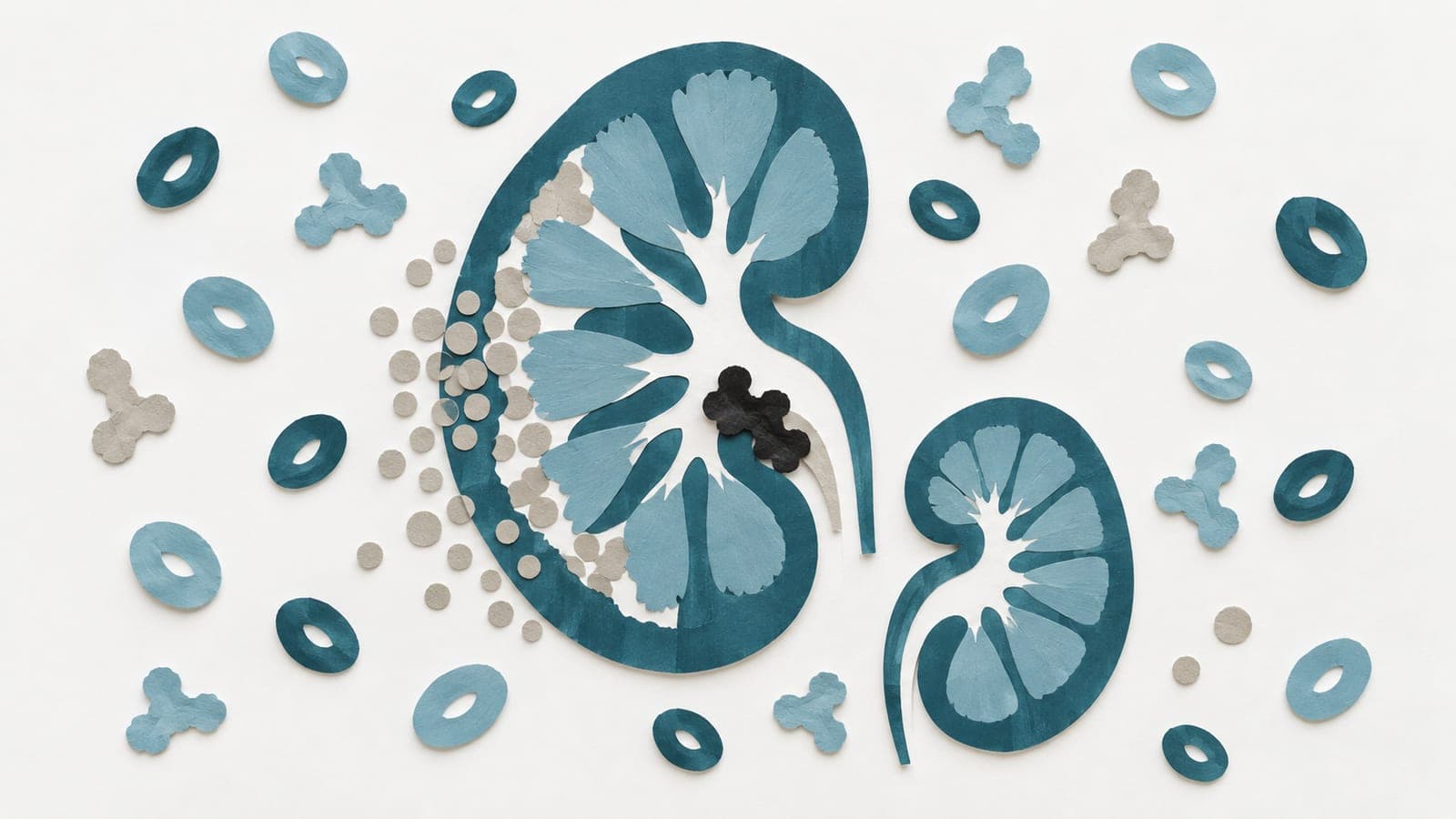
Age-linked protein patterns differ among organs in mice
Models built from protein measurements in eight mouse organs tracked age in independent groups but transferred poorly from one organ to another.
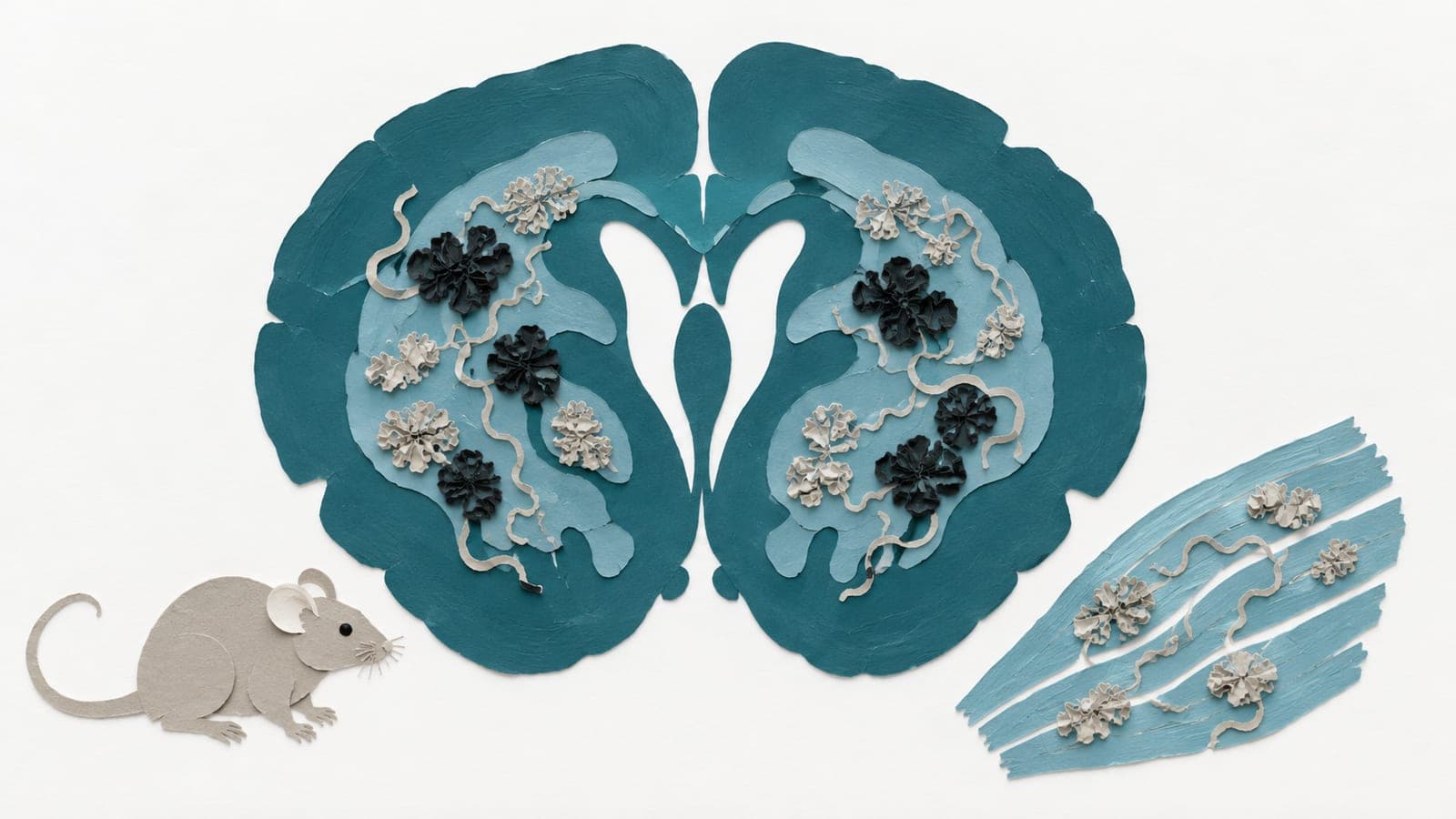
Independent replication
Limit: Age-linked molecular scores do not measure organ function or lifespan
Edited by Boris Djordjevic · AgingResearch.News
In mice, researchers developed aging clocks—models that use protein amounts to track age—for eight organs. The clocks retained links with age in independent groups of mice. But they transferred poorly between organs in the same mice, pointing to mostly organ-specific patterns.
Applying the protein-based clocks to RNA, which carries gene instructions, also yielded age-linked scores, with stronger links in matching organs. In paired comparisons, protein scores tracked age more strongly than RNA scores in brain and skeletal muscle. Kidney, liver and lung showed no statistically detectable difference. The authors suggested that processes occurring after RNA is made contributed more to protein aging patterns in brain and muscle.
Why it matters
Changes in protein amounts are one aspect of tissue aging. Comparing them with RNA may help researchers investigate how those changes arise.
Caveats
Age-linked molecular scores do not by themselves measure organ function or lifespan. The results came from mice, and the bioRxiv preprint has not been peer-reviewed.
- Proteomics
- Organ-specific proteomic aging clock
- Protein-derived RNA scores
- Proteomic aging scores
- Relative niche abundance
- Mice
The paper
Proteomic clocks reveal organ-specific signatures of aging in mice
Rice University; The University of Texas Health Science Center at Houston
bioRxiv, Oct 29, 2026, Open access, CC BY, Preprint, not peer-reviewed