Gene activity linked to preserved thinking skills in mice
Researchers linked a 271-gene activity pattern to cognitive performance independently of age, including genes involved in building and moving tiny, hairlike cell projections.
Limit: Cilia genes were selected and evaluated using the same cognitive outcome, biasing association strength
Edited by Boris Djordjevic · AgingResearch.News
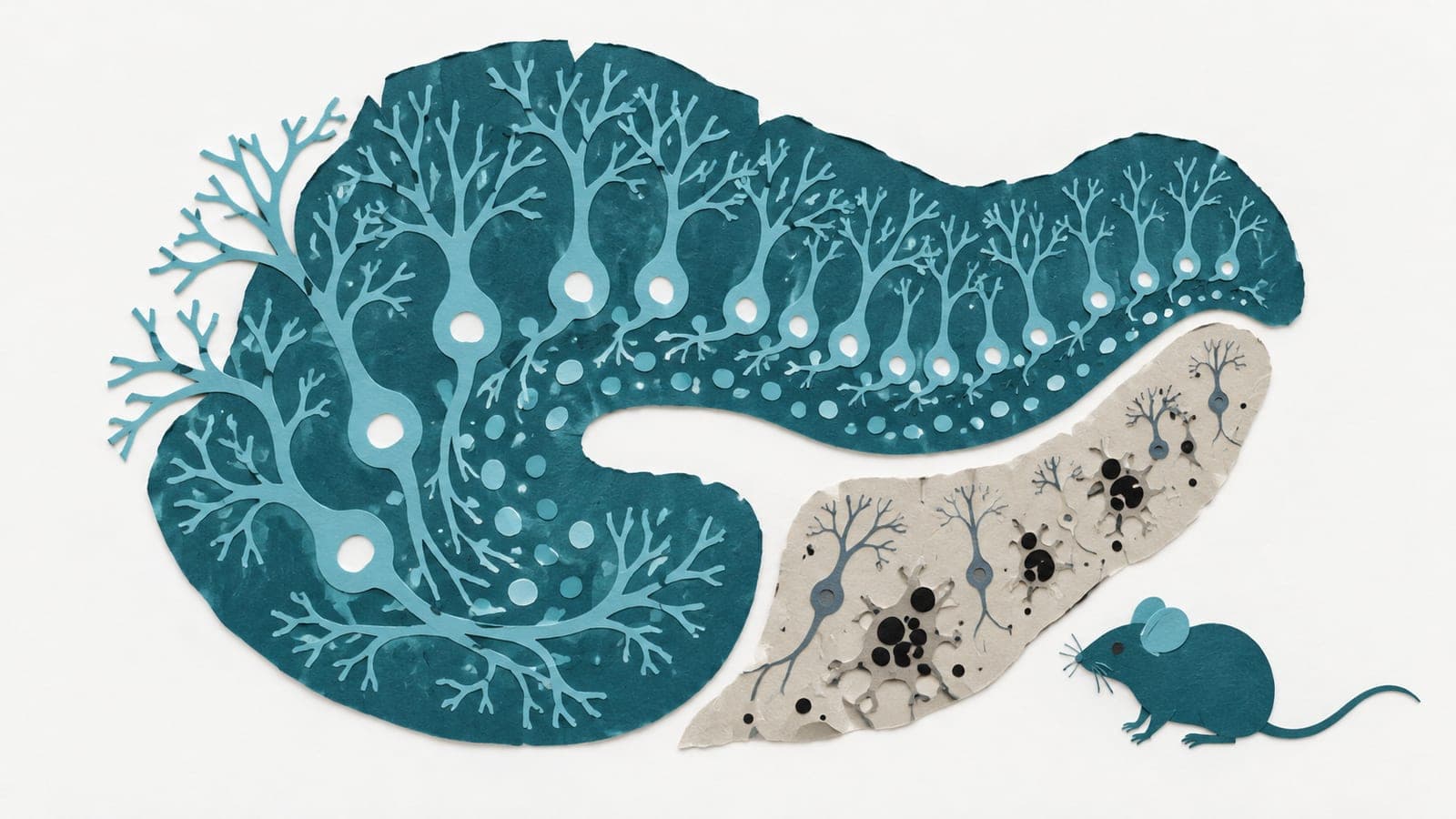
In C57BL/6 mice, researchers examined links between cognitive performance and gene activity in the hippocampus, a brain region involved in learning and memory. This animal study combined automated home-cage behavioral data from 906 mice across 129 standardized studies with measurements of gene activity.
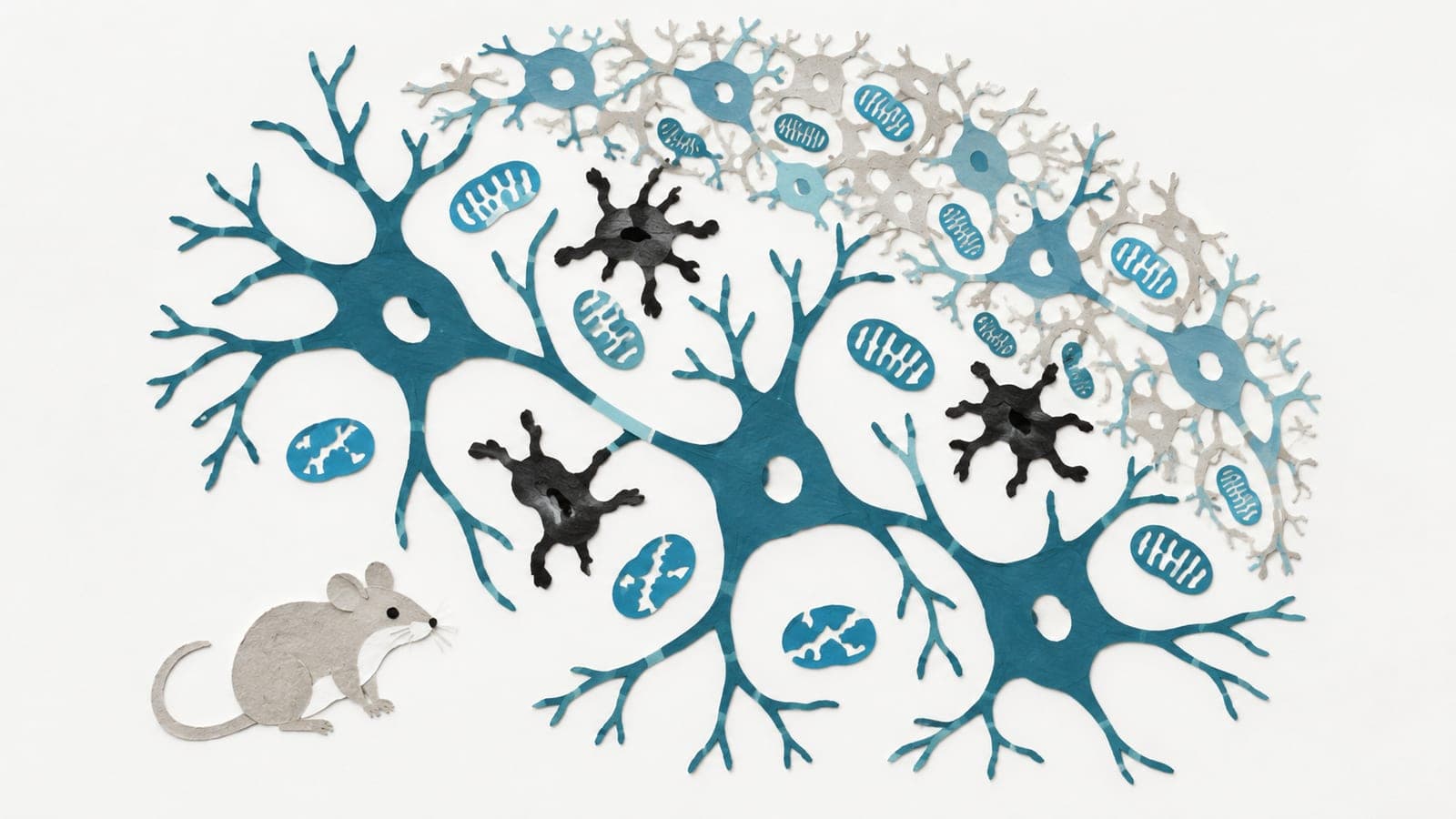
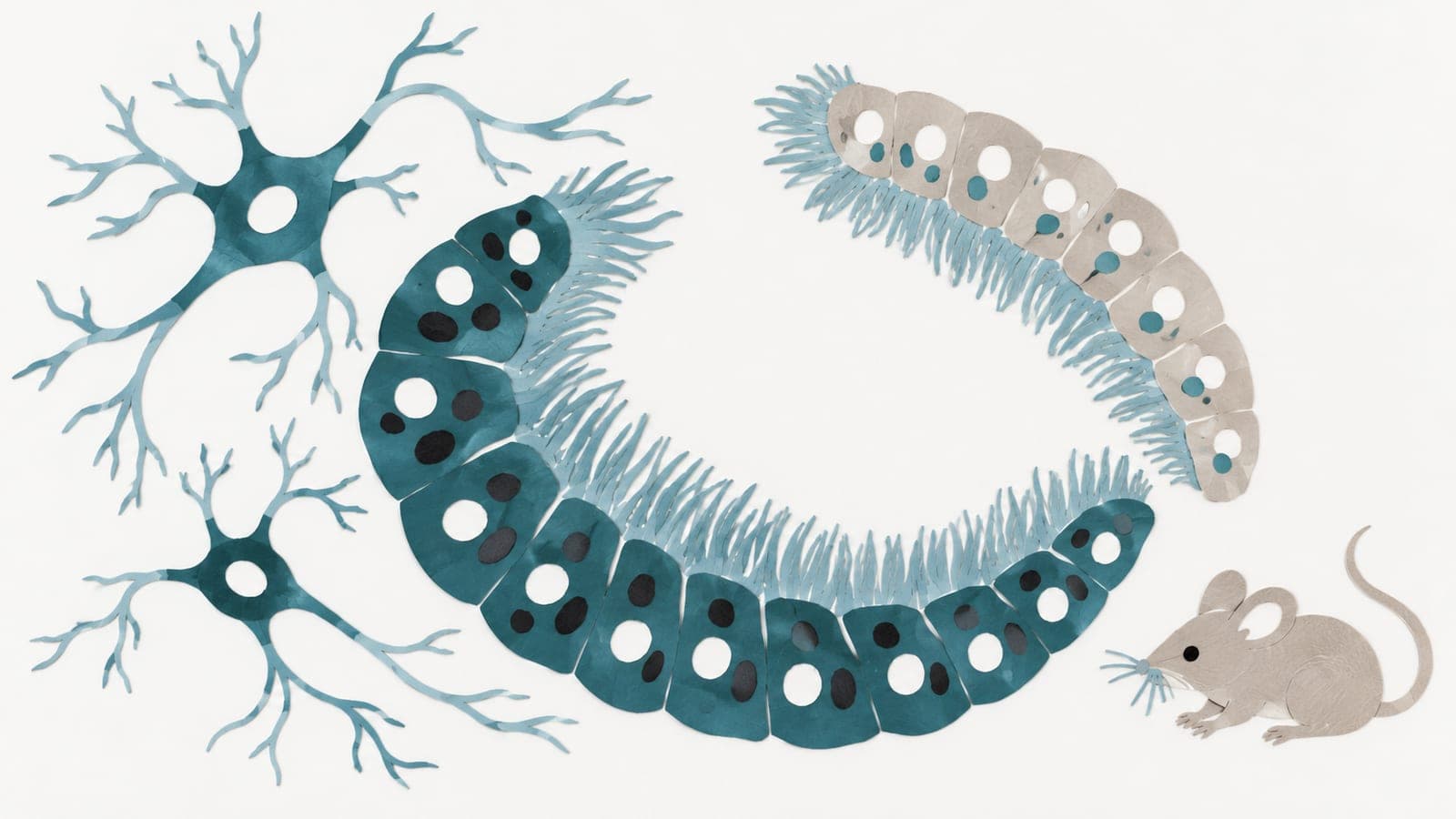
A 271-gene pattern was linked to cognitive state independently of age. Preserved cognition was associated with higher activity of genes involved in cilia, tiny hairlike cell projections, and in the structure of nerve cells and their connections. A 38-gene cilia group remained associated with resilience after accounting for age. Its activity mapped mainly to ependymal cells, which line the brain’s fluid-filled spaces. Further analyses suggested the signal reflected gene activity rather than differences in how many of these cells samples contained.
Why it matters
Preserved cognition despite age-related physical decline raises questions about what distinguishes resilience from chronological age. The work offers a candidate molecular program for future tests of resilience across the lifespan.
Caveats
The cilia genes were selected using the same cognitive outcome they were then tested against, so the association’s strength was not an unbiased estimate. This mouse preprint has not been peer-reviewed, and the associations do not show that the gene activity caused resilience.
- Immune response
- Cilium
- 271-gene cognitive-state transcriptional signature
- 38-gene cilia structural module score
- Ependymal and choroid plexus marker panels
- Mice
The paper
University of Oklahoma Health Sciences Center
bioRxiv, Oct 23, 2026, Open access, Preprint, not peer-reviewed