Genetic study links fat-handling proteins to blood pressure
A genetic analysis of 373,882 adults under 60 linked higher predicted levels of four fat-handling proteins to lower blood pressure.
Our read
Mechanisms- Studied:
- Preprint: genetic association study of 373,882 individuals aged less than 60 years (Dose-response)
- What changed:
- Mean arterial pressure was lower with genetic upregulation of circulating lipoprotein lipase
- The catch:
- Blood pressure could affect plasma proteins, so the causal direction may be reversed
- In the record:
- The 9th paper on LPL with results in people; 79 on record in all.
Editor of record: Boris Djordjevic · AgingResearch.News
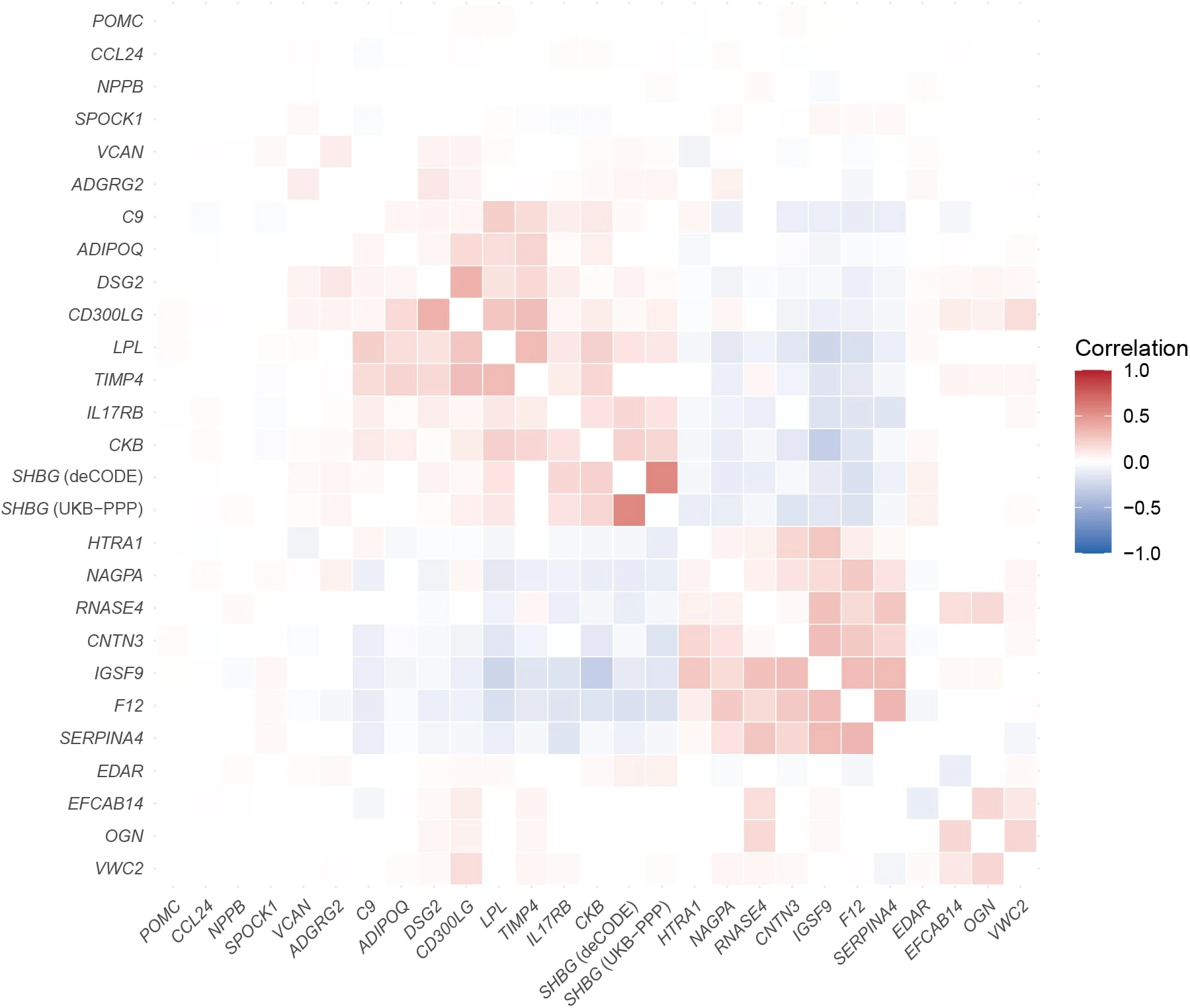
In 373,882 adults of European ancestry under 60 from the UK’s Our Future Health study, an observational genetic analysis tested links between genetically predicted blood protein levels and blood pressure. The strongest link involved lipoprotein lipase, a protein that helps clear fats called triglycerides from blood after meals. Higher predicted levels were associated with lower mean arterial pressure, a measure of average blood pressure, but higher body mass index, a weight-for-height measure. Three other fat-handling proteins showed similar links.
In a separate analysis of data from 135,916 people, genetic scores for all four proteins were associated with lower triglyceride levels in certain fat-carrying particles. The authors suggested that proteins regulating fat clearance after meals play a key role in high blood pressure, independently of body fat.
Why it matters
High blood pressure is a concern in later life. This work asks whether fat processing offers clues to its biology beyond the link with body fat.
Caveats
Genetic variants may affect blood pressure through routes other than these proteins; most cohorts in the lipid analysis were classified as fasted. The main blood pressure analysis covered adults of European ancestry under 60, and this bioRxiv preprint has not been peer-reviewed.
From the paper
- Limitation
The most serious limitation of this study is the incomplete coverage of trans-eQTLs in the eQTLGen Phase 1 dataset.
Quoted word for word from the full text on bioRxiv.
The paper
Genetic trans-effects link triglyceride-rich lipoproteins to blood pressure
Western General Hospital
bioRxiv, Sep 8, 2026, Open access, CC BY-NC-ND, Preprint, not yet peer-reviewed


Comments
Be the first to comment.