Prostate cancer

Papers on prostate cancer

1,427 papers91 new in 30 days

Tuesday, November 17

Medicine and Science in Sports and Exercise

Higher midlife fitness linked to longer survival after cancer in men

High-fitness men with colorectal, lung or prostate cancer had a 33–41% lower relative risk of death from any cause than low-fitness men.High-fitness men with colorectal, lung or prostate cancer had a 33–41% lower relative risk of death from any cause than low-fitness men.

Cohort study of 28,612 peopleCancer

Monday, November 16

Cancer Prevention Research

Low predicted muscle mass showed no strong link to cancer risk

Men with low predicted muscle mass had a hazard ratio of 1.04 for overall cancer versus other men—a small difference in relative risk.Men with low predicted muscle mass had a hazard ratio of 1.04 for overall cancer versus other men—a small difference in relative risk.

Skeletal muscles with intact parallel fibers, one large and dark blue-green, one smaller and gray, sit beside matching groups of upright figures.
Cohort · 4,441,403 peopleCancer

Saturday, November 14

Friday, November 13

Thursday, November 12

medRxiv

Water chemicals linked to death risk in men with prostate cancer

One chemical had a 1.07 adjusted hazard ratio—a relative death-rate measure—for death from any cause in the second-lowest versus lowest fifth of estimated exposure.One chemical had a 1.07 adjusted hazard ratio—a relative death-rate measure—for death from any cause in the second-lowest versus lowest fifth of estimated exposure.

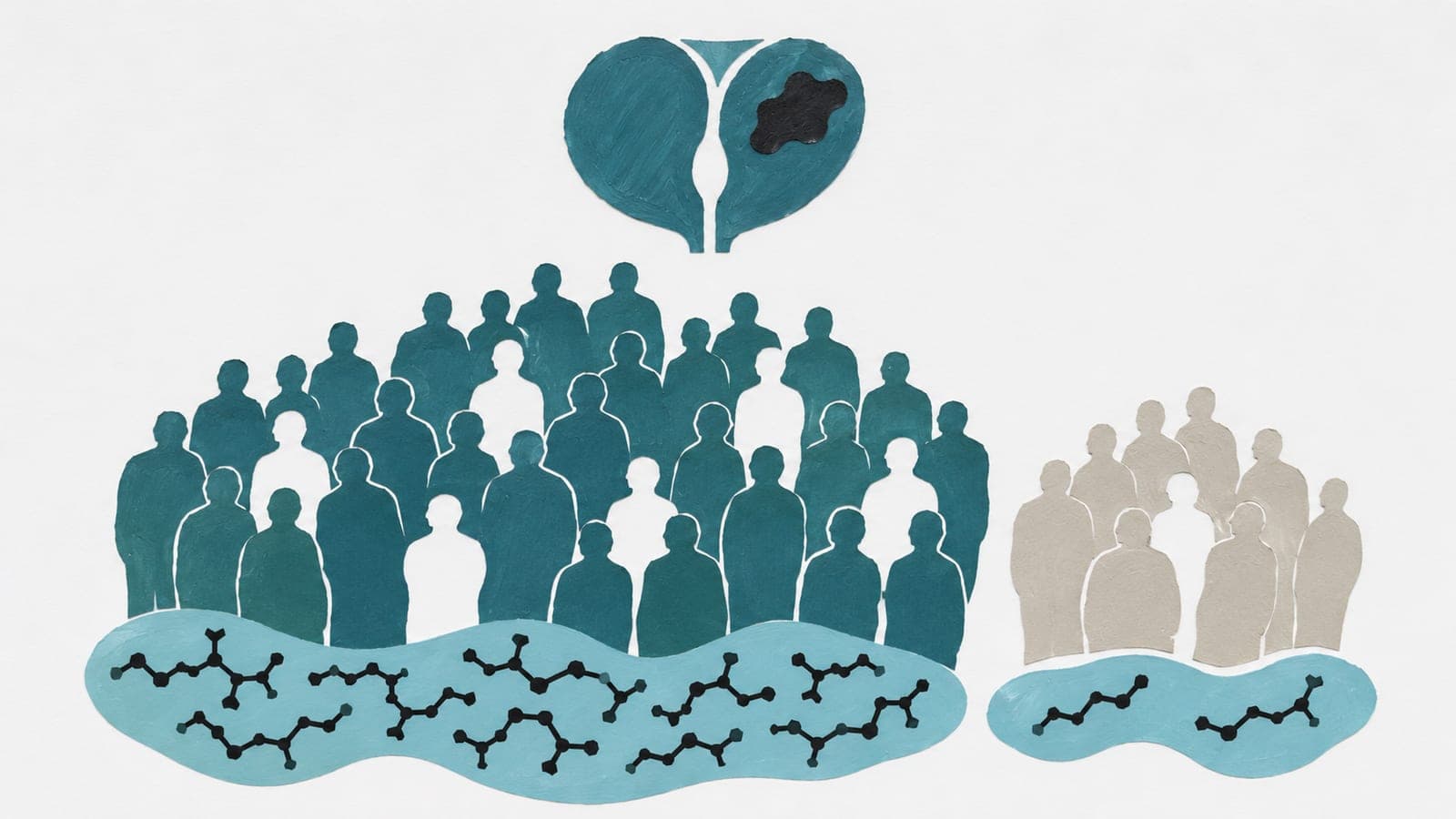
Groups of men beneath a prostate cross-section stand above water with dense or sparse molecules, with more figure-shaped gaps in the more exposed group.
Preprint: cohort · 51,289 peopleProstate cancer
Cancer

Prostate screening trade-offs worsen with age in models

Models estimated 2.7–3.1 overdiagnoses per prostate cancer death prevented at 72 versus 4.5–5.1 at 76 in men without other illnesses.Models estimated 2.7–3.1 overdiagnoses per prostate cancer death prevented at 72 versus 4.5–5.1 at 76 in men without other illnesses.

Noncancer survival by comorbidity group for men aged 72 years previously estimated using SEER‐Medicare data.
Computational studyInterventions
Research Square

Prostate cancer gene scores add little beyond age in Black men

Adding genetic information to age improved a measure of prostate cancer prediction by 1.83% over 10 years in Black men, compared with age alone.Adding genetic information to age improved a measure of prostate cancer prediction by 1.83% over 10 years in Black men, compared with age alone.

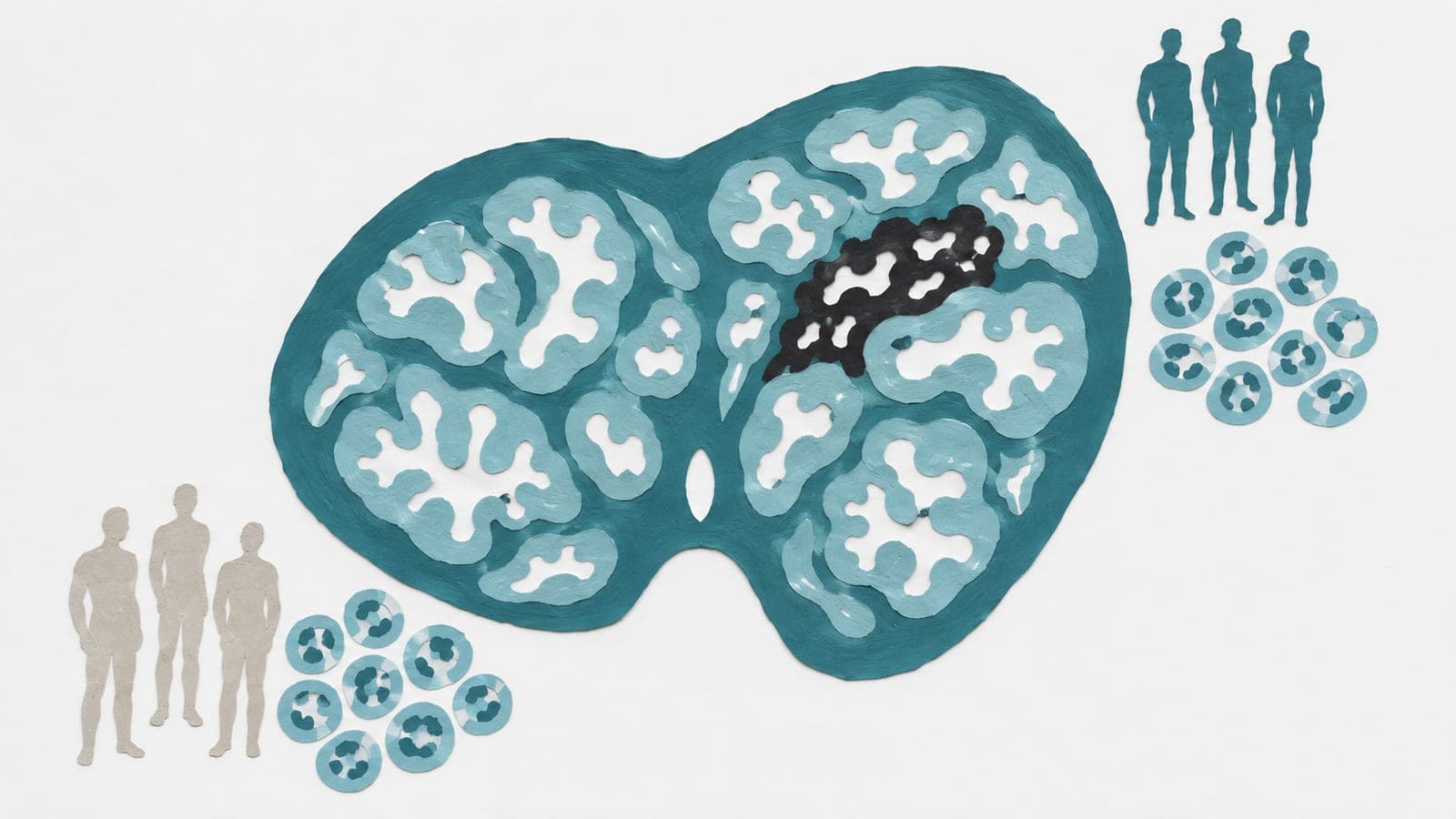
Prostate tissue with a dark patch of crowded glands, flanked by dark blue-green and gray groups of men beside similar clusters of cell nuclei.
Preprint: cohort studyProstate cancer

Wednesday, November 11

Infectious Agents and Cancer

Genetic study links Epstein-Barr antibodies to prostate cancer

Across three datasets, genetically predicted antibody levels were linked to higher prostate cancer odds, with a pooled odds ratio of 1.074, versus 1 for no association.Across three datasets, genetically predicted antibody levels were linked to higher prostate cancer odds, with a pooled odds ratio of 1.074, versus 1 for no association.

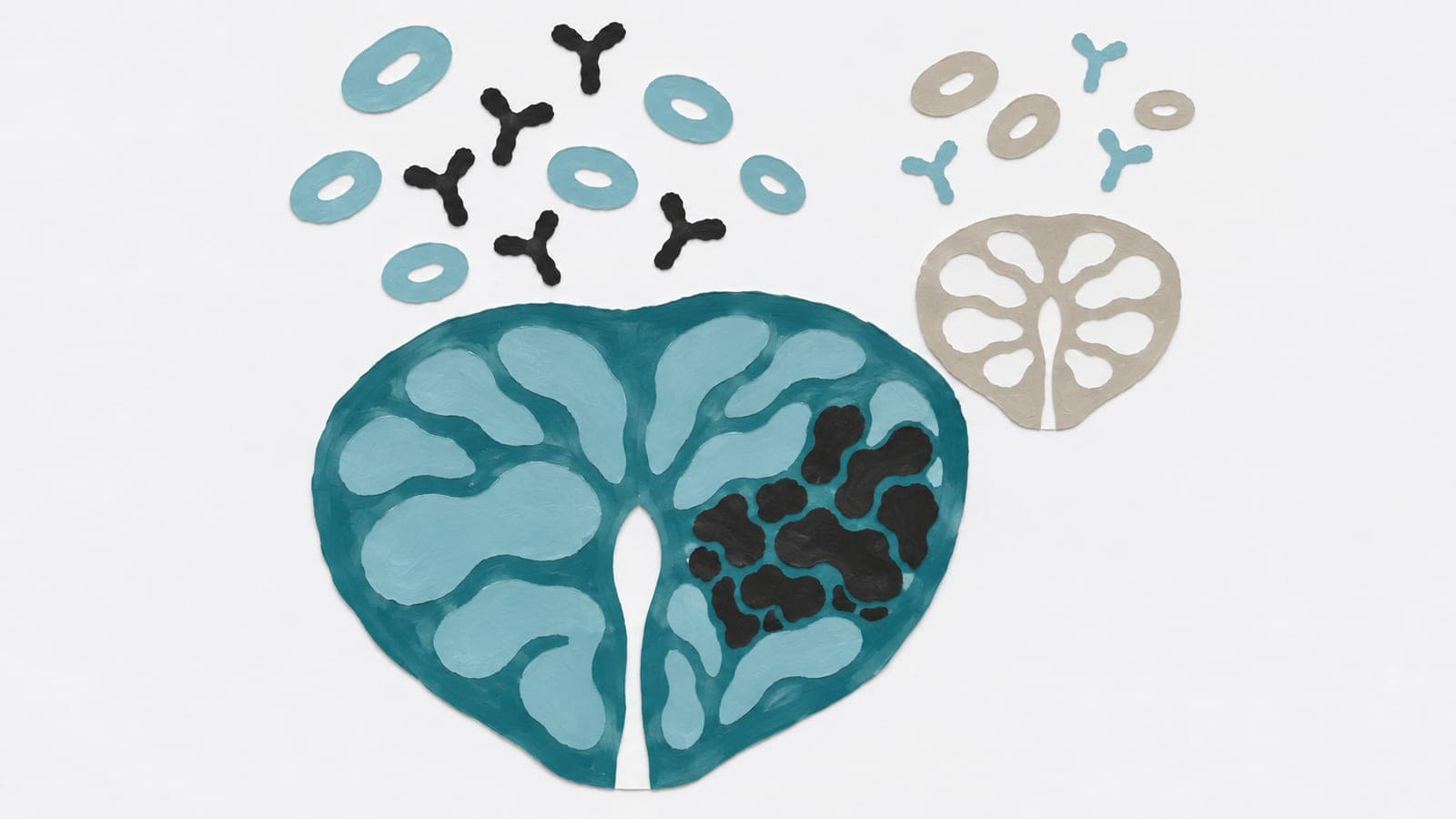
Prostate sections show crowded dark glands beside orderly healthy tissue, with blood cells and more antibodies above the affected section.
Mendelian randomizationProstate cancer

Tuesday, November 10

Monday, November 9

AHA Scientific Sessions 2026 Abstract

Drug choice linked to fewer deaths in prostate cancer, type 2 diabetes

Glucagon-like peptide-1 receptor agonists were linked to lower mortality than dipeptidyl peptidase-4 inhibitors, with a hazard ratio—a relative risk measure—of 0.63.Glucagon-like peptide-1 receptor agonists were linked to lower mortality than dipeptidyl peptidase-4 inhibitors, with a hazard ratio—a relative risk measure—of 0.63.

Prostate cross-section with a dark tumor patch, surrounded by a larger blue-green group of figures, a smaller gray group, and matching hearts.
Cohort studyProstate cancer

Friday, November 6