Chronic loneliness and isolation phenotypes and physical and mental health in older adults
Declared no competing interests
Abstract
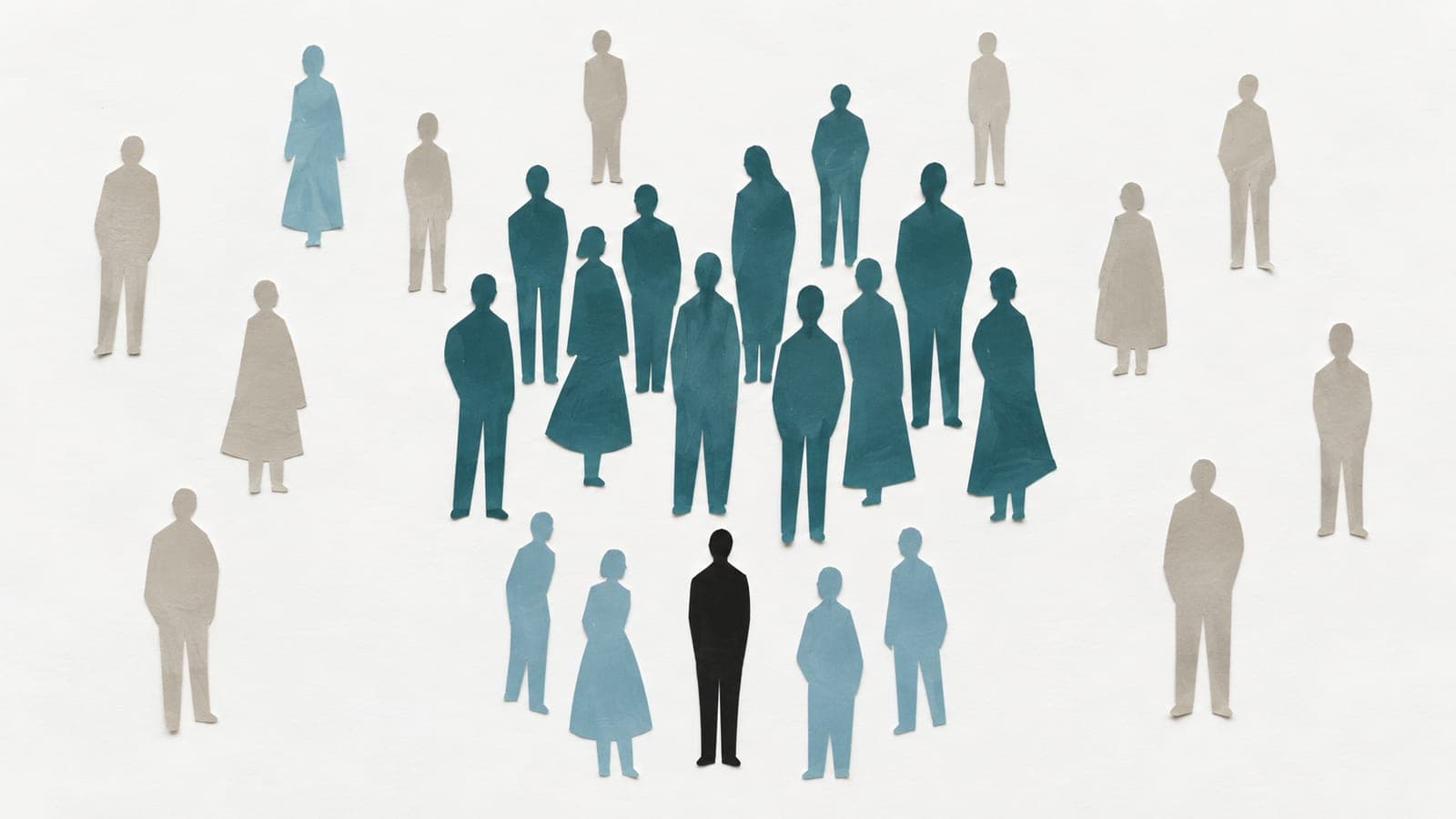
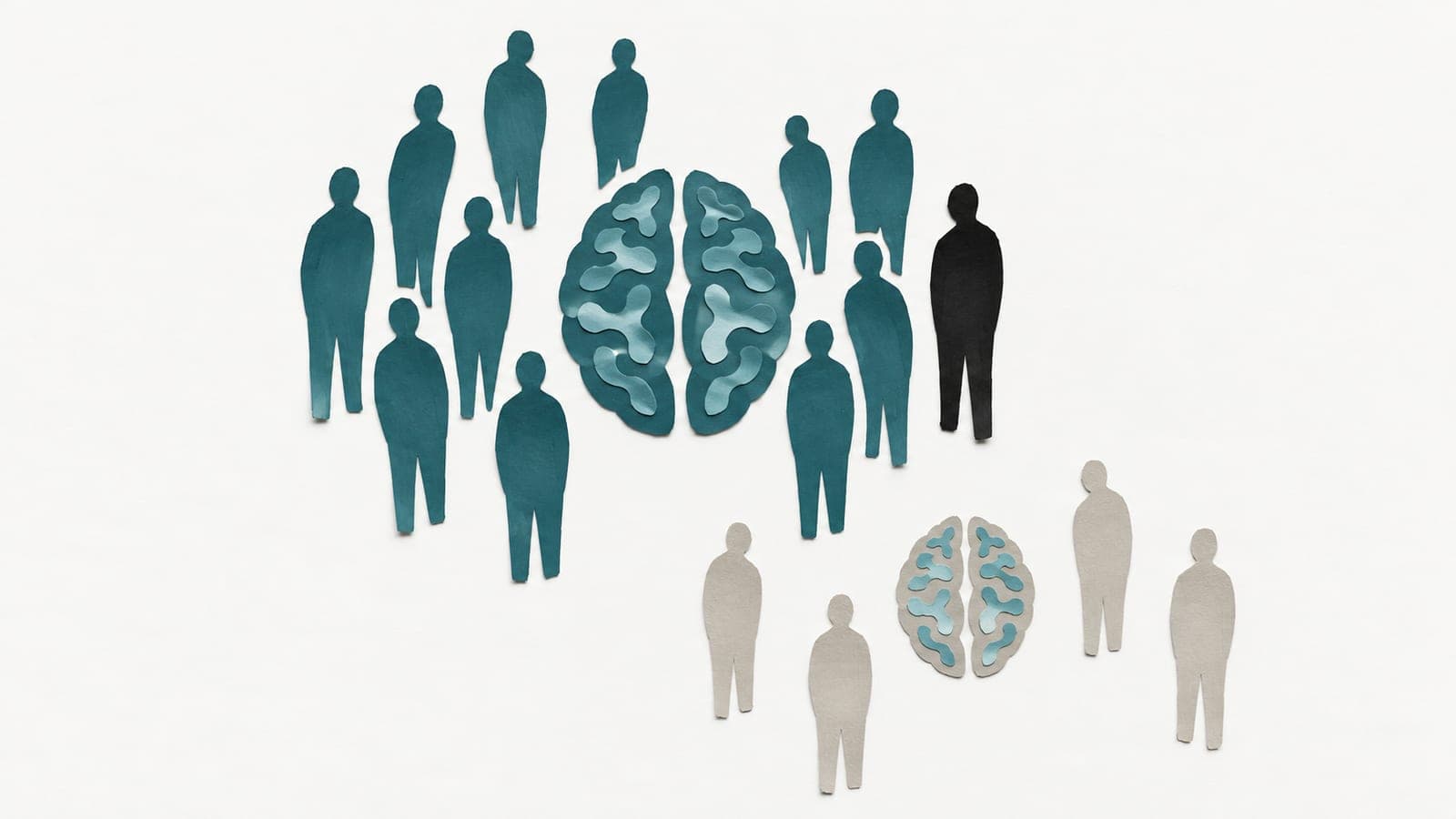
Chronic social deficits (persistent feelings of being lonely or isolated) have been linked to premature mortality, yet the underlying physical and mental pathways remain unclear. This study used data from 4,090 older adults in the English Longitudinal Study of Ageing, a longitudinal panel study. Using outcome-wide analyses, we assessed how the chronicity of social deficits was associated with 17 health outcomes across physical, mental, cognitive and behavioural health domains. Regression models showed that chronic loneliness was longitudinally associated with increased risks of worse general health, functional capacity, and mental wellbeing, and more unhealthy behaviours. Chronic isolation and onset of isolation were associated with lower quality of life, whereas isolation remission was positively related to enhanced mental wellbeing and cognition compared to no isolation. Findings suggest an association between chronicity of loneliness and adverse health outcomes, highlighting chronic social deficits as an important correlate of healthy ageing.
From the paper
- Participants
The study included 4,090 participants with a mean age of 66.7 years (SE=0.13, age range= 54-89 years).
- Result
… chronic loneliness was associated with higher odds of chronic illnesses (OR=1.59, 95%CI=1.24-2.04) and chronic pain (OR=1.71, 95%CI=1.33-2.18), as well as lower odds of good self-rated health (OR=0.45, 95%CI=0.34-0.60) two years later ( & Supplementary Table 2).
Quoted word for word from the full text on medRxiv.
The paper
University College London
medRxiv, 9 Sep 2026, CC BY, Preprint, not peer-reviewed