Frailty most strongly linked to death in older hospital patients
Among 2,006 older hospital patients, each one-point rise on a clinical frailty scale was associated with a 50% higher relative risk of death within six months.
Limit: Patients came from an acute geriatric unit, limiting generalizability to other hospital settings
Edited by Boris Djordjevic · AgingResearch.News
An observational study used prospectively collected data from 2,006 adults aged 65 or older admitted to an acute geriatric unit, a hospital ward for older people. Their mean age was 85.6 years, and 53% were female. Researchers assessed frailty, or vulnerability to health stresses, with a clinical scale. They also assessed long-term illnesses in several ways.
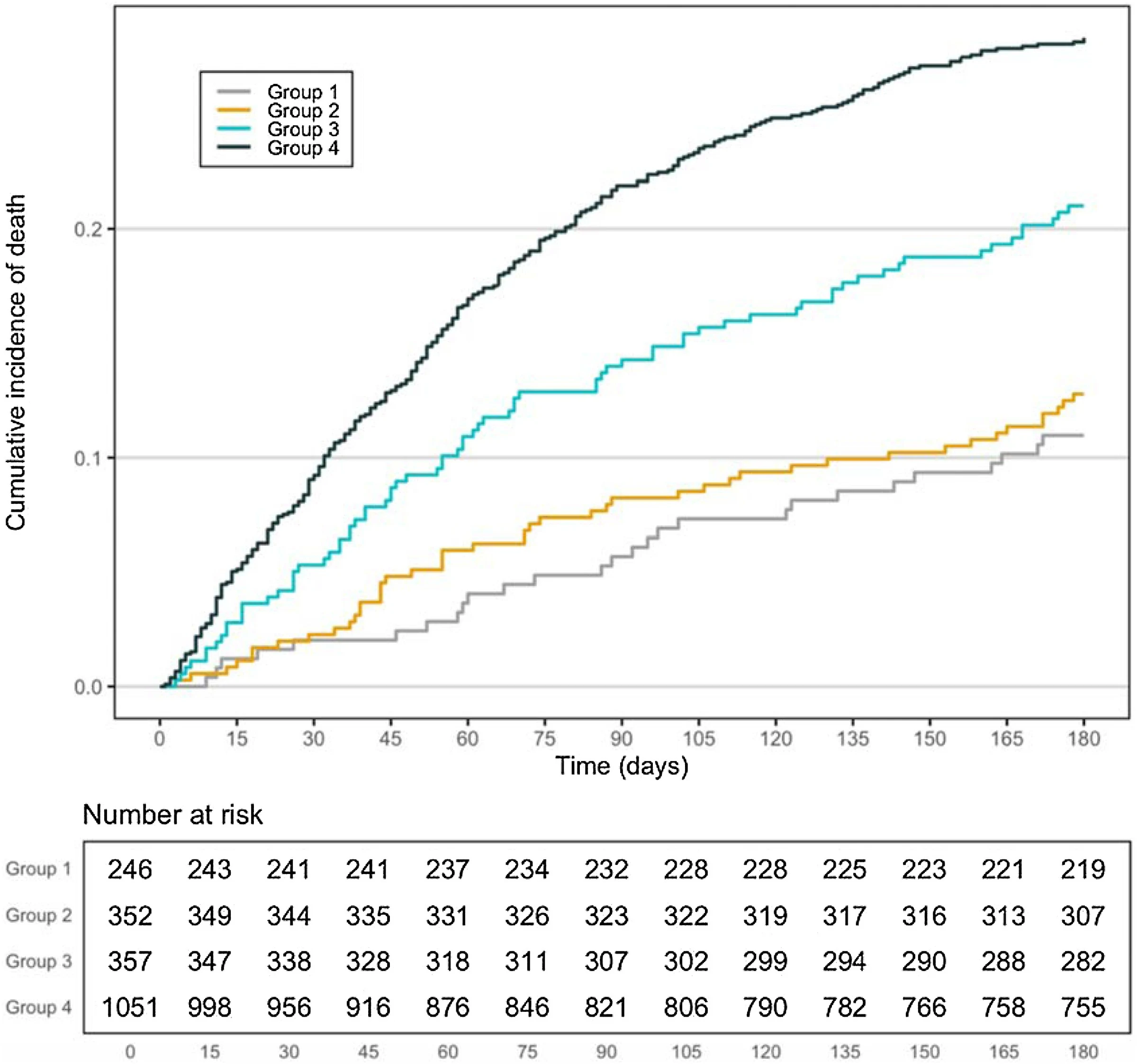
Within six months after discharge, 445 patients (22%) died. Frailty had the strongest association with death. It was linked to mortality both in patients with at least two long-term conditions and in those without. Having at least two conditions was also independently linked to death. So was a score that assigned different weights to illnesses, but a simple disease count was not. The weighted score’s contribution to predicting death weakened at higher frailty levels.
Why it matters
Frailty and multiple long-term illnesses often coexist in older age, raising questions about how best to assess prognosis. The authors said the findings supported broader use of frailty assessment in older hospital patients.
Caveats
This observational study could not establish cause and effect. Its findings concern older adults admitted to an acute geriatric unit and may not extend to younger adults or people outside hospital.
- Clinical Frailty Scale
- Multimorbidity
- Charlson Comorbidity Index
- Single disease count
- Two or more coexisting long-term conditions
- Humans
The paper
Frailty or multimorbidity: which matters most for the prognosis of hospitalised older adults?
University of Milano-Bicocca
The Journal of Nutrition, Health & Aging, Oct 28, 2026


