Smartphone sleep apnea screening yields large adult dataset
The observational dataset contained 239,132 measurements from 31,647 consenting adults using a smartphone-only screening app.
Limit: Users with sleep concerns were overrepresented, limiting the dataset’s representativeness
Edited by Boris Djordjevic · AgingResearch.News
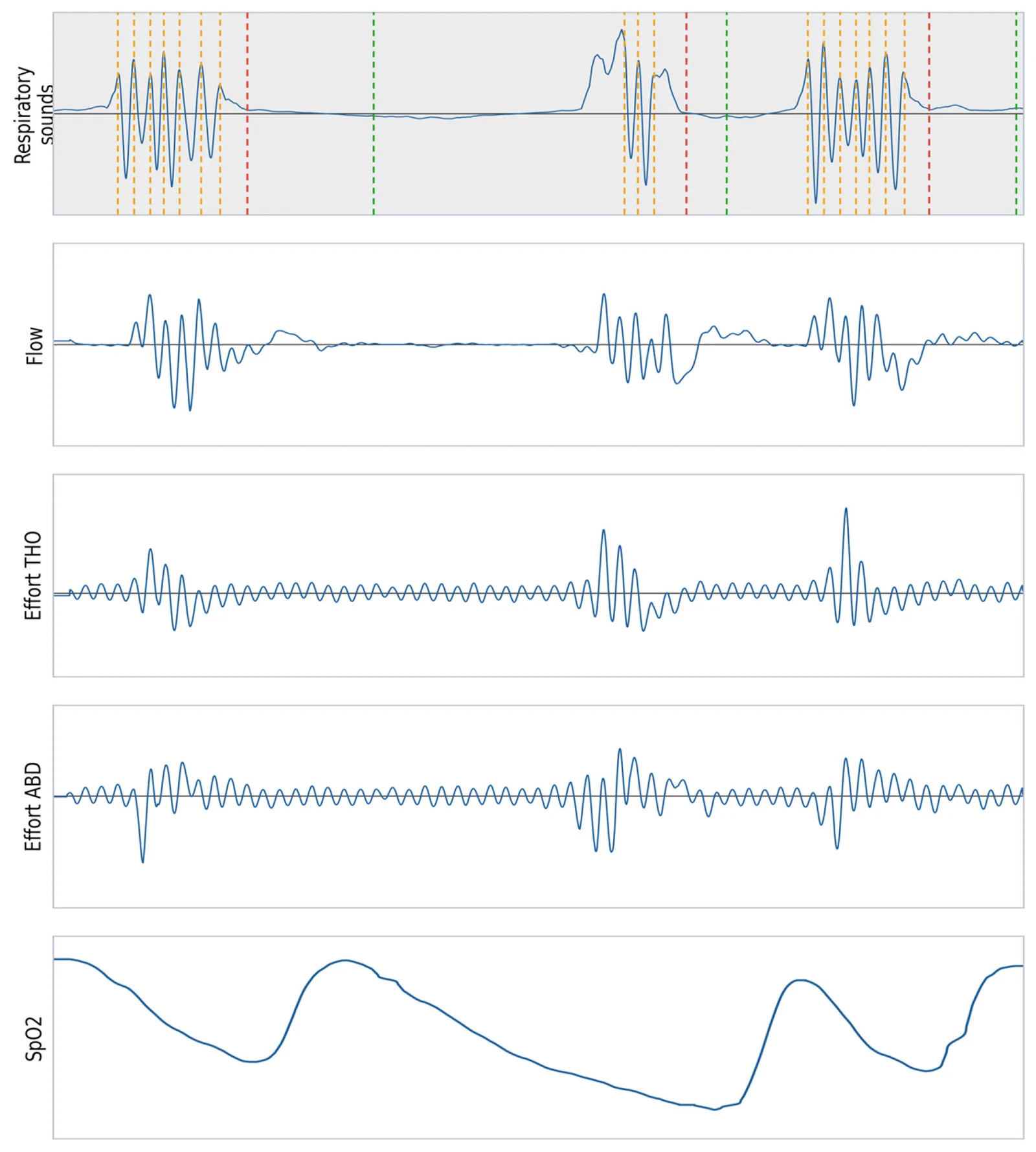
In an observational study, 31,647 consenting adults used a smartphone app to screen for obstructive sleep apnea, in which narrowed or blocked airways repeatedly disrupt breathing during sleep. Researchers included users who agreed to share anonymized data between March 2023 and December 2025. The app estimated breathing pauses or reductions per hour from nighttime breathing sounds.
The dataset contained 239,132 measurements. Across all attempted recordings, 96.5% produced a valid analysis. A total of 14,351 users supplied at least two valid nights, providing 221,820 nights of repeated screening data. The app had previously been validated against polysomnography, a sleep test that records breathing and other body signals. The authors presented the dataset as a resource for studying differences between nights and links between symptoms and screening results.
Why it matters
Sleep apnea is linked to cardiovascular and metabolic illness. The authors suggested that smartphone screening could complement established diagnostic pathways and help address underdiagnosis.
Caveats
Self-selection and unsupervised recording limited how well this observational dataset represented the general adult population. Voluntary demographic information was available for 8,092 users, whose mean age was 54.4 years.
From the paper
- Participants
Between March 2023 and December 2025, a total of 31,647 users who had consented to research data donation contributed a total of 239,132 measurements.
- Result
A recording duration < 4 h was associated with a small reduction in the AHI compared with ≥4 h within the same individual (estimated difference −0.23 events per hour, 95% CI −0.37 to −0.08; p = 0.0029).
- Harms
All 150 subjects enrolled in the study completed the observational night, and no adverse events occurred [19].
Quoted word for word from the full text on mdpi.com.
- Snorefox M
- Resources: datasets, atlases and tools
- Obstructive sleep apnea
- Apnea-hypopnea index
- ESS score
- Humans
The paper
Ruhrlandklinik
Diagnostics, Oct 16, 2026, Open access


