Living alone linked to higher death risk in US adults
Hazard ratios comparing overall death rates were 1.22 at ages 18–64 and 1.06 at 65 or older for living alone versus living with others.
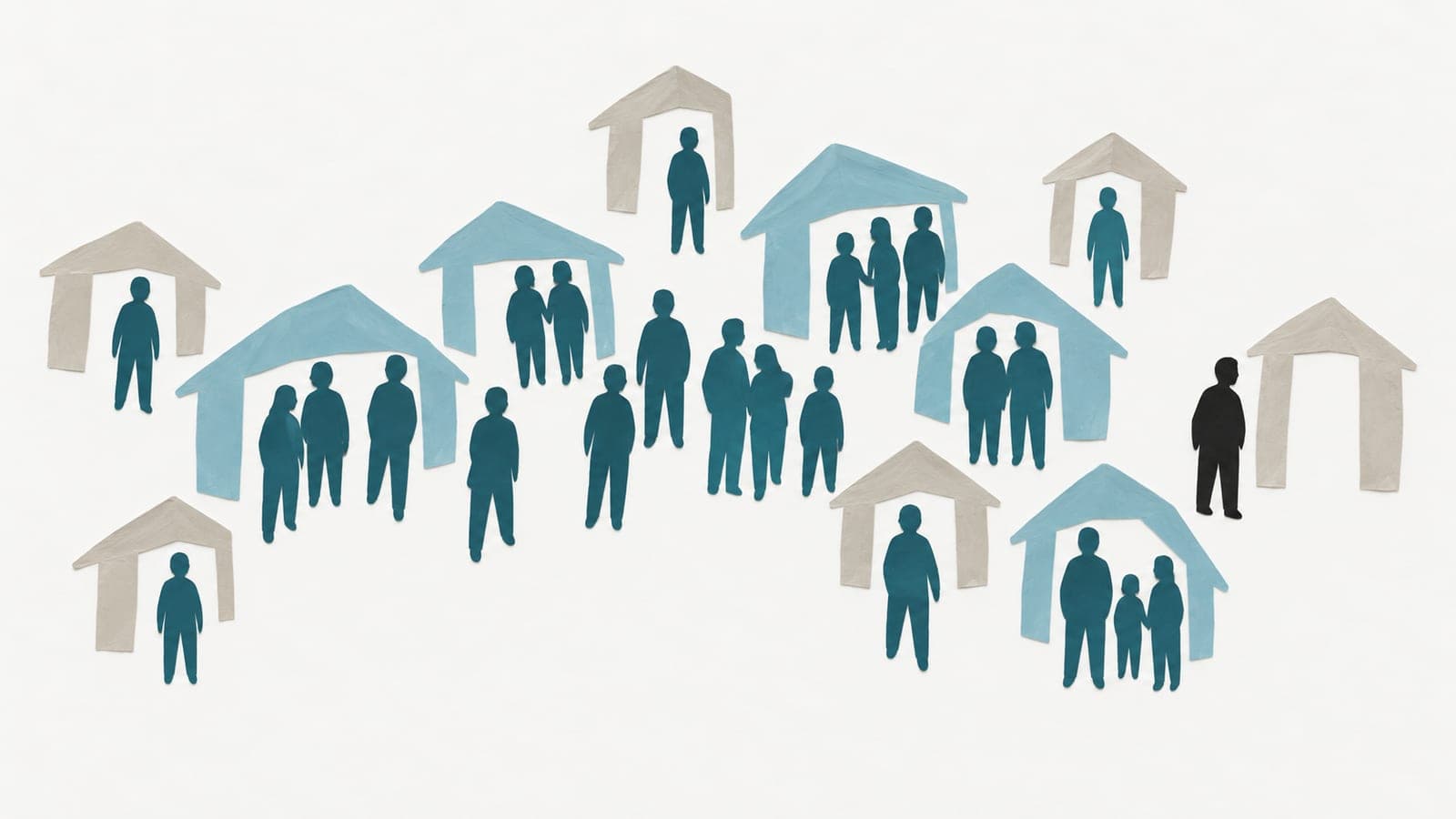
Limit: Social and health differences explained 57.1% of the mortality gap at ages 18-64
Edited by Boris Djordjevic · AgingResearch.News
An observational cohort study of 598,023 US adults aged 18 or older examined living arrangements and mortality. Researchers used surveys collected from 1998 through 2018 and tracked deaths through 2019.
Living alone was linked to higher mortality overall and from heart disease, suicide and injuries in both the 18–64 and 65-or-older age groups. Suicide had the strongest association with living alone among the causes examined. Measured social, demographic and health characteristics accounted for 57.1% of the overall mortality difference between living arrangements at ages 18–64 and 85.4% at 65 or older. The contributing characteristics varied somewhat by cause of death.
Why it matters
Understanding survival in later life includes asking how living arrangements and social and health circumstances relate to mortality. The authors highlighted targeted interventions to reduce mortality risks among people living alone.
Caveats
The observational design cannot establish that living alone caused the mortality differences. The findings concern US adults aged 18 or older.
The paper
Surveillance
International Journal of Epidemiology, Oct 14, 2026