Blood markers linked to higher risk of metabolic liver disease
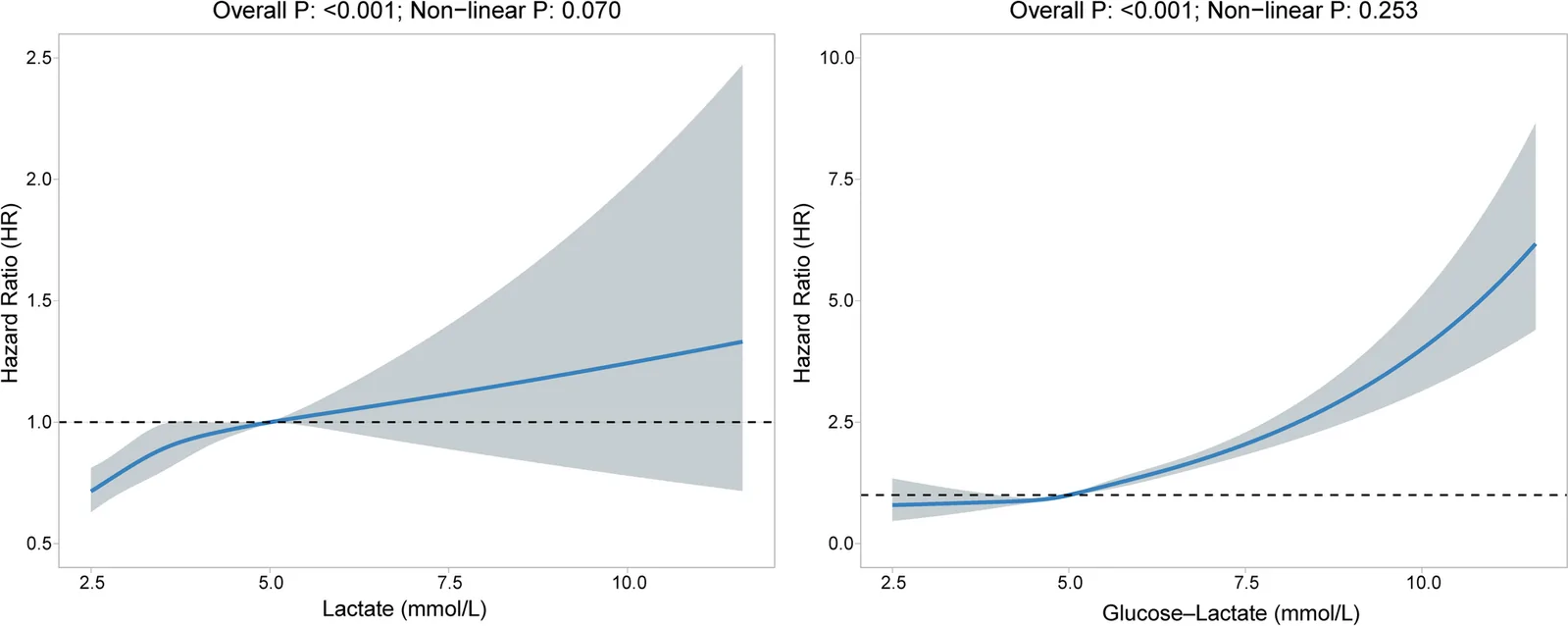
Liver disease hazard ratios were 1.19 for the highest versus lowest third of lactate and 1.29 for the glucose-lactate index.
Limit: Hospital and death records can miss subclinical and outpatient liver disease cases
Edited by Boris Djordjevic · AgingResearch.News
In a prospective observational study, researchers followed 175,612 UK Biobank participants to examine blood markers and metabolic dysfunction-associated steatotic liver disease, which involves liver fat and metabolic problems. They measured lactate, a product of glucose metabolism, and an index based on glucose and lactate.
Higher levels of both markers were associated with higher disease risk. The hazard ratios describe relative disease rates during follow-up, not absolute risks. Both markers were also associated with higher estimates of biological age relative to chronological age. Statistical analyses suggested that accelerated biological aging partly accounted for the liver-disease links. One biological-age measure accounted for 32.3% of the lactate association and 20.8% of the index association. A second measure accounted for 8.2% and 11.8%, respectively.
Why it matters
The study explored whether biological aging may help account for connections between disrupted glucose-lactate metabolism and metabolic liver disease.
Caveats
The observational design cannot establish cause and effect or show that aging caused these links. The findings came from UK Biobank participants.
From the paper
- Participants
A total of 175,612 participants were included, among whom 173,315 remained MASLD-free and 2,297 developed incident MASLD during follow-up.
- Result
In the quantile-based analysis (Table 2), participants in the highest tertile (tertile 3) of lactate had a higher MASLD risk compared to those in the lowest tertile (tertile 1) (HR = 1.19, 95% CI: 1.07–1.32).
- Limitation
First, MASLD outcomes were defined using ICD-10 codes (K76.0 and K75.8) from hospital admission and death registry data.
Quoted word for word from the full text on link.springer.com.
- Telomerase and telomere maintenance
- Lactate
- Glucose-lactate index
- Metabolic dysfunction-associated steatotic liver disease
- Aging-related transcriptional score
- Humans
The paper
Chongqing Medical University
Clinical Epigenetics, Jul 29, 2026, Open access


