Lifestyle-related metabolic profile linked to lower hypertension risk
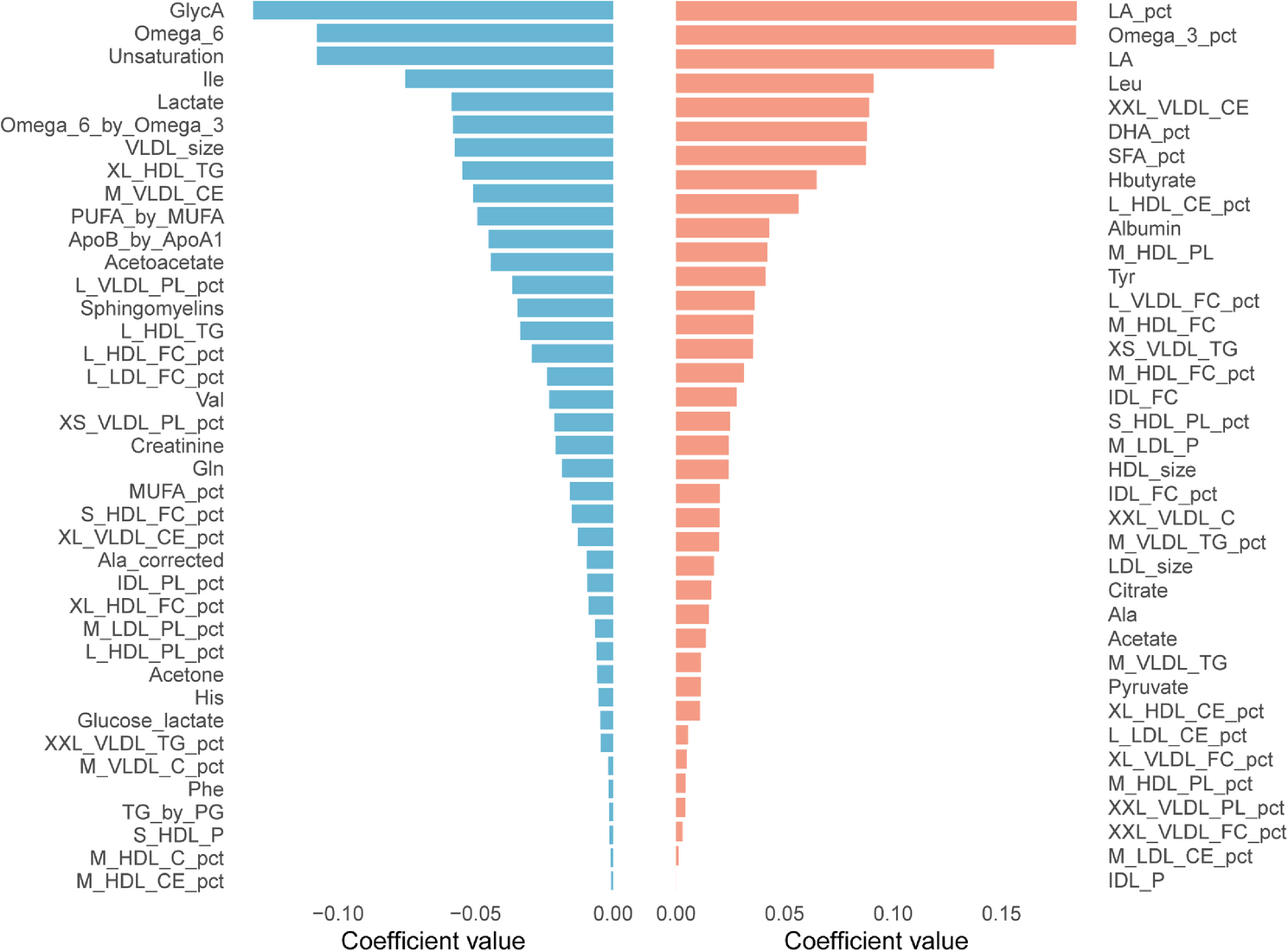
In 126,677 adults followed for a median of 13.43 years, a 76-metabolite signature explained 57.08% of the protective association between healthy lifestyle and hypertension.
Dose-response
Limit: Lifestyle information was self-reported, making it susceptible to recall and reporting bias
Edited by Boris Djordjevic · AgingResearch.News
This prospective cohort study followed 126,677 UK Biobank participants, with a mean age of 54.92 years; 46.47% were male and 96.09% were White. Researchers calculated a combined healthy lifestyle score and identified a pattern of 76 metabolites, small molecules produced by the body's chemical processes.
Over a median follow-up of 13.43 years, 18,720 participants developed hypertension, or high blood pressure. Higher lifestyle scores and higher levels of the metabolic pattern were independently associated with lower hypertension risk. Their hazard ratios, relative measures of risk, were 0.927 and 0.675, respectively. These associations remained generally consistent across age, education and income groups. A mediation analysis estimated that the metabolic pattern explained 57.08% of the protective association between a healthy lifestyle and hypertension risk.
Why it matters
Preventing high blood pressure is relevant to maintaining cardiovascular health as people age. The findings offer clues to the metabolic processes that may link lifestyle behaviors with hypertension risk.
Caveats
This observational study could identify associations but could not show that metabolic changes caused lower hypertension risk. Participants were 96.09% White, so the findings may not apply to other racial or ethnic groups.
From the paper
- Participants
A total of 126,677 eligible participants (mean age, 54.92 ± 8.12 years; 46.47% male; 96.09% White) were included.
- Follow-up
During a median follow-up of 13.43 years, 18,720 participants developed hypertension.
- Result
Both a higher healthy lifestyle score (HR: 0.927; 95% CI: 0.913–0.940) and a higher metabolic signature level (HR: 0.675; 95% CI: 0.641–0.711) were independently associated with a significantly lower risk of incident hypertension, with significant inverse dose-response trends.
- Limitation
First, as with all observational cohort studies, residual confounding cannot be completely excluded, and causal relationships cannot be definitively established.
Quoted word for word from the full text on link.springer.com.
The paper
Minda Hospital; Wuhan University
BMC Cardiovascular Disorders, Jul 29, 2026, Open access

