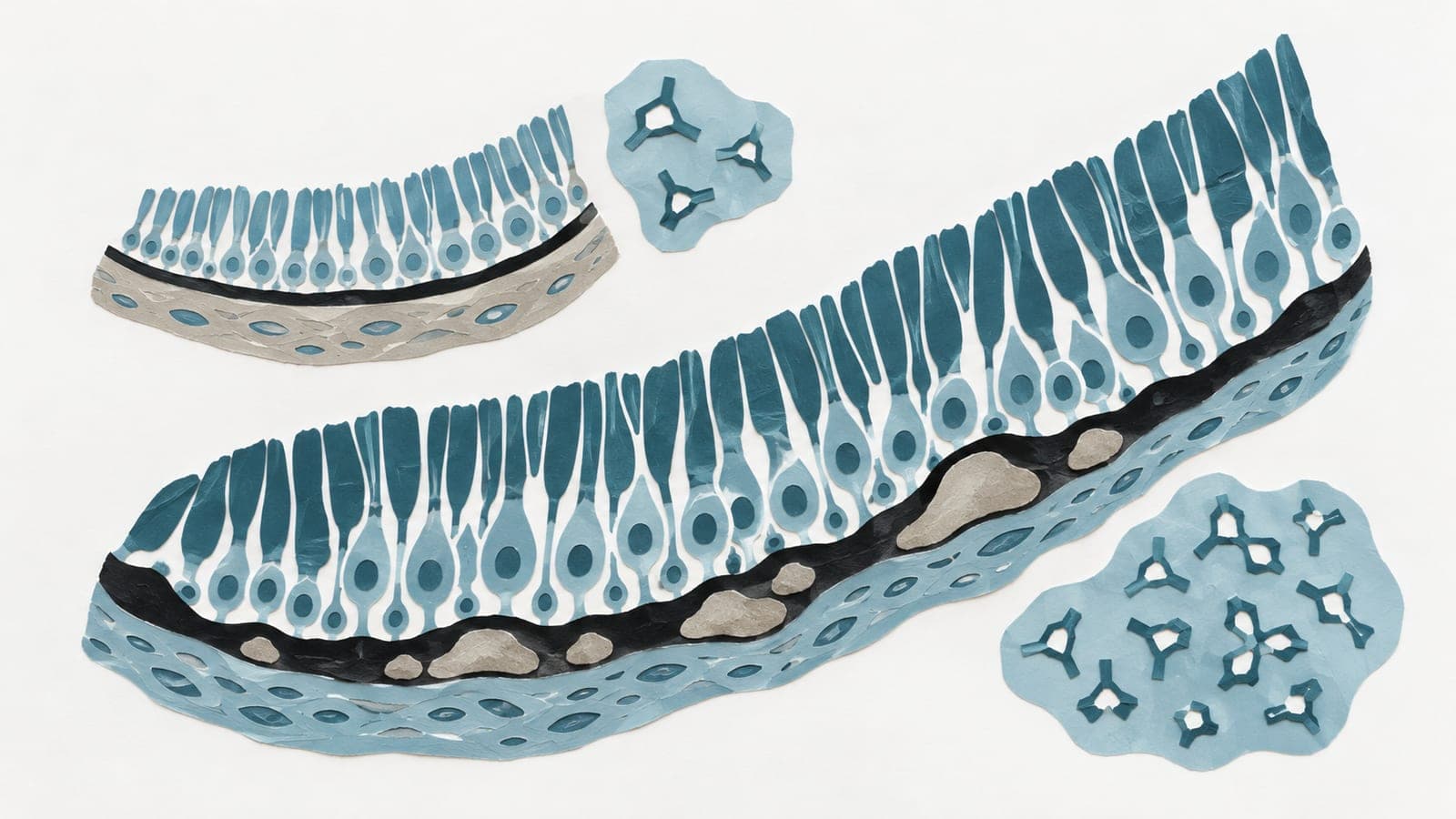
Vitamin D deficiency linked to cataract risk in adults 50 or older
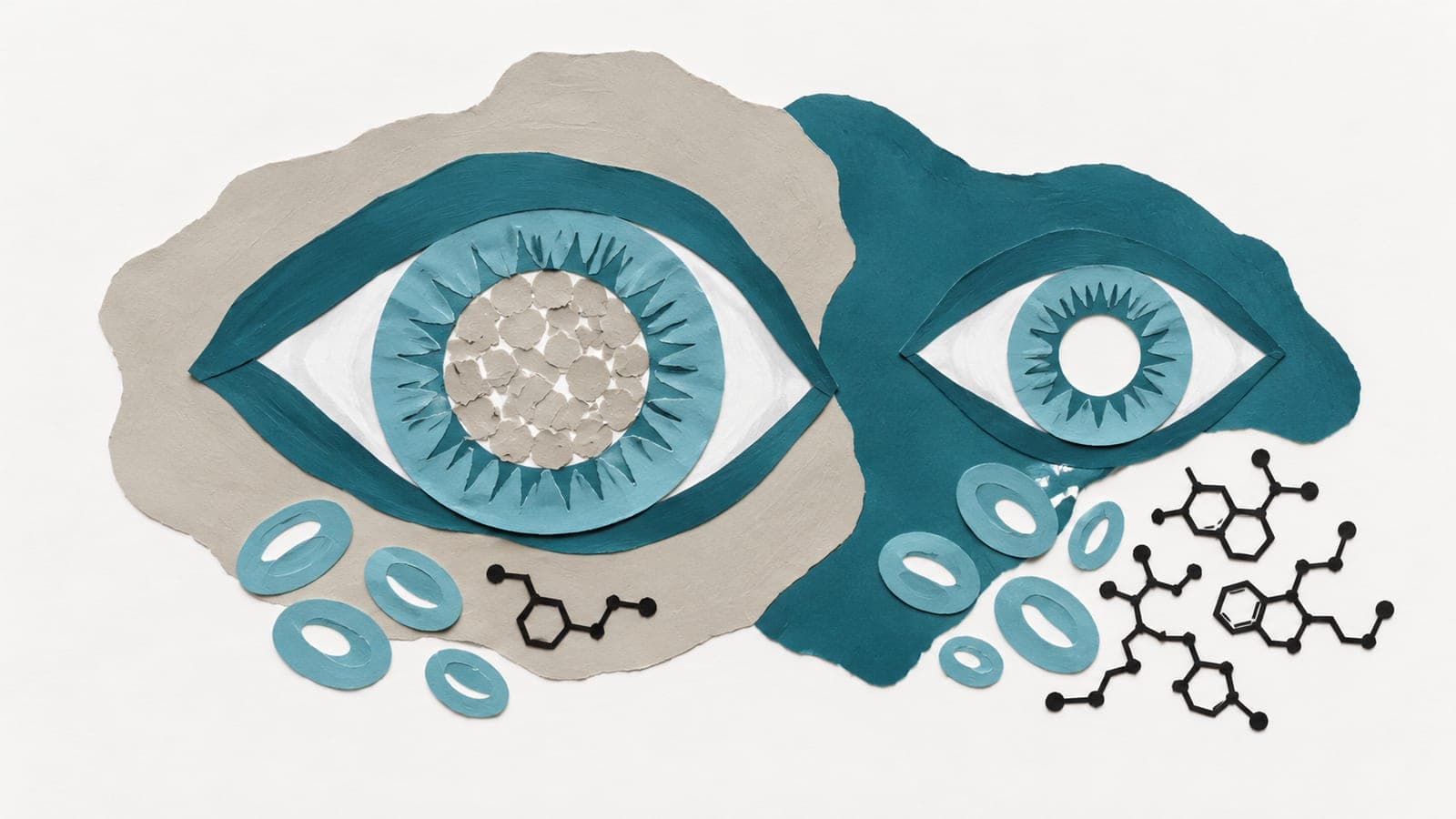
Cataract risk over up to 10 years was higher with vitamin D deficiency than with sufficient levels, with a relative-risk measure called a hazard ratio of 1.71.
Limit: Differences in eye-care use could bias cataract detection
Edited by Boris Djordjevic · AgingResearch.News
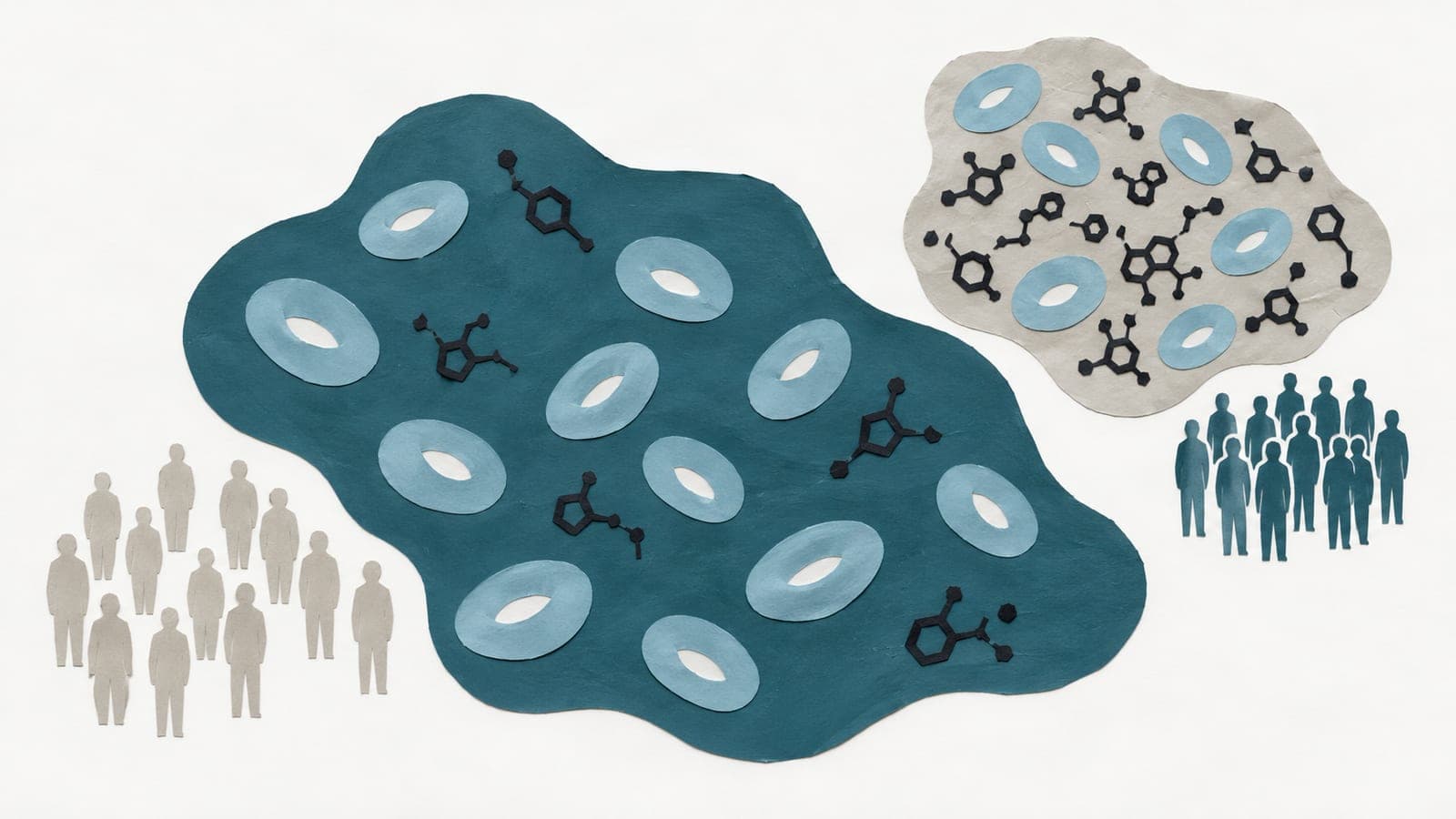
In a retrospective observational cohort study of adults aged 50 or older, researchers compared 233,425 patients with persistent vitamin D deficiency with 233,425 patients with sufficient levels. They used records from the TriNetX Global Collaborative Network and matched the groups on measured characteristics. Deficiency required two low blood vitamin D test results.
Vitamin D deficiency was associated with more new age-related cataracts during follow-up. Cataract surgery and death from any cause were also more frequent in the deficient group. The cataract association remained after researchers accounted for previous eye-care use. Additional analyses restricted to more recent records or patients with documented previous eye care also found associations, though the estimates were smaller.
Why it matters
Age-related cataracts are a leading cause of blindness, so identifying factors associated with their development matters for understanding vision loss in later life.
Caveats
This observational study cannot show that vitamin D deficiency caused cataracts or that supplements would reduce risk. The findings concern adults aged 50 or older, and the authors called for prospective studies.
The paper
College of Medicine; Chi Mei Hospital
Clinical Nutrition ESPEN, Oct 24, 2026