Genetic study does not support vitamin D lowering eye disease risk
In Copenhagen, each increase in a vitamin D-raising genetic score had a hazard ratio, comparing diagnosis rates over time, of 1.01; 1 means no difference.
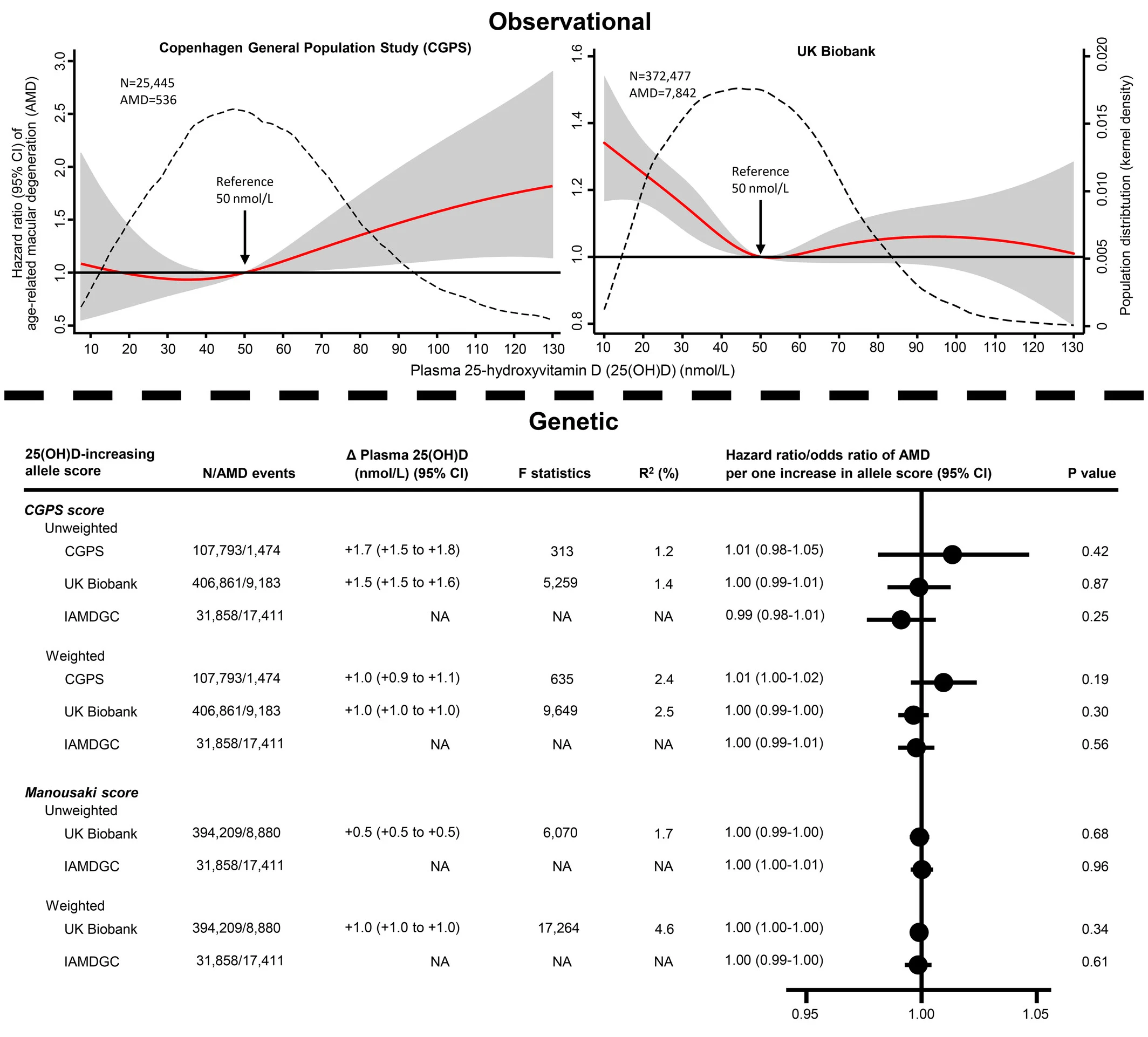
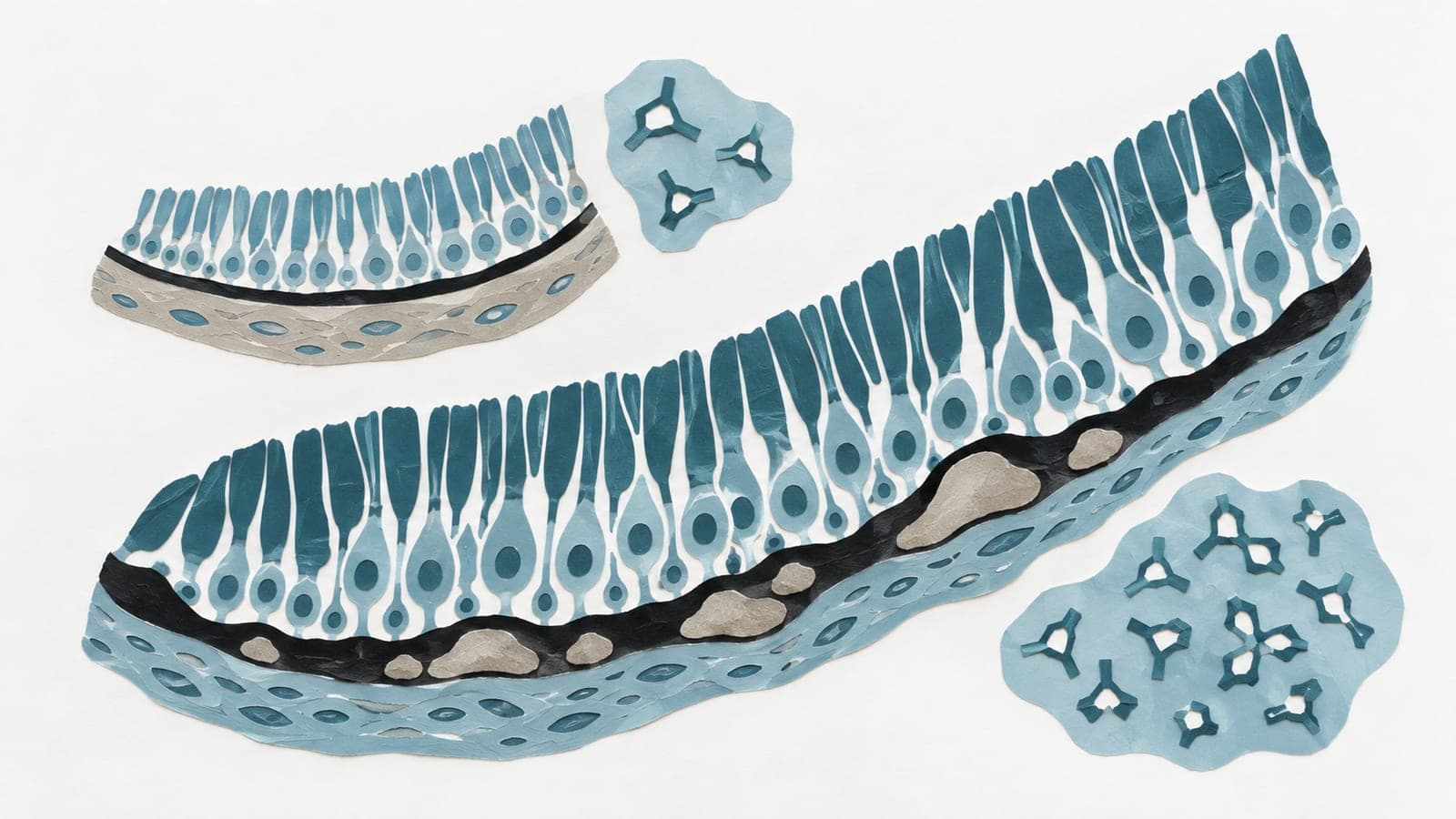
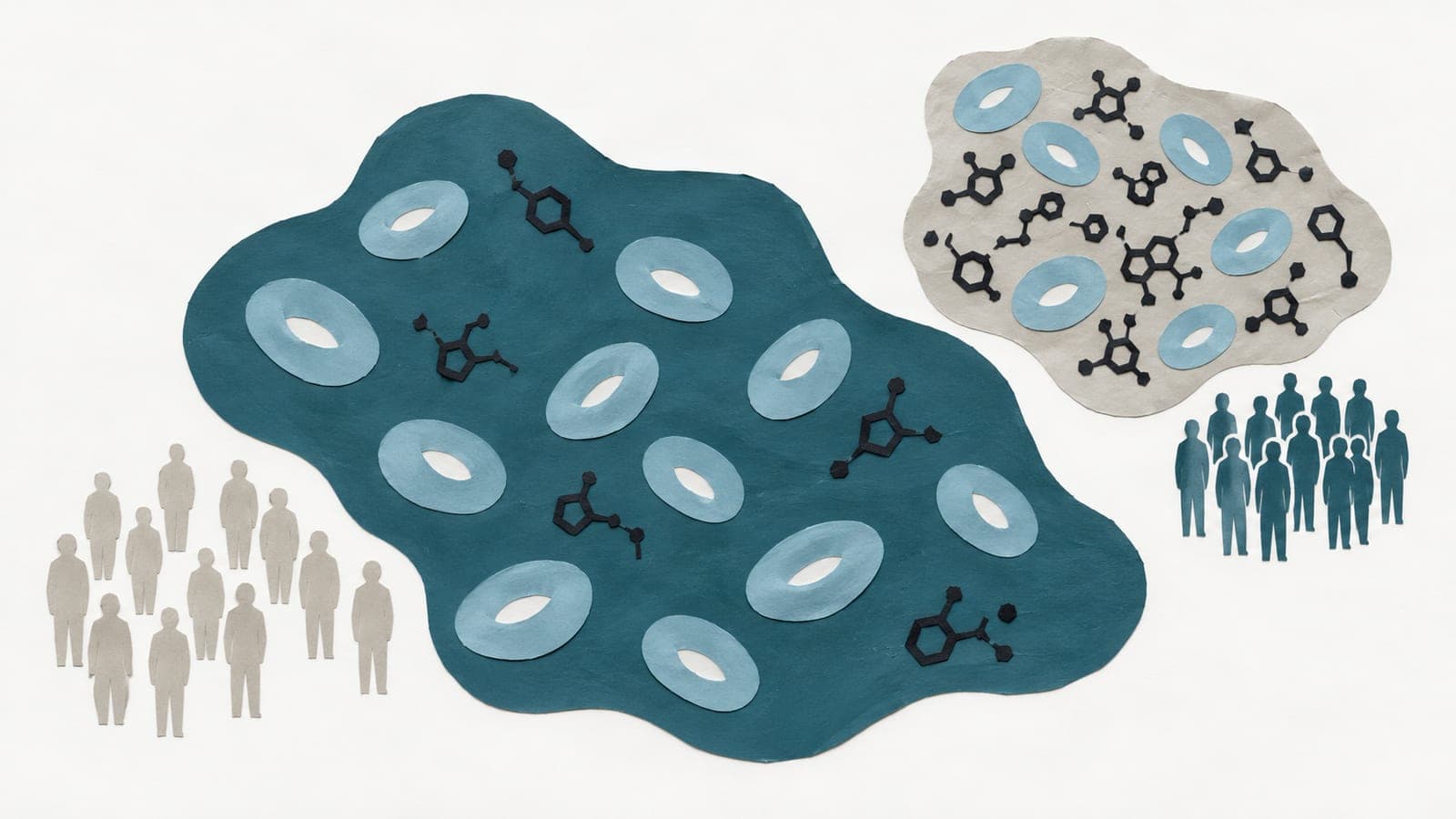
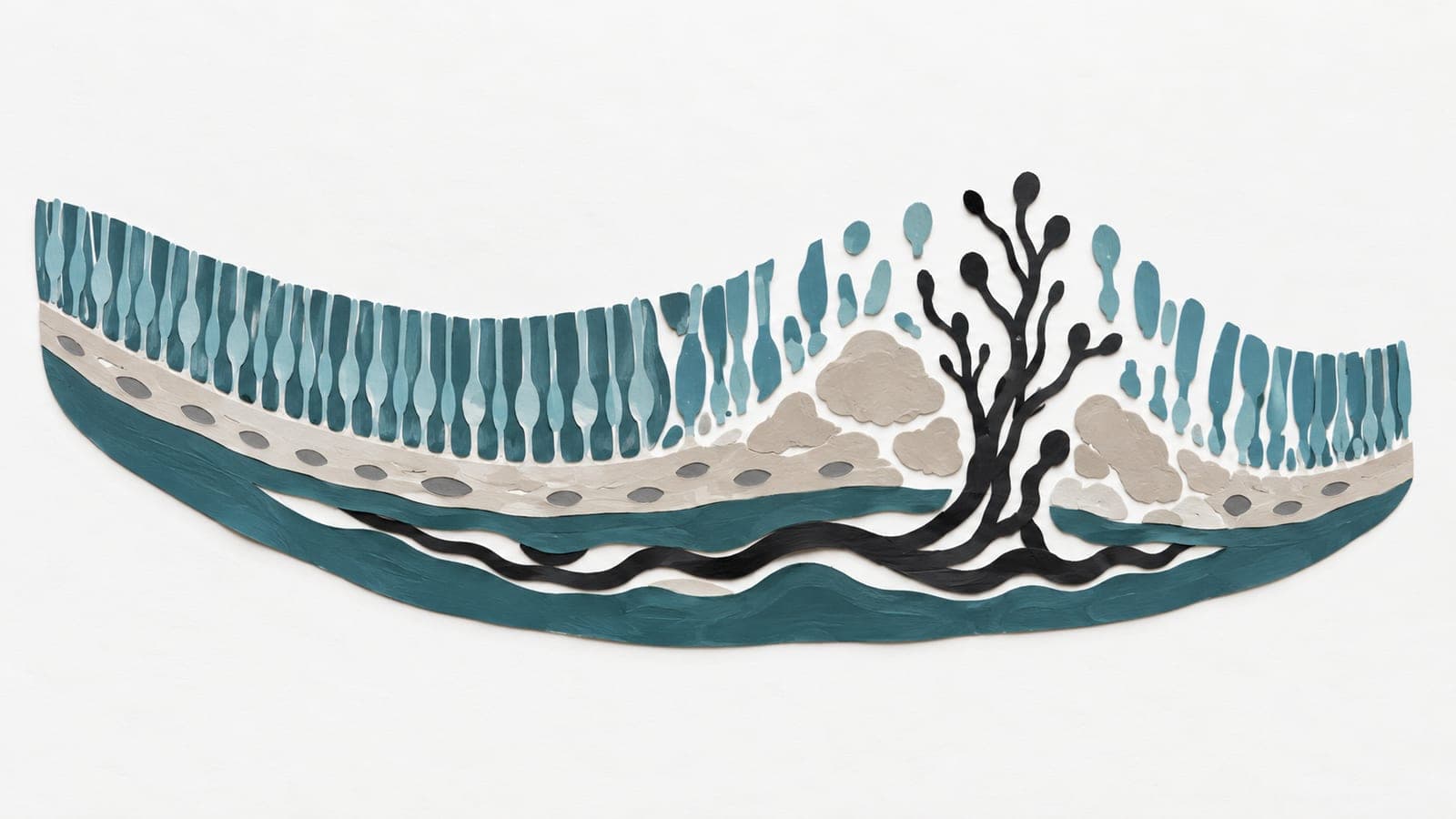
In 25,445 people from the Copenhagen General Population Study and 372,477 from UK Biobank, researchers examined whether initial blood vitamin D levels were linked to later age-related macular degeneration. This eye disease damages central vision. These observational analyses linked higher vitamin D levels to higher disease risk in Copenhagen but lower risk in UK Biobank.
The researchers also analysed genetic variants linked to lifelong higher vitamin D levels. These analyses included 107,793 people in Copenhagen, 406,861 in UK Biobank and 31,858 in a genetic case-control consortium. Each increase in the Copenhagen vitamin D-raising genetic score had a hazard ratio of 1.01, with similar results elsewhere. Its range of likely values included no difference. The researchers concluded that the findings did not support a causal role for vitamin D in the disease.
Why it matters
For age-related macular degeneration, the study addressed whether vitamin D itself might affect disease risk, rather than merely being associated with it.
Caveats
The study used observational and genetic analyses, not a randomised trial testing vitamin D supplements. The genetic analyses examined lifelong differences in vitamin D levels.
From the paper
- Participants
Observationally, we studied 25 445 individuals with measured baseline plasma 25-hydroxyvitamin D (536 incident AMD events) in the Copenhagen General Population Study (CGPS) and 372 477 individuals (7842 incident AMD events) in the UK Biobank using Cox regression analysis for hazard ratios.
- Result
Genetically, each increase in the 25-hydroxyvitamin D-increasing weighted CGPS allele score was associated with a hazard ratio of 1.01 (95% confidence interval: 1.00–1.02) in CGPS, with similar results in the other studies.
Quoted word for word from the full text on onlinelibrary.wiley.com.
The paper
Copenhagen University Hospital-Herlev and Gentofte
Acta Ophthalmologica, 12 Oct 2026