Risk patterns tied to disease in older Chinese with type 2 diabetes
An observational study of 27,288 older Chinese adults with type 2 diabetes linked changing risk-factor patterns to heart and kidney complications.
Edited by Boris Djordjevic · AgingResearch.News
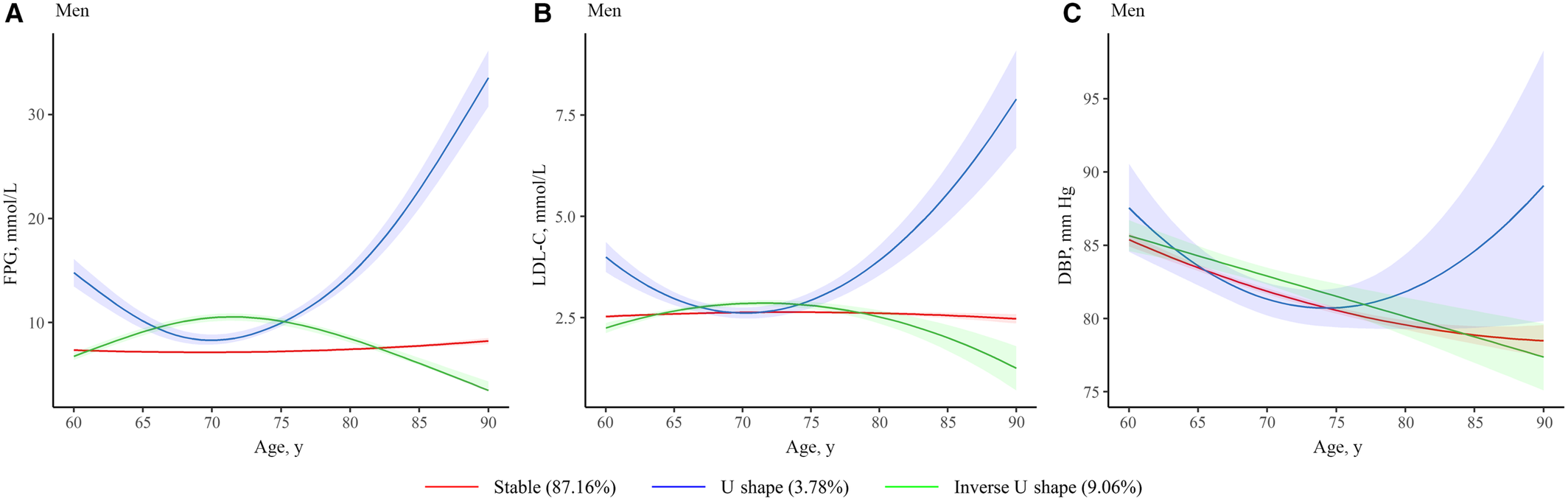
In a retrospective observational cohort study, researchers analyzed 27,288 Chinese patients aged 60 or older with type 2 diabetes. Each had at least three medical examinations from 2018 to 2023. Researchers grouped men and women separately by patterns in fasting blood sugar, “bad” cholesterol and blood pressure between heartbeats.
Most had stable patterns. Men also had falling-then-rising and rising-then-falling patterns; women had a rising-then-falling pattern. In men, the falling-then-rising pattern was linked to higher odds of heart and blood vessel disease, heart artery disease, stroke and diabetes-related kidney disease. The rising-then-falling pattern was linked to higher odds of diabetes-related kidney disease in men, and to heart artery disease and diabetes-related kidney disease in women.
Why it matters
For older Chinese patients with type 2 diabetes, the findings support identifying adverse patterns early and tailoring care to potentially reduce long-term complications.
Caveats
This observational study could not establish that the patterns caused complications or that changing them would prevent complications. The findings concerned Chinese adults aged 60 or older with type 2 diabetes.
The paper
Fudan University; Nanjing Municipal Center for Disease Control And Prevention
Journal of the American Heart Association, Oct 23, 2026, Open access