Frailty-inflammation pattern linked to higher heart risks
One-year cardiovascular risk was higher in the frailty-inflammation group than in the other group (adjusted hazard ratio 2.726, a measure of relative event rates).
Multicenter
Limit: Heart complications could change follow-up behaviors used to define the frailty-inflammation phenotype
Edited by Boris Djordjevic · AgingResearch.News
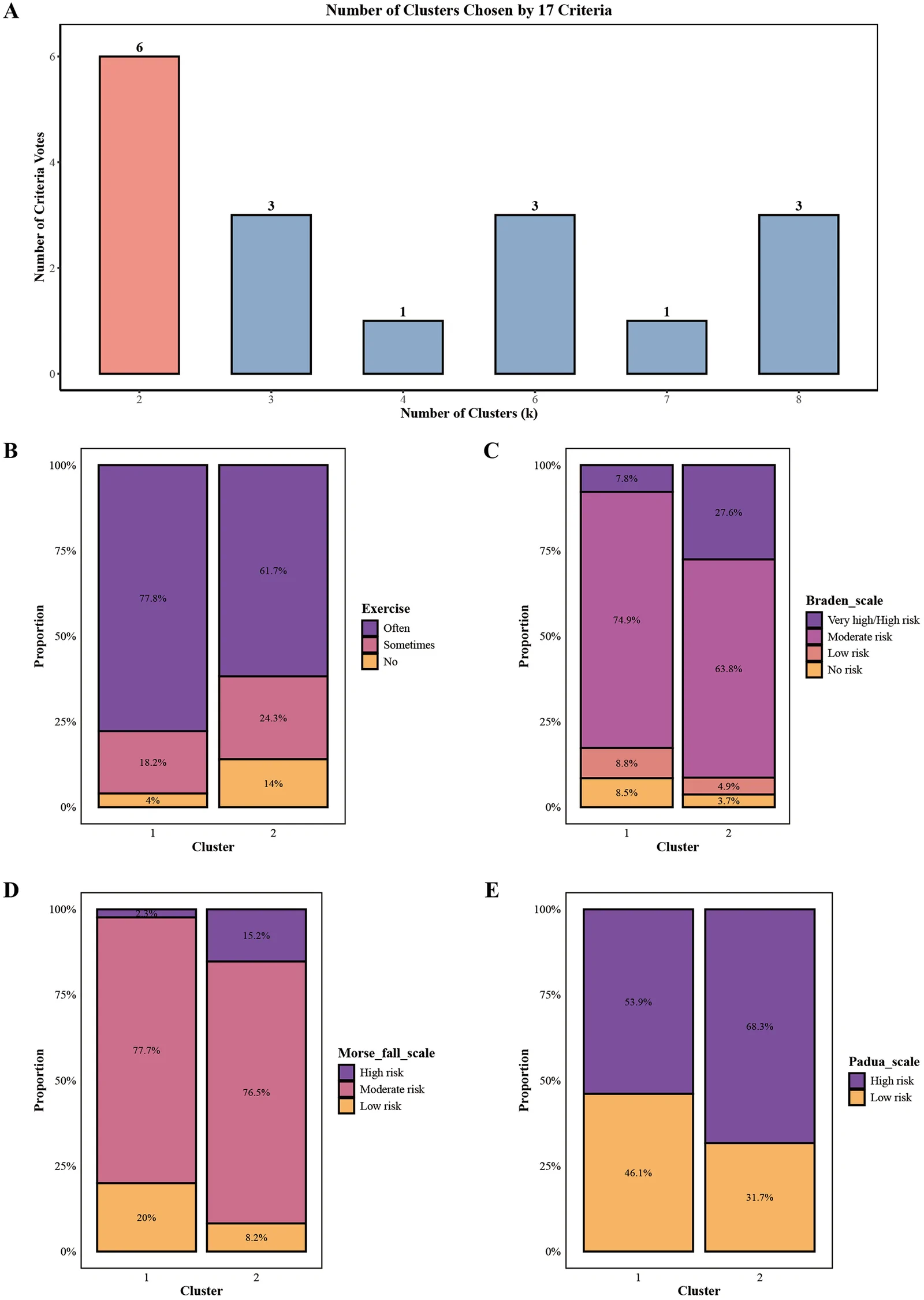
An observational study examined 1,139 patients with acute myocardial infarction, or heart attack, at the First Affiliated Hospital of Harbin Medical University. Researchers used machine learning to group patients by medical, biological and behavioral information. They then examined major heart and blood vessel events over one year.
They identified a group of 243 patients characterized by difficulty performing daily activities, higher risks of falls and pressure sores, higher levels of a blood marker of inflammation, and poor health behaviors. Membership in this “frailty-inflammation” group remained associated with higher risks of major cardiovascular events and death from any cause after adjustment for 17 prespecified factors. For death from any cause, the adjusted hazard ratio was 4.35 compared with the other group.
Why it matters
Frailty and inflammation are relevant to health in aging. The authors suggested that combining biological, functional and behavioral information may support earlier, more precise care after heart attack.
Caveats
This observational study at one hospital could not establish cause and effect or show that care guided by these profiles improved outcomes. The authors said independent validation was needed before routine clinical use.
From the paper
- Participants
A total of 1,139 patients with AMI were included in the final analysis.
- Follow-up
… and (6) Post-discharge health behaviors: during the 1-year follow-up, adherence to dietary control, physical activity, medication use, and scheduled follow-up visits was assessed using a structured questionnaire.
- Result
In the three-tier nested Cox models, Cluster 2 membership was associated with a markedly elevated risk of 1-year MACE in the unadjusted model (M1: HR = 4.17, 95% CI 3.237–5.371, P < 0.001).
Results, 3.2 Prognostic differences and risk associations of the identified clusters
Quoted word for word from the full text on frontiersin.org.
- Machine learning
- Inflammation
- Acute myocardial infarction
- Falls
- Major adverse cardiovascular events
- Humans
The paper
First Affiliated Hospital of Harbin Medical University; Harbin Medical University
Frontiers in Cardiovascular Medicine, Oct 9, 2026, Open access