Exercise mix linked to lower glucose in older type 2 diabetes patients
An exploratory analysis linked combined exercise to lower 24-hour average glucose than non-exercise days, with a model estimate of minus 0.513.
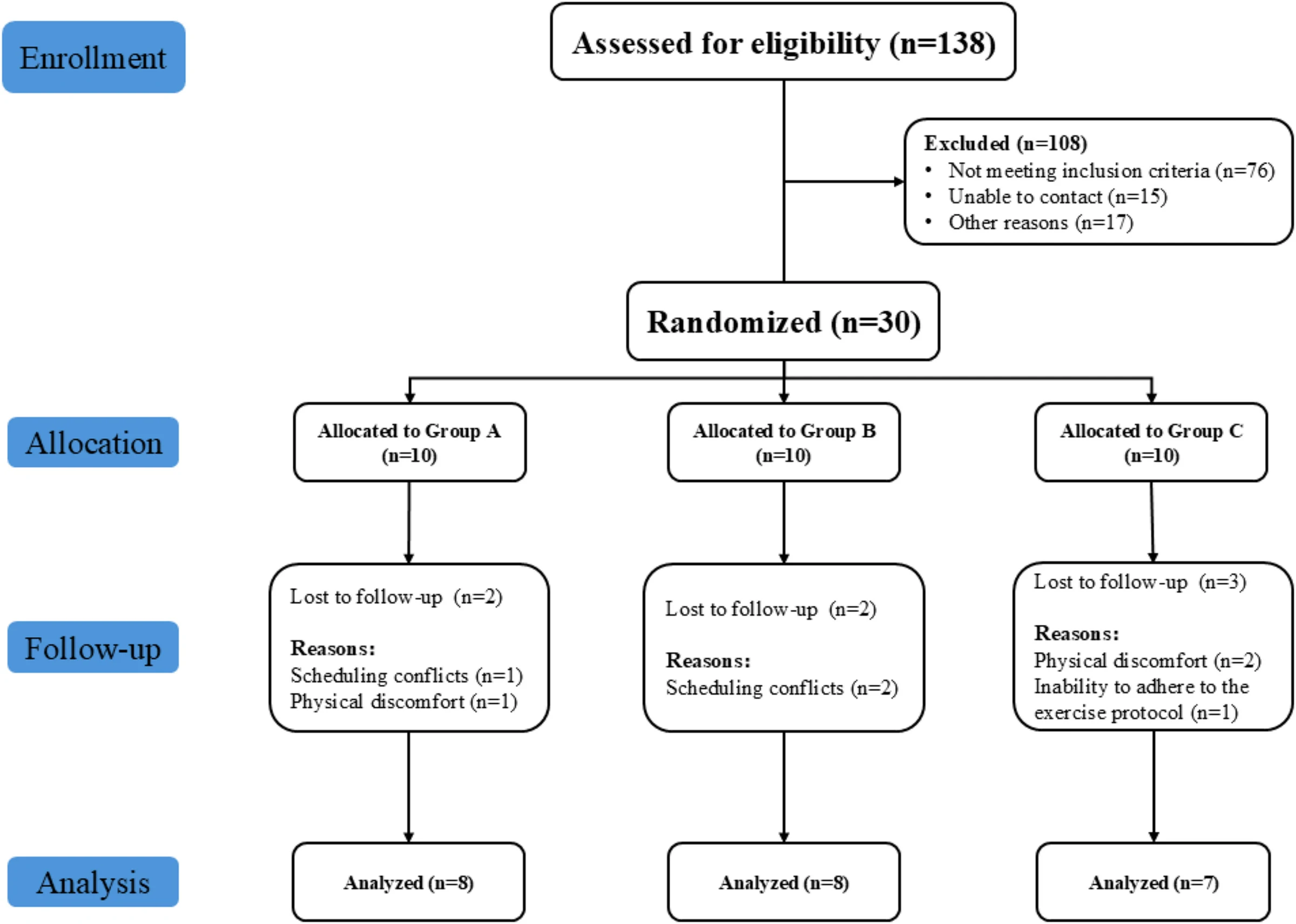
Limit: Only 23 completers entered the analysis, excluding people who did not finish every session
Edited by Boris Djordjevic · AgingResearch.News
Thirty older adults with type 2 diabetes enrolled in a randomized crossover trial comparing aerobic exercise, muscle-strengthening exercise with elastic bands, and both combined. Only the 23 who completed all three sessions entered the analysis. Researchers monitored glucose in the fluid between cells for 14 days. They used the average of four pre-exercise days as the non-exercise control.
Only combined exercise was associated with lower average glucose over 24 hours in an exploratory analysis. No other main comparison remained statistically significant after accounting for multiple comparisons. In secondary comparisons, combined exercise had more time in the target glucose range than aerobic exercise. Resistance exercise had a lower glucose-risk score than aerobic exercise.
Why it matters
The study addressed which exercise approaches might help with glucose control in later life. The authors suggested elastic-band resistance exercise may be a practical, low-cost option worth further study.
Caveats
The exploratory analysis included only 23 completers, using pre-exercise days as control, and did not test longer-term effects or populations beyond older adults with type 2 diabetes. The abstract did not specify units for the reported glucose estimate.
- Aerobic training
- Combined aerobic and resistance training
- Elastic band resistance training
- Type 2 diabetes
- 24-hour mean glucose
- Humans
The paper
Capital University of Physical Education and Sports
Journal of Science and Medicine in Sport, Oct 15, 2026, Open access