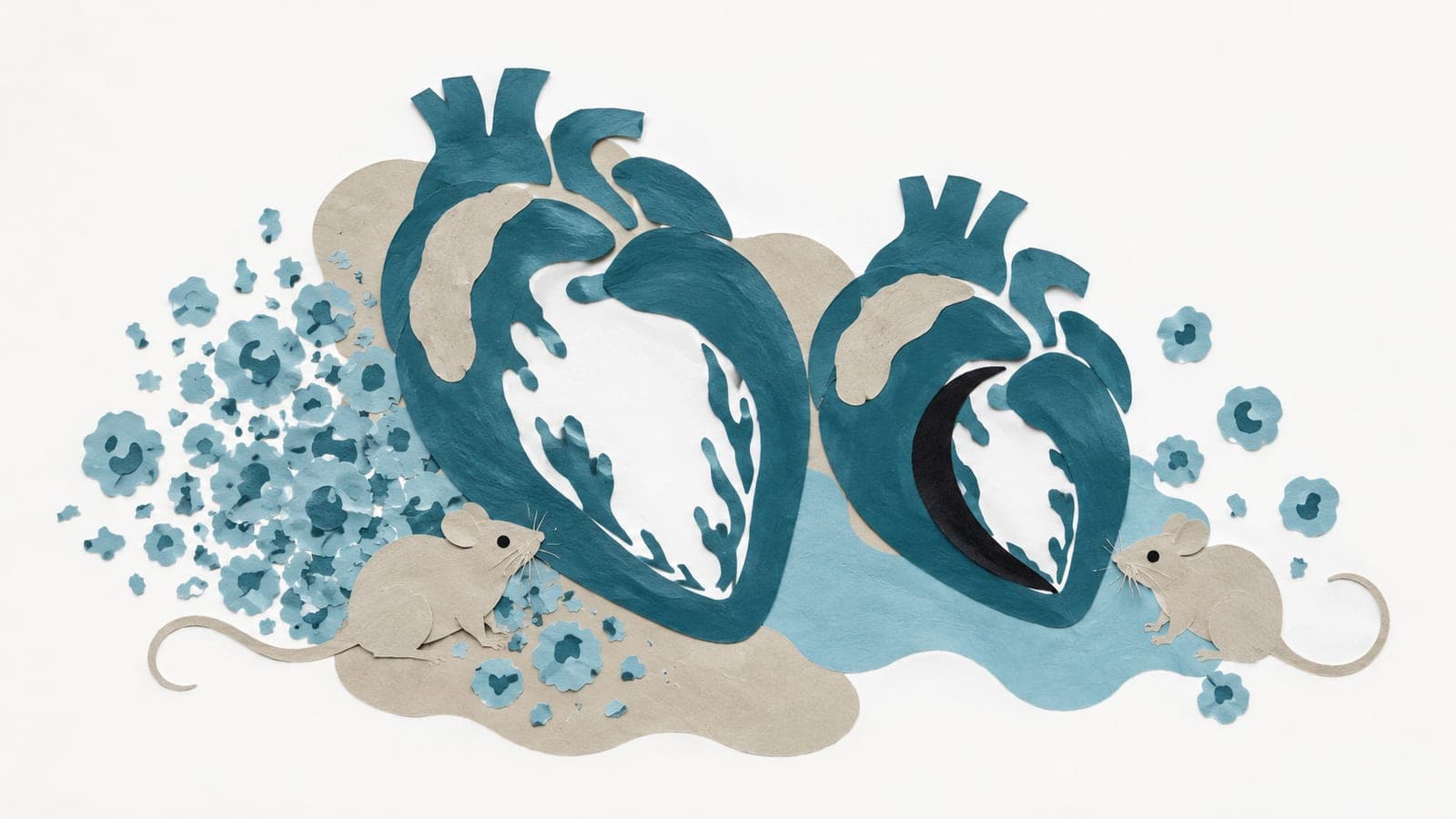
Raising taurine improves health during aging in mice
Experiments in aged mice found better health span and fewer deaths from sepsis and inflammation after researchers raised taurine levels.

Limit: The abstract omits details of how health span was measured
Edited by Boris Djordjevic · AgingResearch.News
In aged mice, researchers experimentally raised taurine levels and reported better health span—the time spent in good health. Raising taurine also reduced deaths from sepsis, a life-threatening response to infection, and inflammation driven by inflammasomes, protein complexes that trigger inflammation.
In macrophages, a type of immune cell, danger signals caused taurine to leave the cells as a step toward activating one type of inflammasome and triggering inflammatory cell death. Restoring taurine suppressed this activation. Reducing taurine production and availability worsened it. Separately, circulating taurine increased with age in humans and mice. In humans, sustained calorie restriction raised taurine in fat tissue and was accompanied by lower inflammation.
Why it matters
Inflammation that accompanies aging is a potential target for taurine-based strategies. The authors suggest these approaches may help alleviate age-related inflammation and disorders involving inflammasome activity.
Caveats
The health-span and mortality findings came from mouse experiments, not a human trial. The abstract gives no sample sizes, taurine doses, treatment duration or details of how health span was measured.