Women with suppressed HIV had longer life expectancy in the Bronx
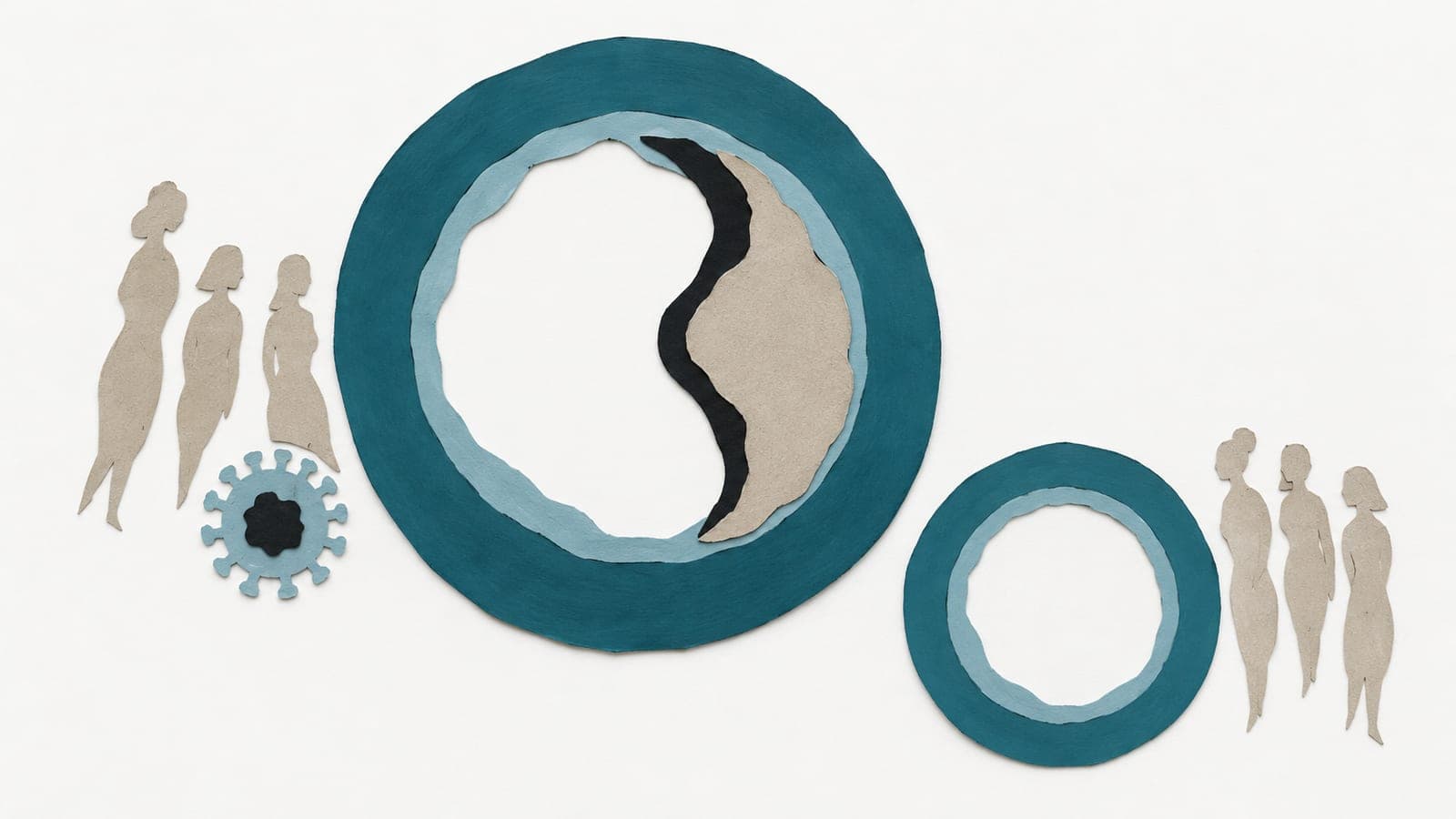
Women had approximately four more years of estimated life than comparable men after at least a year with HIV suppressed to very low levels.
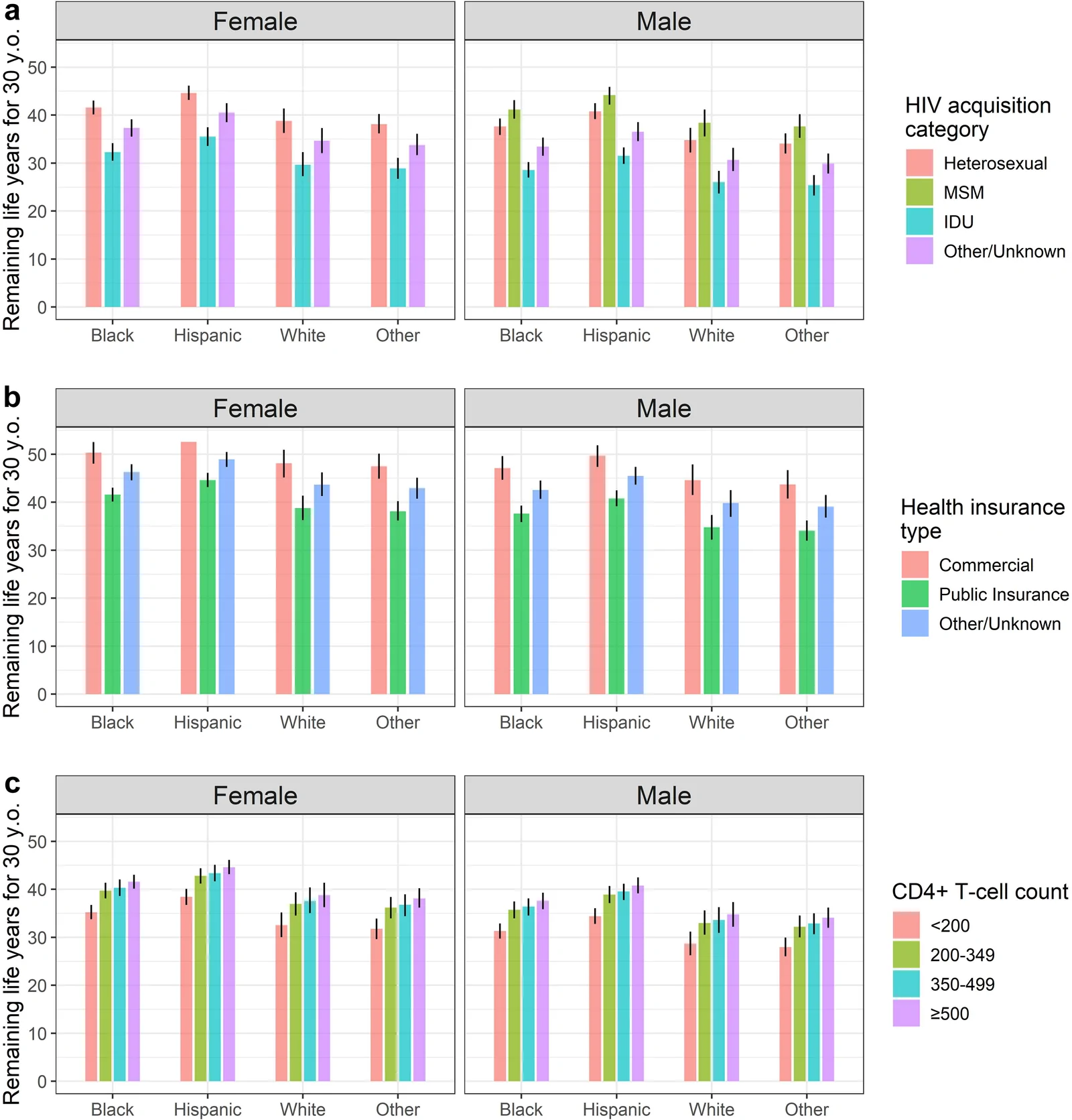
Limit: Life expectancy was modeled from age-specific death rates rather than observed over complete lifetimes
Edited by Boris Djordjevic · AgingResearch.News
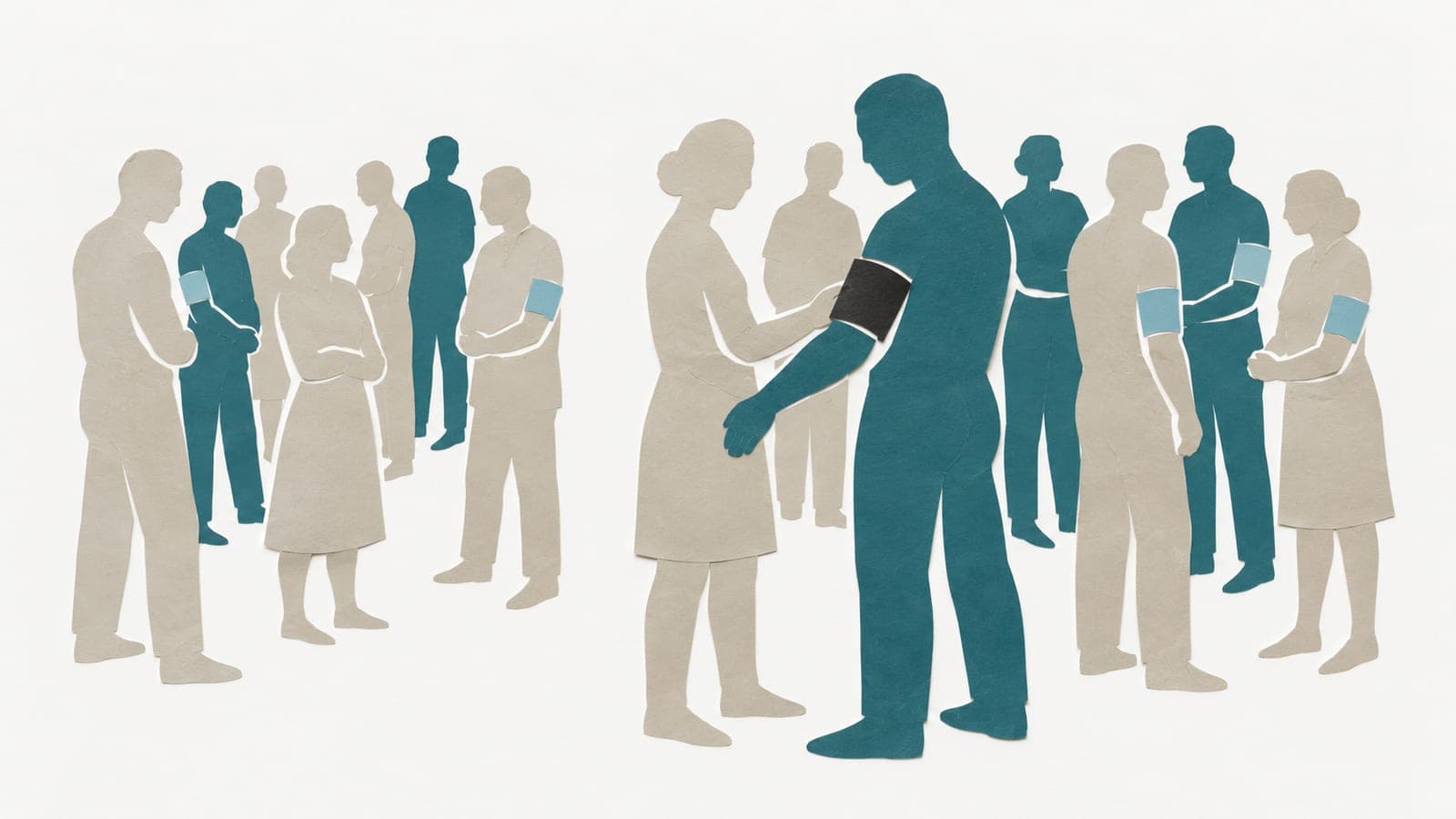
Researchers followed 9,999 people with HIV receiving care in the Bronx, New York, in an observational cohort study after they maintained very low virus levels for at least one year. The cohort included 4,075 women; 84% of participants were Black or Hispanic. Median follow-up lasted 10.7 years, and 2,675 people died.
Men had a 32% higher death rate than women. Researchers used death rates at different ages to estimate the years of life remaining at age 30. Women had an estimated lifespan approximately four years longer than comparable men, approaching the sex difference in the general population.
Why it matters
Understanding sex differences in longevity among people aging with HIV may help inform clinical care and public health priorities.
Caveats
The observational study could not establish what caused the sex difference. Its findings may not apply to people with unsuppressed HIV or those outside this Bronx care system.
The paper
Albert Einstein College of Medicine
Lancet Regional Health Americas, Oct 14, 2026, Open access