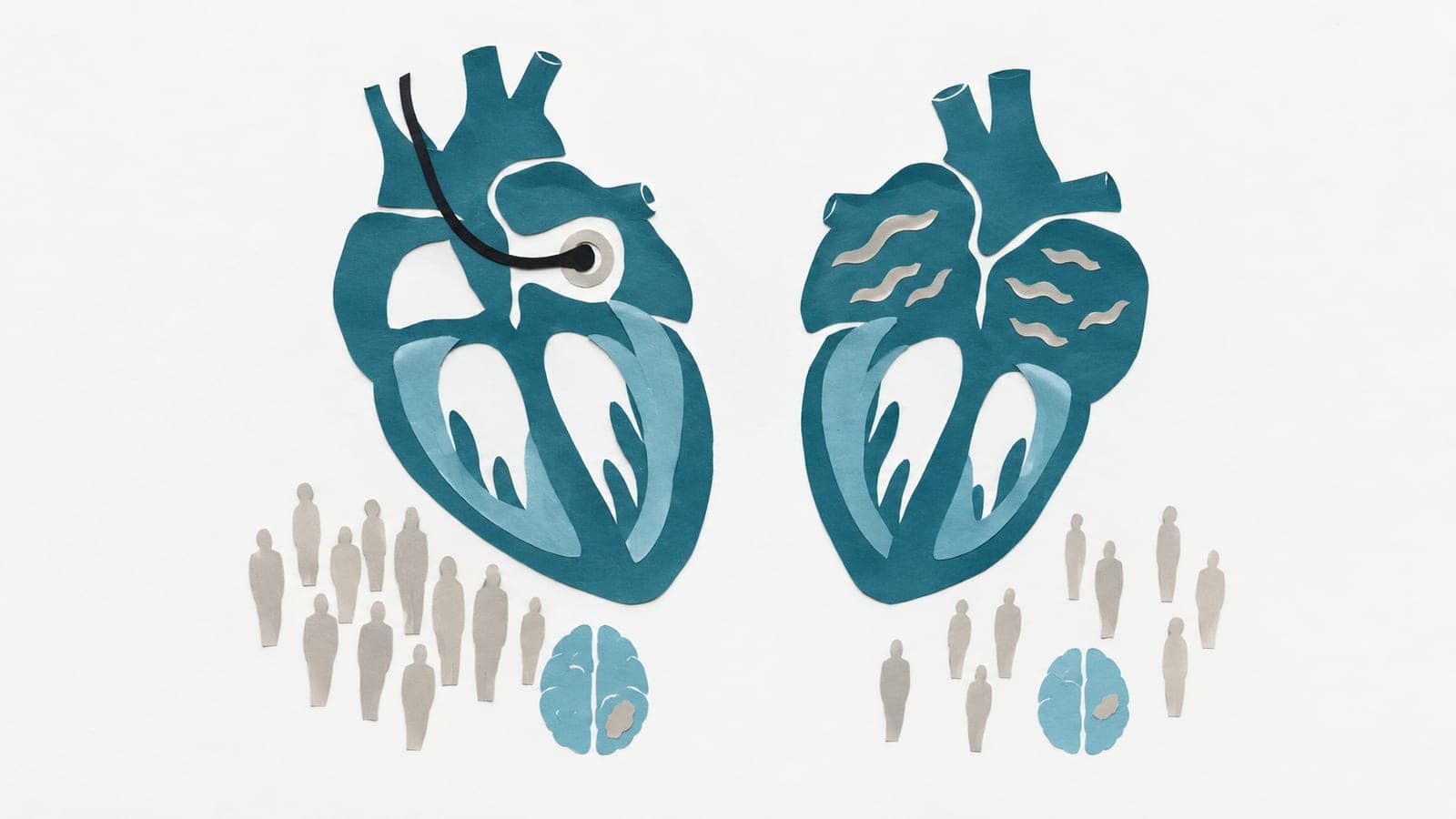
Early heart rhythm treatment linked to fewer repeat strokes or clots
Five-year hospitalization estimates for repeat stroke or clots elsewhere were 8.0% with early rhythm control versus 13.8% with usual care.
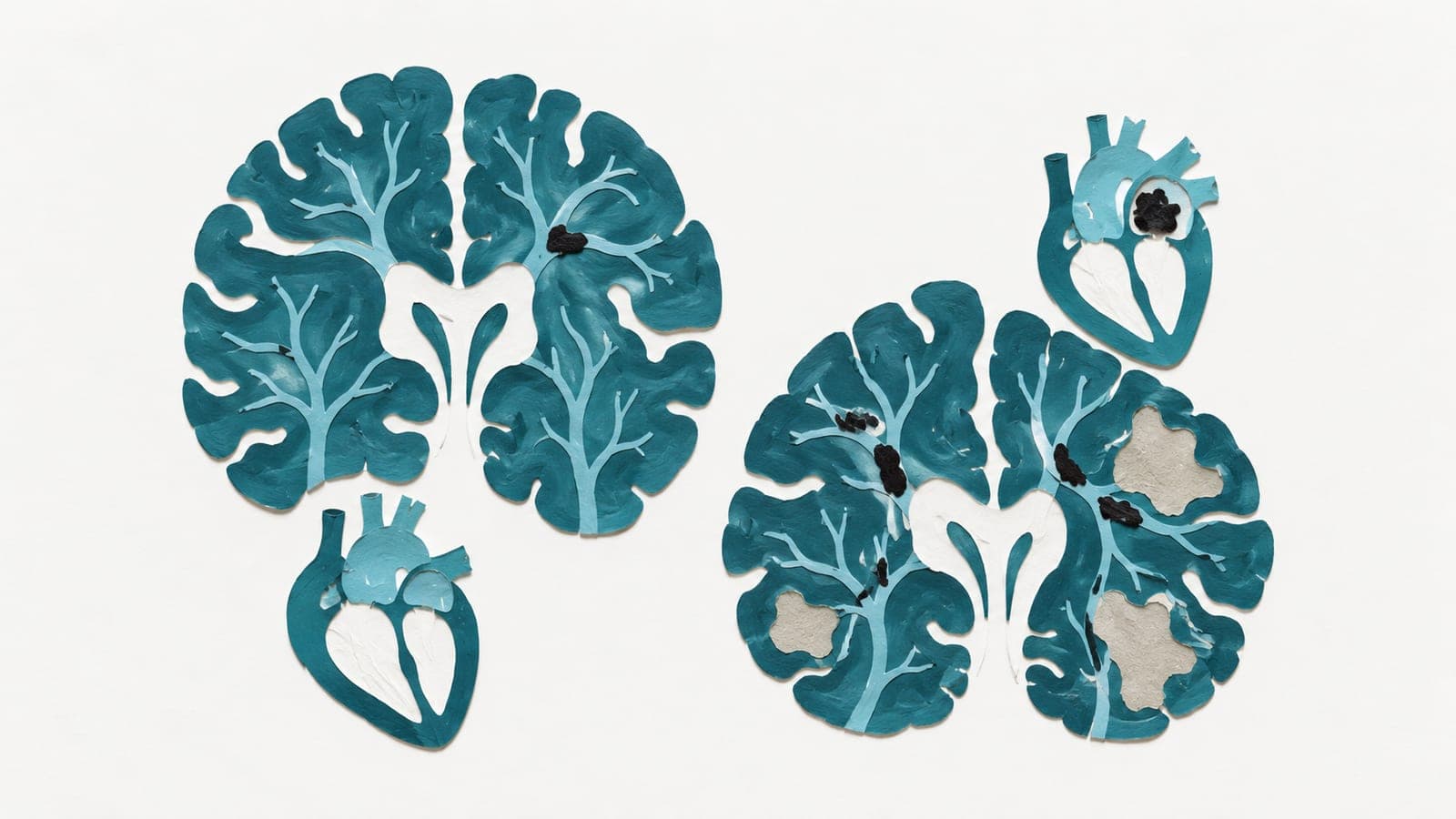
Limit: Only 268 patients received early rhythm control
Edited by Boris Djordjevic · AgingResearch.News
An observational cohort study included 14,355 adults in Japan hospitalized for a stroke caused by blocked blood flow who also had atrial fibrillation, an irregular heartbeat. Their median age was 83; 48.3% were women. All survived without a study event through eight weeks.
Within those eight weeks, 268 began rhythm control: drugs or procedures intended to restore a regular heartbeat. Researchers adjusted for measured differences between groups. Early rhythm control was associated with fewer hospitalizations for another stroke or clots blocking blood vessels elsewhere. Major bleeding showed no clear association. Its hazard ratio, a measure of relative event rates, was 1.44, with a range of likely values that included no difference.
Why it matters
The study addressed whether controlling heart rhythm might offer an additional way to prevent recurrent stroke in a largely older population.
Caveats
This observational study cannot establish cause and effect, and only 268 patients received early rhythm control. The uncertainty range for the five-year risk difference included no difference; the findings do not cover patients who died or had an event before eight weeks.