Childhood meat intake linked to better late-life thinking
Participants reporting almost daily childhood meat consumption scored 1.13 points higher on a later-life cognitive test than those reporting none or about once yearly.
Limit: Unmeasured childhood household wealth could explain the link between meat intake and thinking scores
Edited by Boris Djordjevic · AgingResearch.News
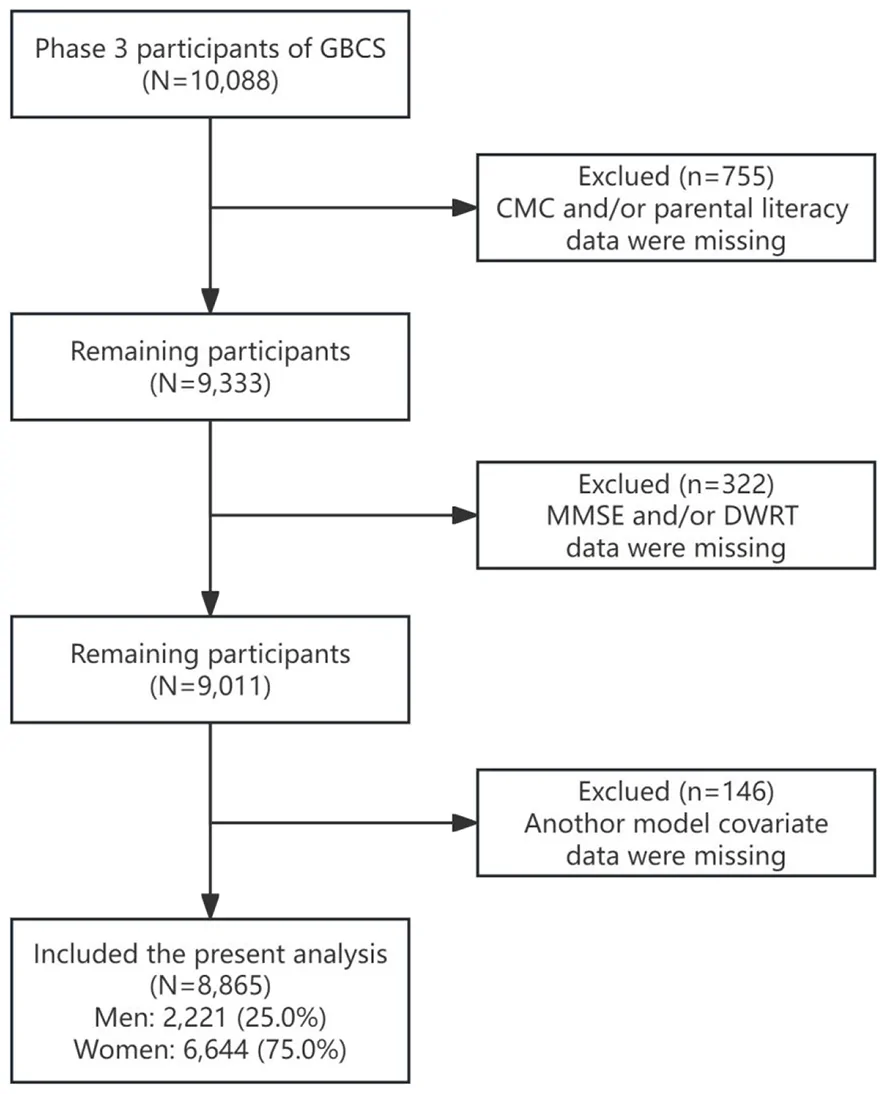
In an observational study, 8,865 people aged 50 and older with Guangzhou household registration reported how often they ate meat in childhood. Researchers assessed their thinking and memory with cognitive tests.
After accounting for sex, age and parental literacy, participants reporting almost daily childhood meat consumption scored 1.13 points higher on the Mini-Mental State Examination, a test of thinking skills, than those reporting none or about once a year. They also had lower odds of mild cognitive impairment, a mild decline in thinking or memory. The associations were stronger among participants with literate parents. A statistical analysis found that adult education accounted for 40% of the association between childhood meat consumption and scores on this test.
Why it matters
The authors suggest that improving early-life nutrition and educational attainment may help delay or prevent cognitive impairment in later adulthood.
Caveats
This observational analysis cannot show cause and effect, and participants self-reported their childhood diet. The findings may not apply to populations outside adults aged 50 and older with Guangzhou household registration.
From the paper
- Participants
Among the 8,865 participants, 131 (1.5%) were identified as potential outliers and 59 (0.7%) as high-leverage points.
- Result
Participants whose parents were literate showed a significant association of CMC with lower odds of MCI ( OR = 0.45, 95% CI: 0.38–0.54), but those whose parents were illiterate showed no significant association ( OR = 0.87, 95% CI: 0.65–1.17).
Quoted word for word from the full text on frontiersin.org.
- Childhood meat consumption
- Adult education
- Mini-Mental State Examination
- Mild cognitive impairment
- Delayed 10-word recall test
- Humans
The paper
Twelfth Guangzhou City People's Hospital
Frontiers in Public Health, Oct 5, 2026, Open access


