Personalized phone advice showed limited benefit in older adults
The hazard ratio for death—a comparison of death rates over time—was 0.66 for personalized versus general advice, with no clear difference.
Registered NCT04321928
Limit: Self-reported lifestyle changes were vulnerable to reporting bias
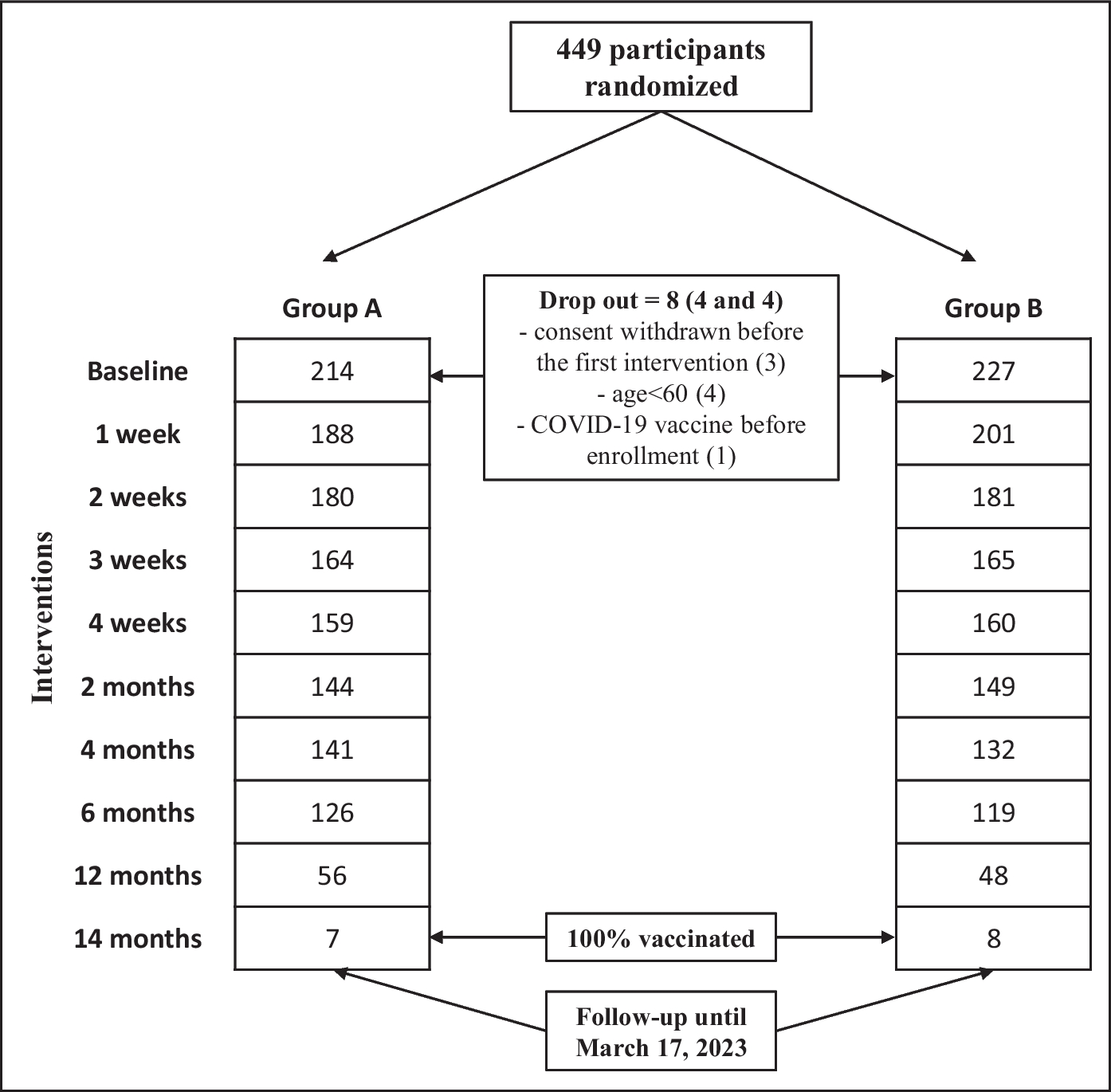
A randomized trial in Hungary analyzed 441 adults aged 60 or older who received either general or personalized lifestyle advice by telephone. The advice covered mental health, smoking, physical activity, diet and alcohol use. Researchers assessed deaths from any cause instead of the planned combined measure of COVID-19 severity because of infection rates.
Personalized advice did not clearly reduce deaths, and the uncertainty range included no difference. Several lifestyle behaviors improved over time, but personalization added little benefit. Among participants who drank alcohol at the outset, personalized advice led to a greater reduction in estimated consumption than general advice. However, body mass index, a weight-to-height measure, increased in the personalized group among participants with obesity.
Why it matters
Older adults face a higher risk of severe COVID-19. The trial addressed whether tailoring lifestyle support could improve health outcomes in this population during the pandemic.
Caveats
Participants knew their assigned group, and the mortality analysis differed from the planned COVID-19 severity outcome. The findings concern adults aged 60 or older during the pandemic in Hungary.
From the paper
- Participants
A total of 441 participants were included in the study, with 214 assigned to group A (general) and 227 to group B (personalized).
- Result
Using a Cox proportional hazards model, the HR comparing arm B to arm A was 0.66 (95% CI: 0.28–1.53), favoring arm B; however, the result did not reach statistical significance.
Results, Survival analysis and COVID-19 infections during follow-up
- Limitation
Several outcomes were self-reported, and COVID-19–specific mortality and potentially mild infections could not be reliably captured.
Quoted word for word from the full text on link.springer.com.

