Qualitative Exit Interviews to Characterize the Positive Treatment Experiences of Patients in the Phase III Trial of Orforglipron Versus Oral Semaglutide for the Treatment of Type 2 Diabetes
Multicenter, registered NCT06045221
Abstract
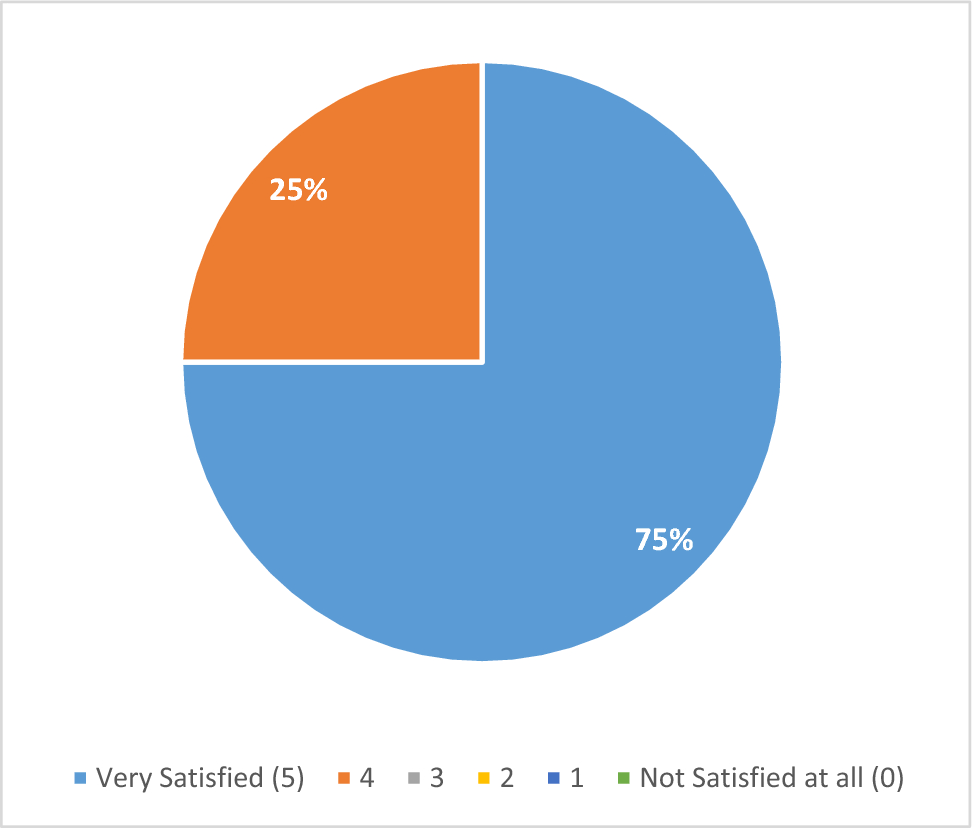
BACKGROUND AND OBJECTIVE: There is an unmet need for effective and well-tolerated oral formulations of glucagon-like peptide 1 receptor agonists for the management of type 2 diabetes. Orforglipron and oral semaglutide are two oral glucagon-like peptide 1 receptor agonists evaluated in the ACHIEVE-3 clinical trial (NCT06045221). These novel treatments have the means to achieve clinically meaningful glycemic control and weight reduction, which may result in substantial positive changes in patients' daily lives. The objective of this study was to conduct exit interviews following the ACHIEVE-3 trial to characterize positive treatment experiences and outcomes, beyond glycated hemoglobin and weight reduction, reported by patients living with type 2 diabetes who received oral glucagon-like peptide 1 receptor agonist-based treatments. METHODS: Qualitative interviews were conducted across ten clinical sites within the USA with patients who had enrolled in ACHIEVE-3 and completed at least 3 months of treatment. Interviews were conducted in English or Spanish, audio-recorded, and transcribed. Transcripts were analyzed to identify and categorize positive treatment benefits reported during the interviews. Descriptive statistics were used to characterize the sample. RESULTS: Sixty patients completed the qualitative exit interviews. Patients had a mean age of 59.1 years (standard deviation [SD] = 10.3), and almost half were female (n = 28, 46.7%). Patients had been diagnosed with type 2 diabetes for a mean of 8.5 years (SD = 5.7). By the end of the study, patients reduced their glycated hemoglobin by 1.6% (SD = 1.3) from a baseline of 8.3% and lost a mean of 4.7 kg (SD = 6.8) from a baseline of 96.0 kg. All patients reported being satisfied with the trial medication (n = 59/59), were likely to recommend the treatment to other patients, and all but one were willing to continue taking the medication. As expected, the two most important and most frequently reported positive changes were controlled glycated hemoglobin (n = 53, 88.3%) and weight reduction (n = 50, 83.3%). Other common spontaneously reported positive concepts included increased perceived energy (n = 28, 46.7%), reduced appetite and cravings (n = 23, 38.3%), improved exercise/movement (n = 18, 30.0%), and psychological improvements (n = 18, 30.0%). Additional positive changes included increased confidence/self-esteem, improved diet and eating habits, improved sleep, and improved or a lack of deterioration in vision. All reported positive changes were considered meaningful by patients. CONCLUSIONS: The current study explored the positive experiences of patients taking an oral glucagon-like peptide 1 receptor agonist in the ACHIEVE-3 trial beyond traditional clinical benefits, such as glycemic control and weight reduction. The positive changes identified may be suitable targets for future clinical trial clinical outcome assessment endpoint strategies to help differentiate treatments and in clinical practices to classify patients' experiences.


