Clinical analysis of 369 deaths within 30 days following surgical treatment of proximal femur fracture
Abstract
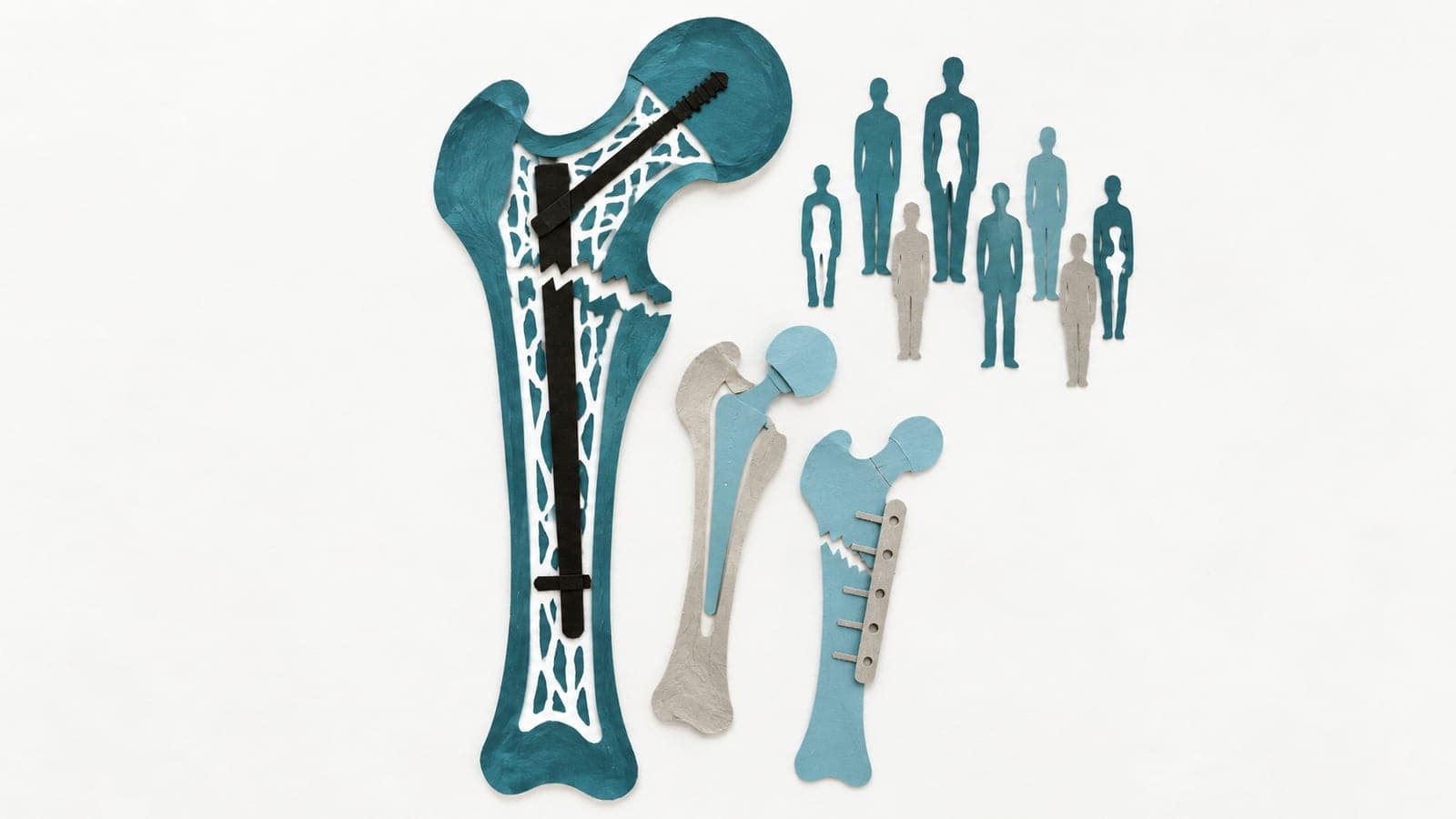
BACKGROUND: The 30-day mortality rate after surgical treatment of proximal femur fractures (PF) is reported in the literature to be up to 10%. Clinical studies in German-speaking countries on the suspected causes or underlying diagnoses have not yet been available, which is the reason for this study. MATERIALS AND METHODS: The retrospective single-center cohort study is based on a database that records PF. Patients who died within 30 days postoperatively between 2006 and 2025 were included. The primary study endpoint was the causes of death, as documented in the final discharge summary. The secondary study endpoint was a descriptive analysis of deaths occurring within 24 h (day 0) postoperatively, as well as an assessment of variables associated with mortality between postoperative days 1-15 and days 16-30. RESULTS: The overall cohort comprised 5431 patients with PF. Of these, 369 patients (6.8%) died within 30 days. The mean age was 85.2 years (53-101 years). Compared with the preceding 5‑year periods, the mortality rate decreased significantly in the last period (2021-2025; p = 0.007). The causes of death were respiratory (n = 105) and cardiovascular events (n = 54), multiorgan failure (n = 44), palliative condition (n = 32), renal events (n = 23), acute gastrointestinal diseases (n = 24), cerebral events (n = 15), periprosthetic infection including sepsis (n = 2), and other causes (n = 3). In 67 individuals, the cause of death was unclear. Within 24 h (day 0), 29 patients died, of whom n = 11 died from bone cement embolism or fat embolism syndrome. Five patients died in the operating room. More patients died between days 1 and 15 compared with the second half of the observation period (n = 216 vs. n = 124; p = 0.001), particularly during the first week (n = 145). In the first half, more women (p = 0.016) and patients treated with joint arthroplasty (p = 0.002) also died. All other variables were not statistically significant. With regard to the causes of death, both groups showed a similar distribution (p = 0.056). CONCLUSION: In our cohort of patients with PF, the first postoperative week was the most vulnerable period for death. The causes of death provide an approximation to this previously largely overlooked topic, but they are consistent with registry or autopsy data. Over the 20-year analysis, mortality most recently declined significantly. EVIDENCE: III; retrospective cohort study.
The paper
Klinik für Unfallchirurgie
Unfallchirurgie, 15 Oct 2026