Pelvic fractures linked to greater frailty in older adults
In a nationwide cohort of 7,120 Dutch adults aged 50 and older, pelvic fractures were frailer overall, while mortality was similar to acetabular fractures.
Osteoporosis International
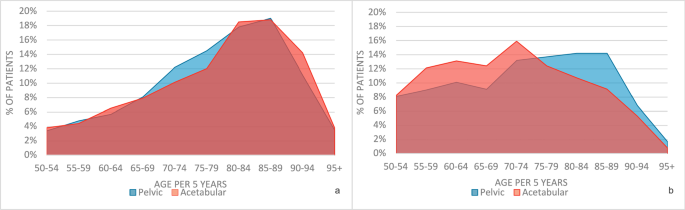
In Dutch adults aged 50 and older, pelvic fractures were more closely linked to frailty and osteoporosis than acetabular fractures, while mortality was similar. Researchers used national claims and population records to study 7,120 people diagnosed in 2019: 6,091 with pelvic fractures and 1,029 with acetabular fractures.
Pelvic fracture patients were older on average, at 77 versus 74 years, and more often female, at 79% versus 36%. They had higher pre-injury rates of osteoporosis, connective tissue disease and polypharmacy. Acetabular fractures showed higher rates of hospital admissions (53% versus 35%), surgical treatment (28% versus 4.4%) and complication-related readmission (9.7% versus 1.8%), most evident in male patients. New major fracture rates (6.6% versus 8.4%) and 1-year mortality rates (15% versus 17%) were comparable. The link to frailty and osteoporosis was most apparent in females.
Why it matters
The findings support distinguishing pelvic from acetabular fractures in research and clinical care. They also support reconsidering whether pelvic fractures should be classified as major osteoporotic fractures.
Caveats
This retrospective observational study used claims and population records, so the associations cannot establish causation. It evaluated adults aged 50 and older diagnosed in the Netherlands during a single calendar year.
The paper
Show 3 more authors
J P van den Bergh, F W Bloemers, D van Embden,Amsterdam University Medical Center
Osteoporosis International · 5 Oct 2026