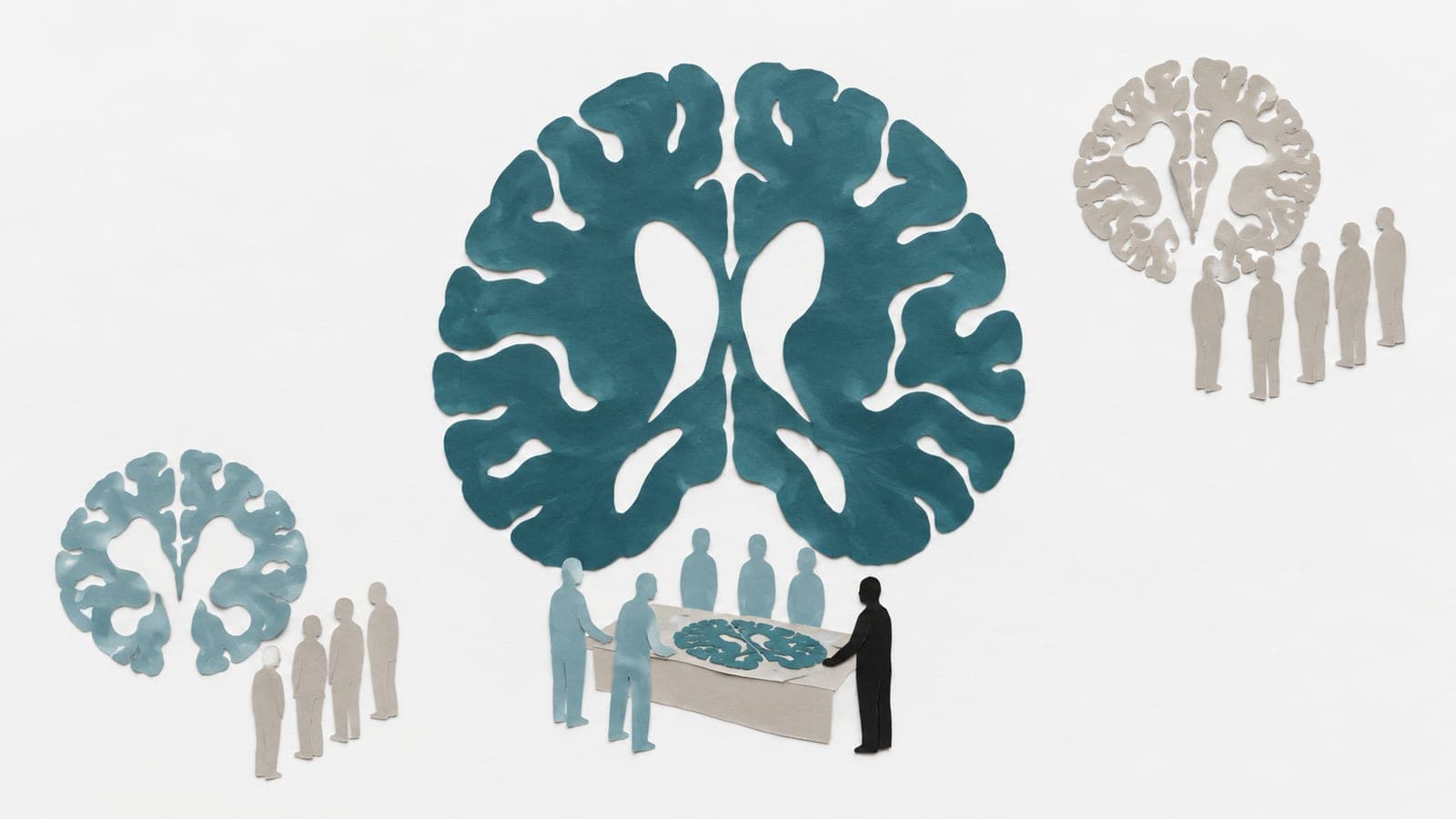
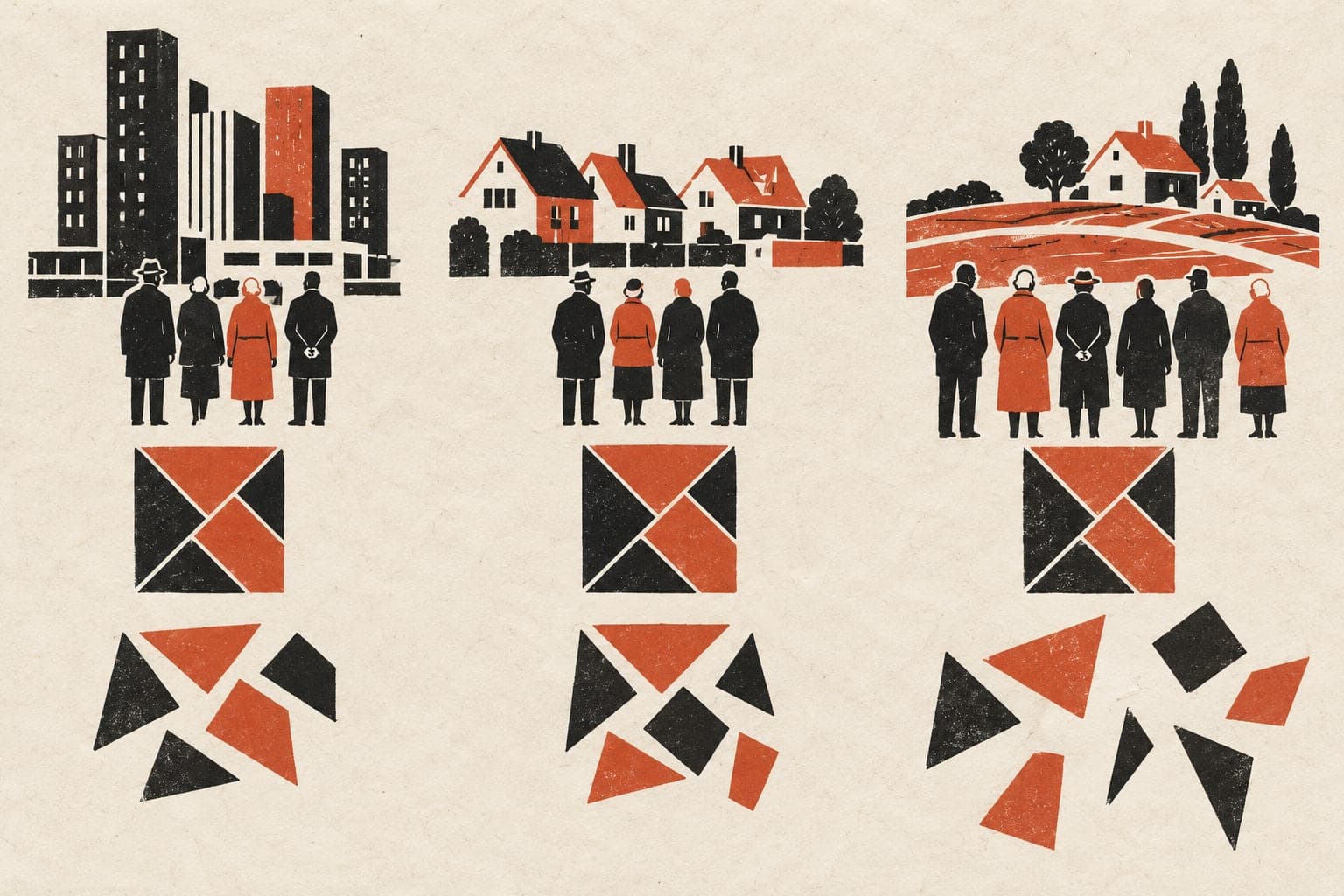
Dementia risk estimates varied with classification method
Estimated dementia rates ranged from 26.5 to 62.8 cases per 1,000 person-years across four classification methods applied to adults aged 70 and older.
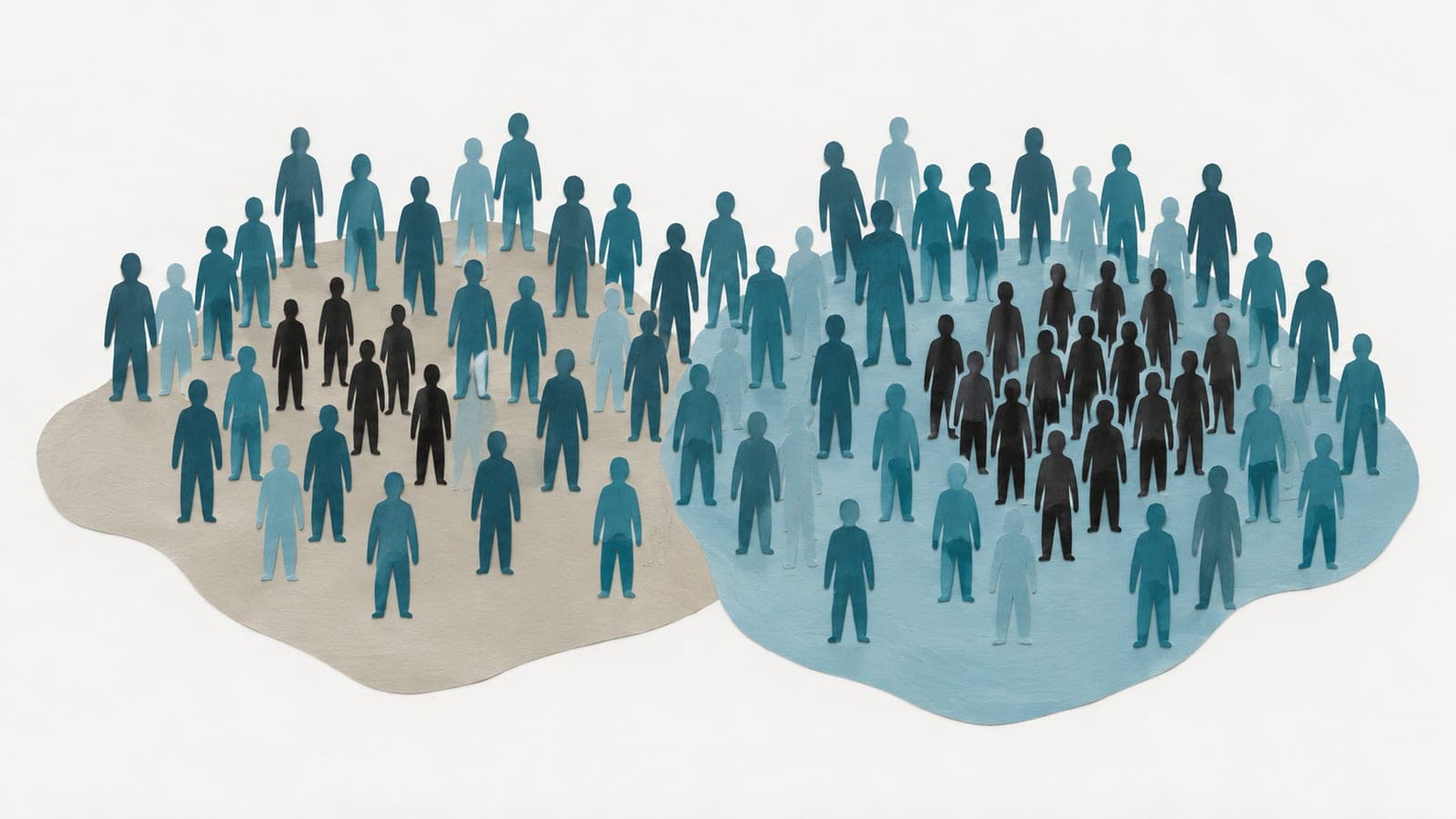
In adults aged 70 and older in the Health and Retirement Study, an observational analysis compared four methods for classifying dementia between 2010 and 2020. The methods used measures of thinking ability, daily functioning and health. Each defined a separate sample without dementia in 2010, ranging from 5,751 to 6,556 participants. Researchers followed participants until their first dementia classification, death or the end of observation.
Estimated dementia rates ranged from 26.5 with the Hudomiet method to 62.8 with the Expert method per 1,000 person-years. Person-years add up the time each participant was followed. Links between dementia and education or race also varied substantially across methods. Differences were less pronounced for health-related risk factors.
Why it matters
For research on dementia in older age, the findings support checking whether conclusions about risk factors hold across several classification methods.
Caveats
The outcomes were algorithm-based classifications, not gold-standard clinical diagnoses tracked over time. The samples covered adults aged 70 and older, not younger people.
The paper
University of Southern California
American Journal of Epidemiology, 15 Oct 2026