Longitudinal changes in postoperative physical activity are associated with psychosocial and functional recovery after hip fracture surgery
Abstract
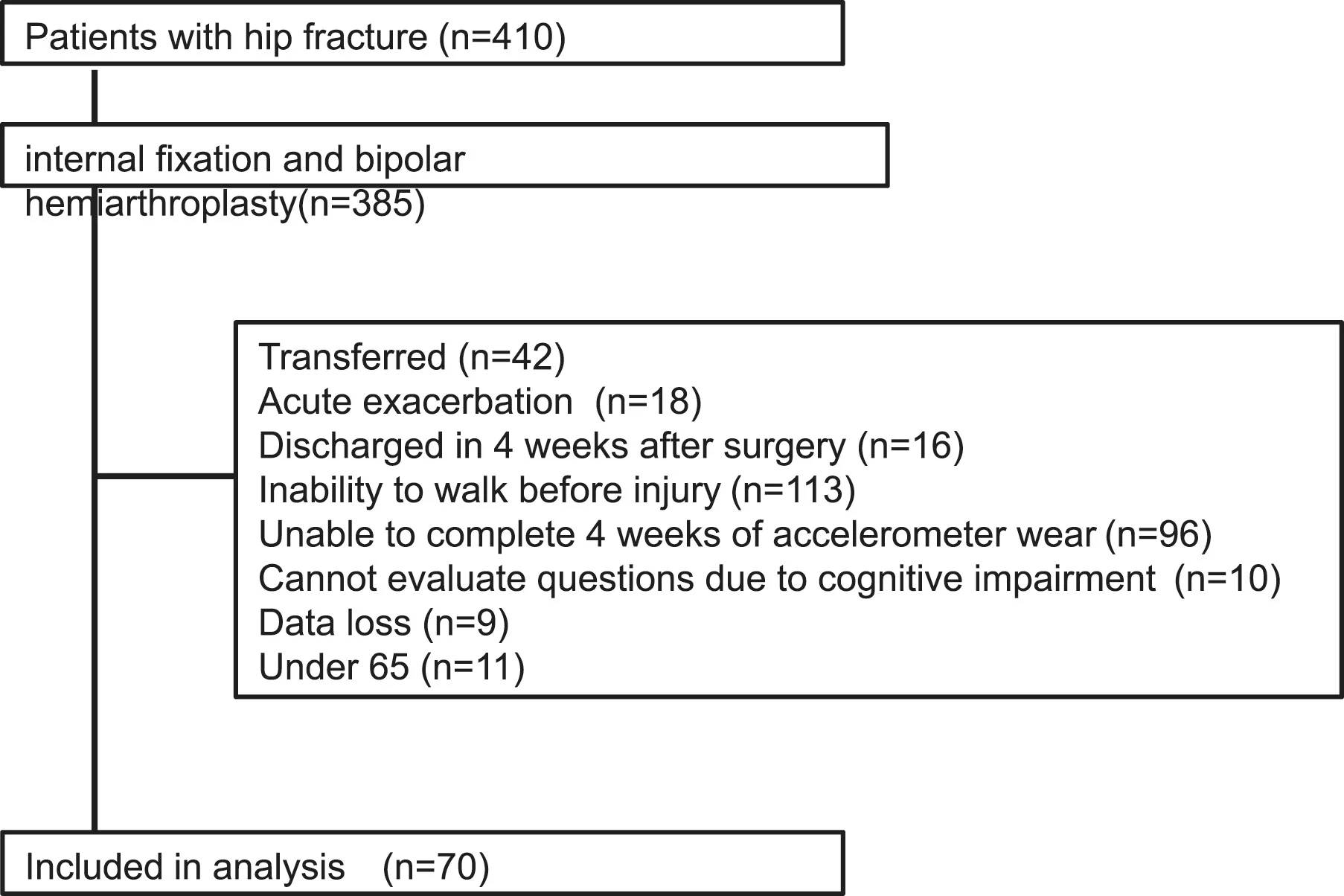
BackgroundPhysical activity is markedly reduced after hip fracture surgery, but the clinical relevance of changes in physical activity during postoperative recovery remains unclear. This study investigated whether the rate of change in physical activity during the 1-4 postoperative weeks was independently associated with clinical outcomes at discharge.MethodsThis prospective observational cohort study included 70 patients after hip fracture surgery. Physical activity was measured using an accelerometer, and the slope of weekly mean physical activity over postoperative weeks 1-4 was calculated using simple linear regression. Multivariable linear regression analyses examined associations between the physical activity slope and discharge outcomes, adjusting for age, sex, pre-admission Tokyo Metropolitan Institute of Gerontology Index of Competence, period from surgery to walking initiation, and physical activity at postoperative week 1. Multivariable logistic regression examined decline in walking ability from before admission to discharge.ResultsA greater physical activity slope was independently associated with higher physical activity at discharge (β = 0.27), lower Geriatric Depression Scale scores (β = -0.29), longer 6-minute walk distance (β = 0.33), and higher motor Functional Independence Measure scores (β = 0.29) (all p < 0.05). The physical activity slope was not independently associated with pain intensity, pain catastrophizing, fear of falling, handgrip strength, five-times sit-to-stand, or Timed Up and Go. A greater physical activity slope was also associated with lower odds of decline in walking ability (odds ratio = 0.13, 95% confidence interval = 0.02- 0.89, p = 0.01).ConclusionGreater increases in physical activity during the 1-4 postoperative weeks were independently associated with fewer depressive symptoms, greater exercise tolerance, better activities of daily living, and lower odds of decline in walking ability at discharge. Monitoring longitudinal changes in physical activity may help identify patients with limited recovery and support individualized postoperative rehabilitation.
The paper
Nagasaki University
Journal of Orthopaedic Surgery, 14 Oct 2026, Open access