Education as a proxy for cognitive reserve, and its moderating role in the amyloid-cognition relationship across the Alzheimer's disease continuum: A systematic review and meta-analysis
Abstract
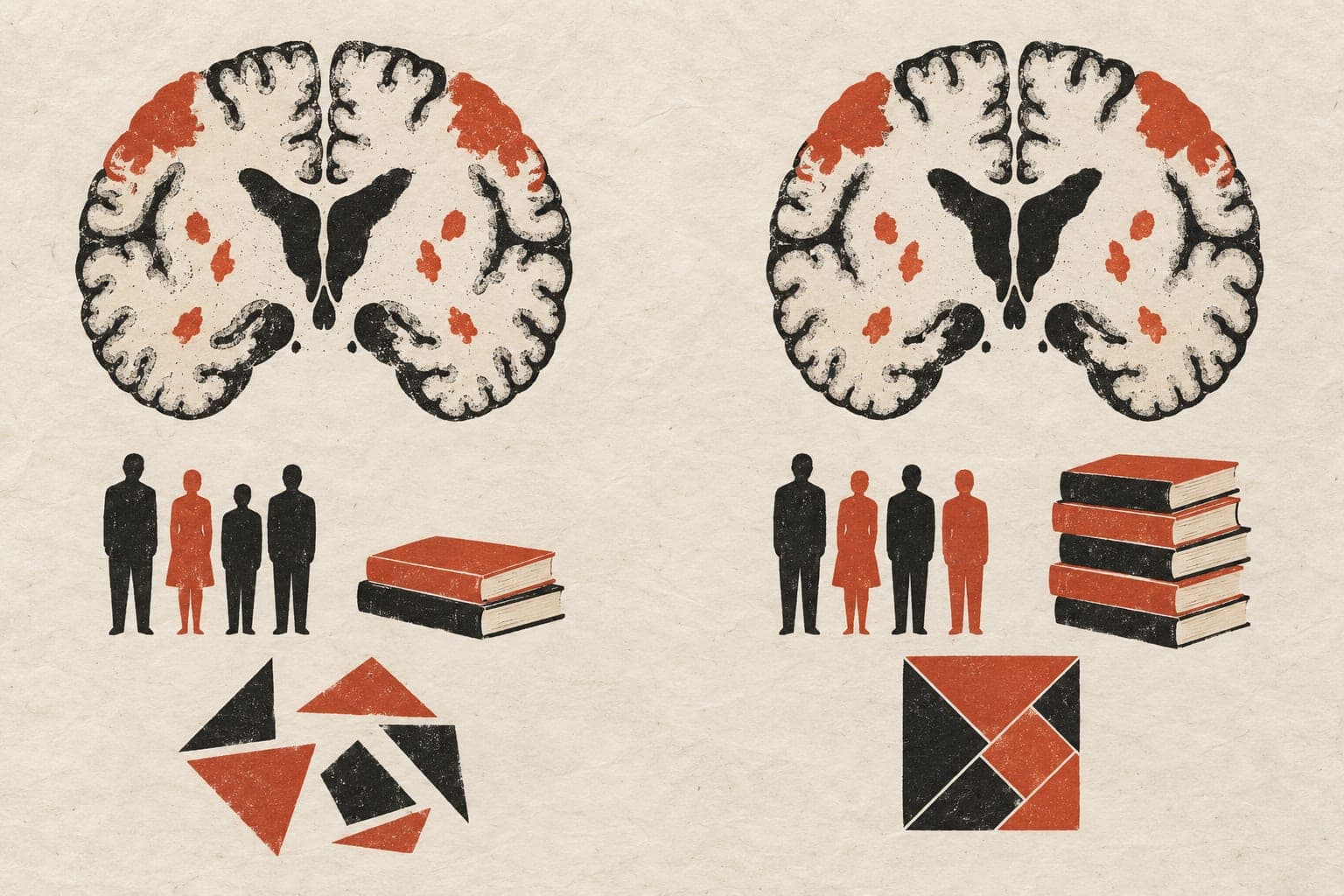
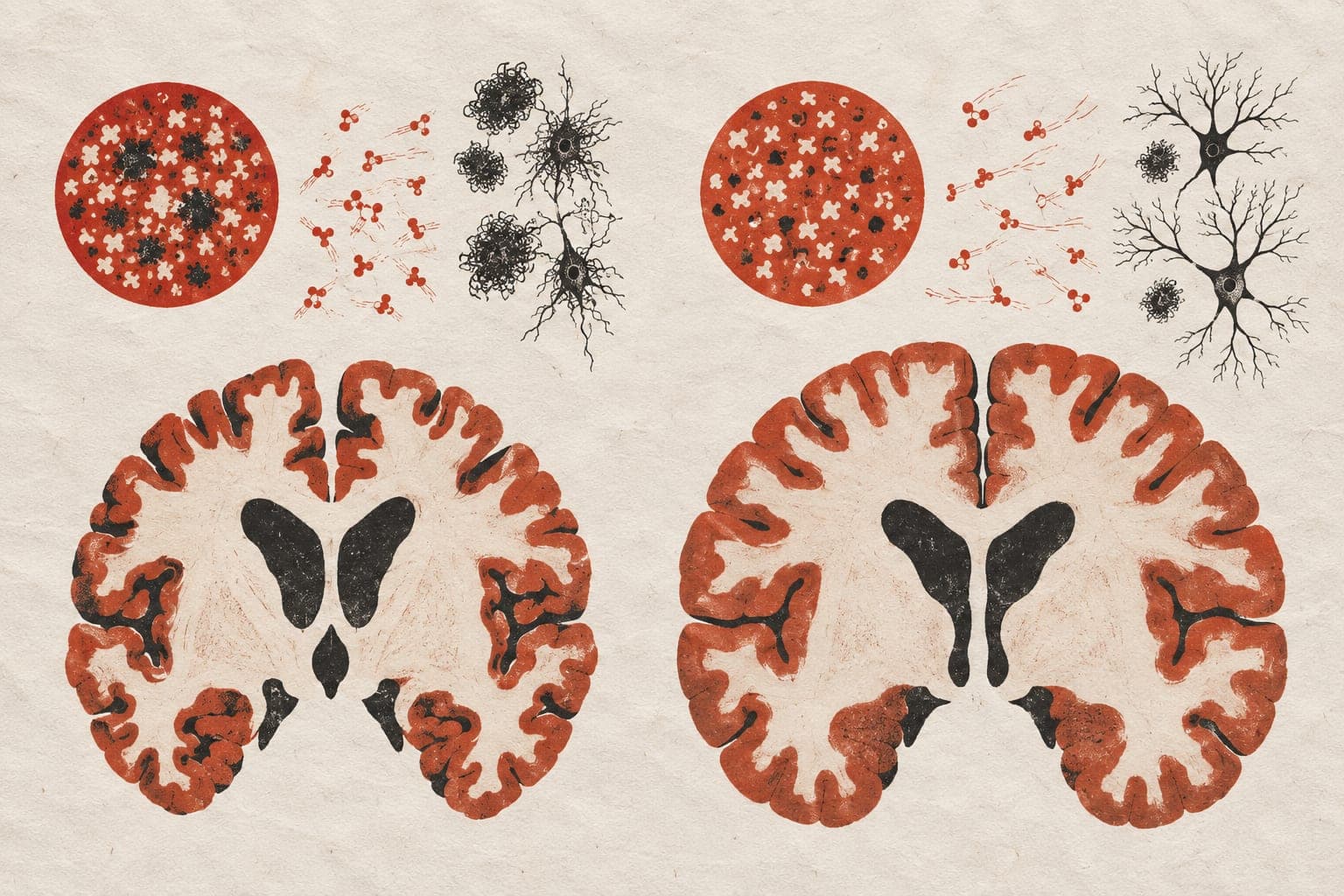
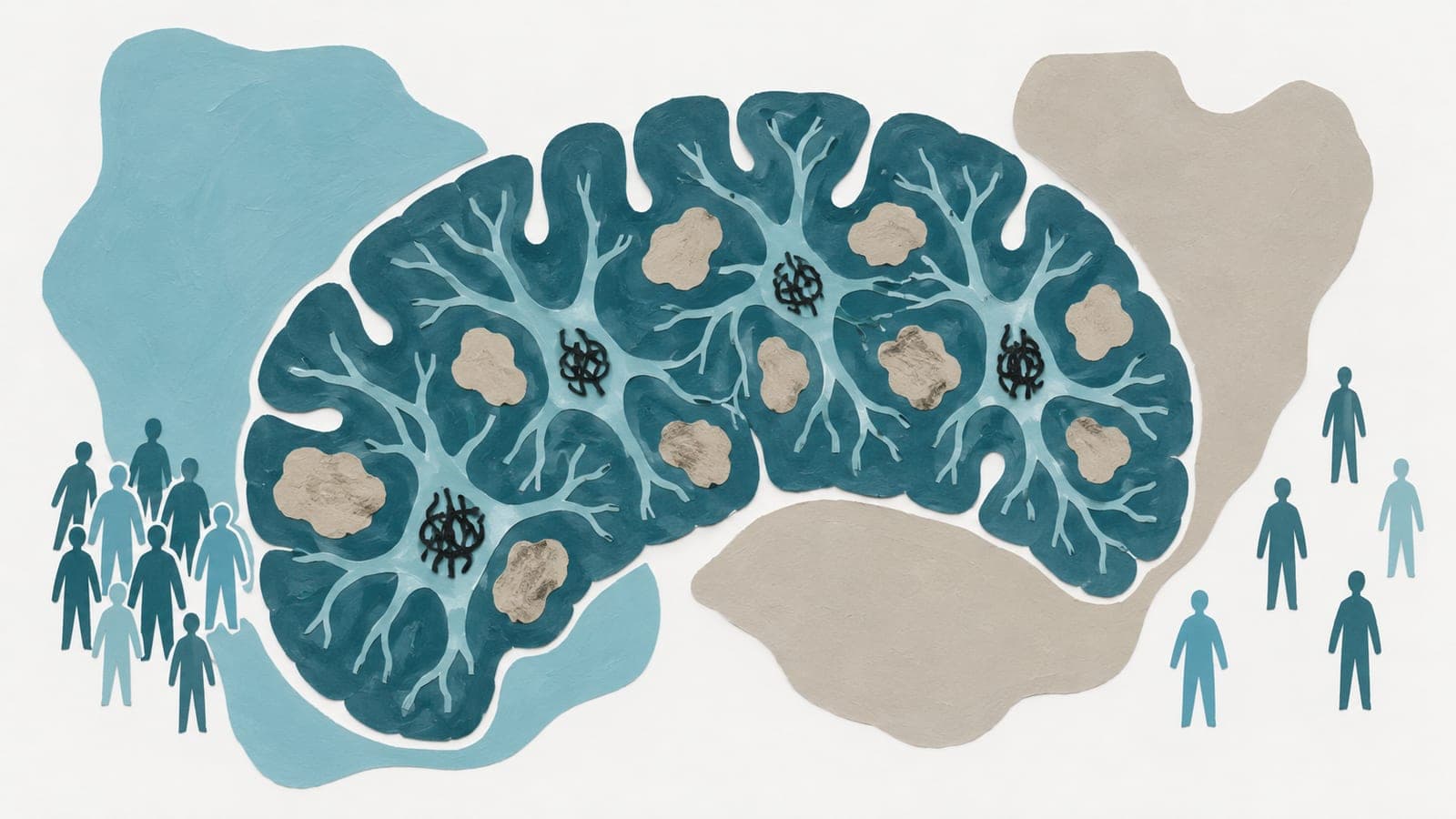
BackgroundEducational achievement is widely used as a proxy for cognitive reserve-the capacity to sustain cognition despite accumulating neuropathology. Nevertheless, the impact of education on the neuropathology-cognition association has not been assessed in a meta-analytical manner.ObjectiveTo meta-analyze studies reporting an education × neuropathology interaction term on cognition by pathology, and to determine whether the interaction effect differs by cognitive domains, age, participants' cognitive diagnosis, and gender.MethodsFollowing PRISMA guidelines, we searched PubMed, EMBASE, PsycINFO, and Web of Science through March 2026. Seventeen cross-sectional articles contributing 82 effect sizes were pooled using random-effects models with robust variance estimation across four pathology classes (amyloid, phosphorylated tau [pTau], vascular, and structural). All analyses were corrected for multiple comparisons using the Benjamini-Hochberg false-discovery rate (FDR).ResultsHigher education significantly attenuated the amyloid-cognition association (r = 0.114, adjusted-p = 0.012), a trend concentrated in the global cognitive domain (r = 0.108, adjusted-p = 0.060) and in studies with mixed cognitively unimpaired and cognitively impaired participants (r = 0.130, adjusted-p = 0.020). No significant interaction was found for pTau, vascular, or structural pathology (all adjusted-p > 0.100). Funnel plot and Egger's regression showed no evidence of publication bias.ConclusionsEducation moderated the amyloid-cognition association across the Alzheimer's disease continuum in full-spectrum (mixed-diagnosis) samples. Confirmation in adequately powered, longitudinal designs is warranted.PROSPERO Registration: CRD42023390544.
The paper
Stony Brook University
Journal of Alzheimer's Disease, 13 Oct 2026