Race, Diet, and Cardiometabolic Risk in US Young Adults: A Biosocial Framework Integrating Biological Mechanisms and Structural Inequities Toward Precision Nutrition
Abstract
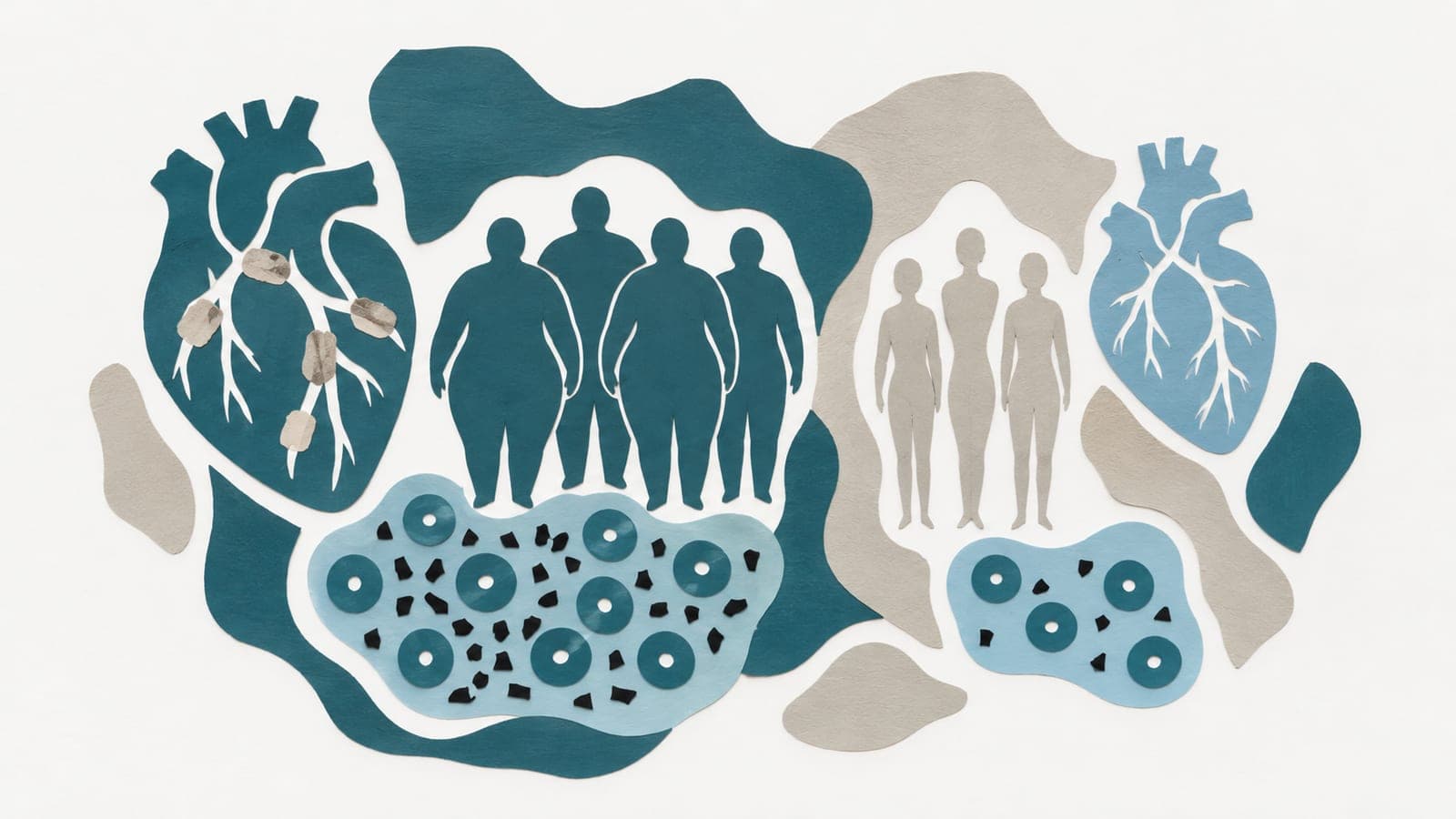
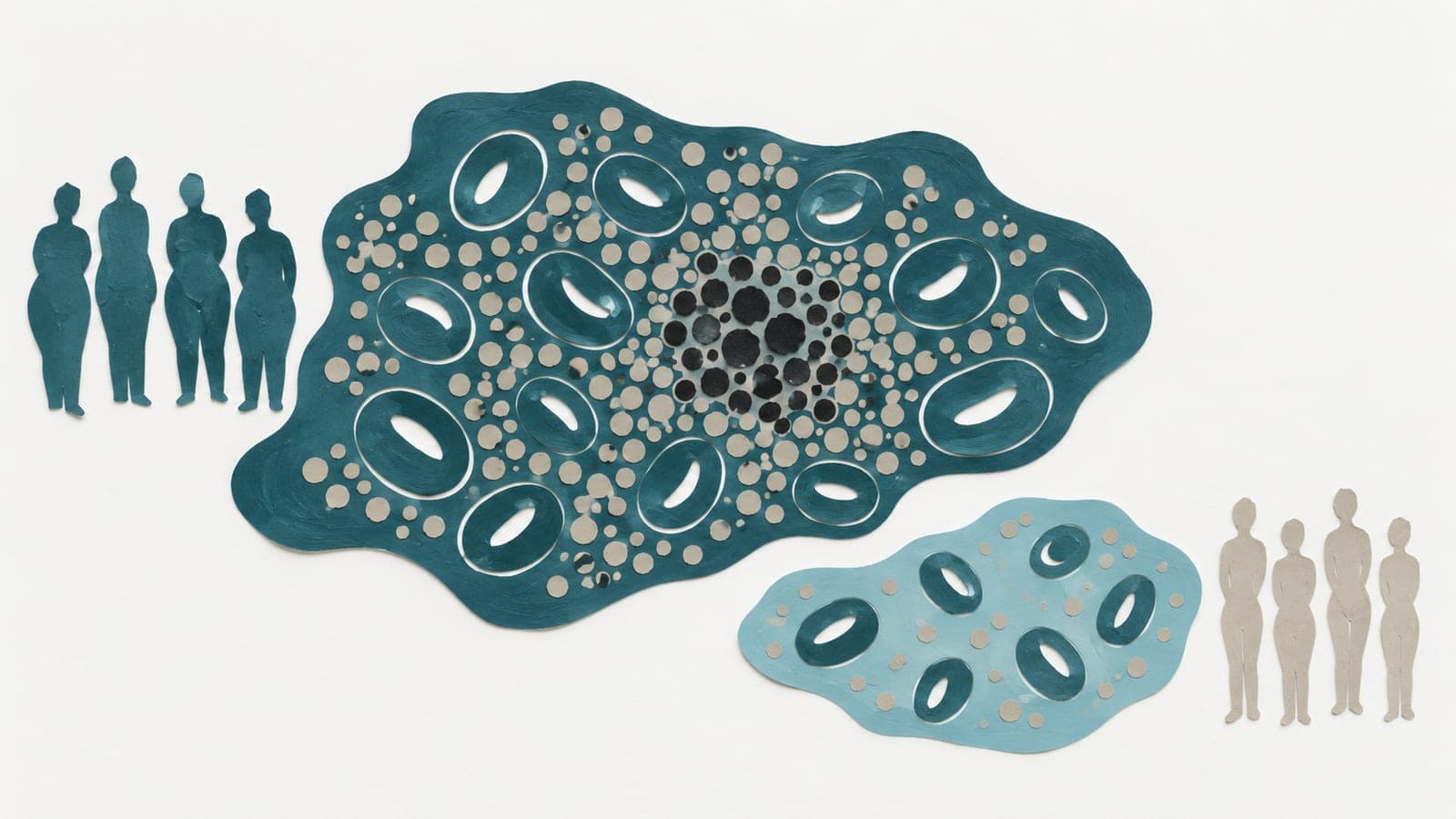
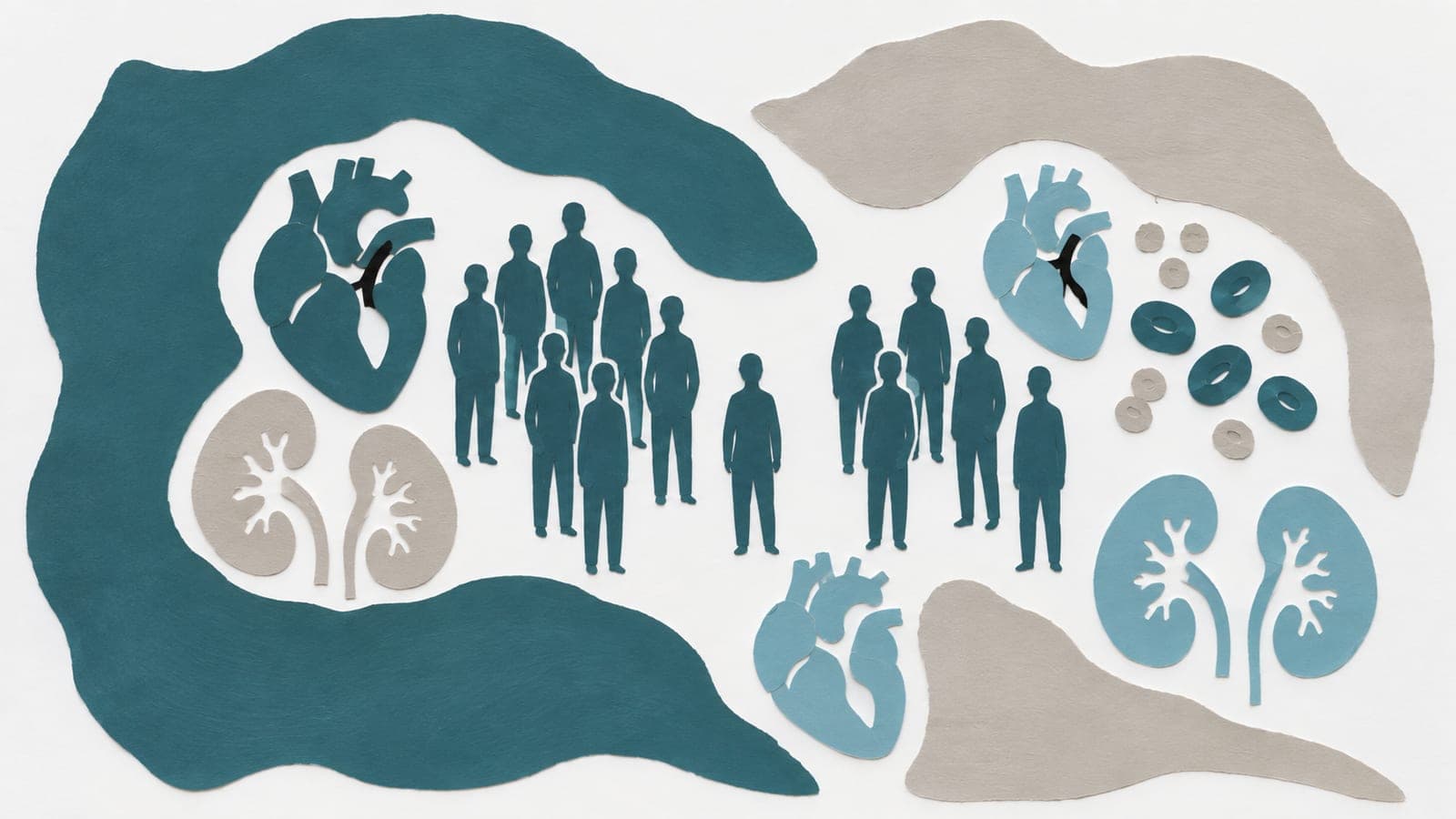
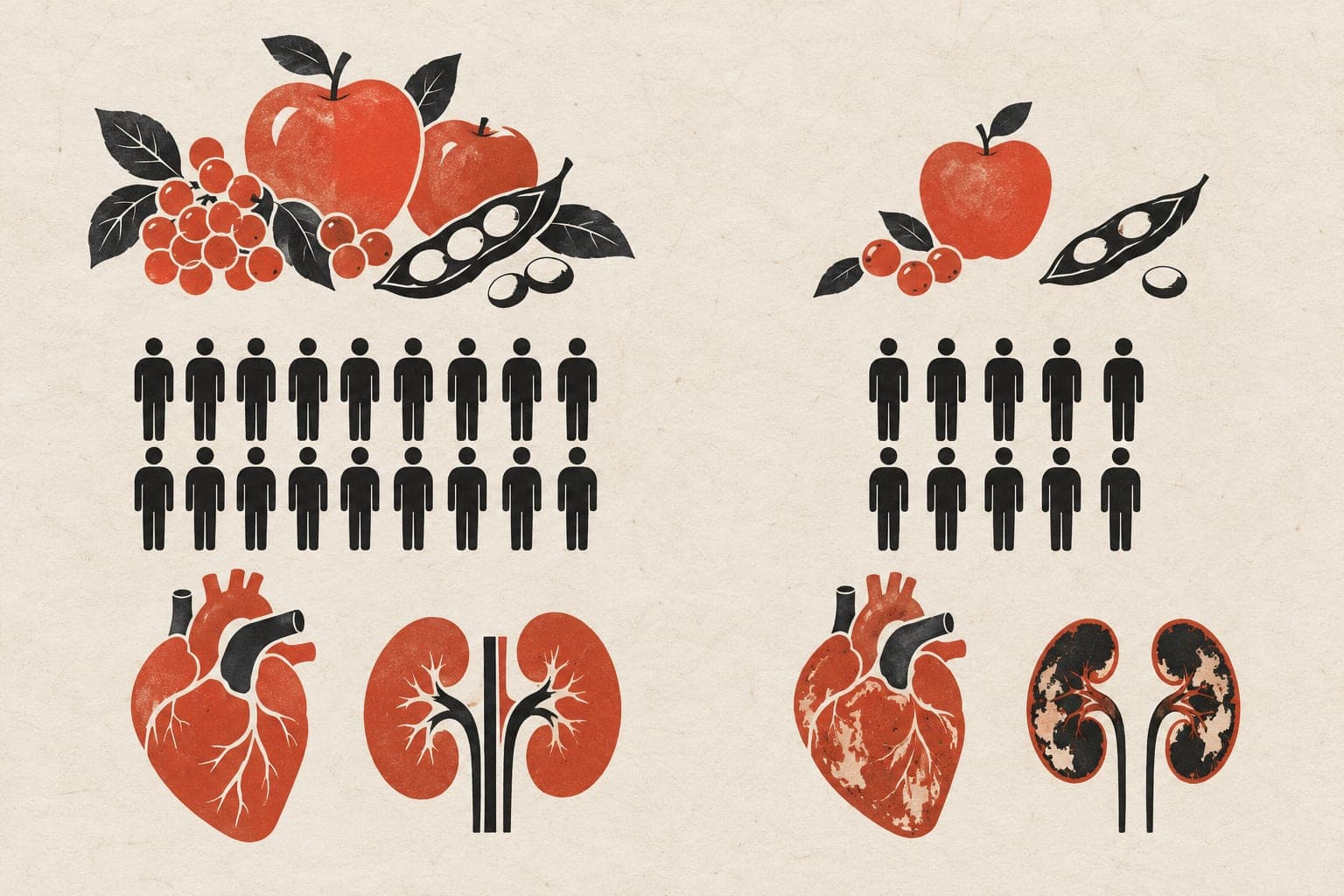
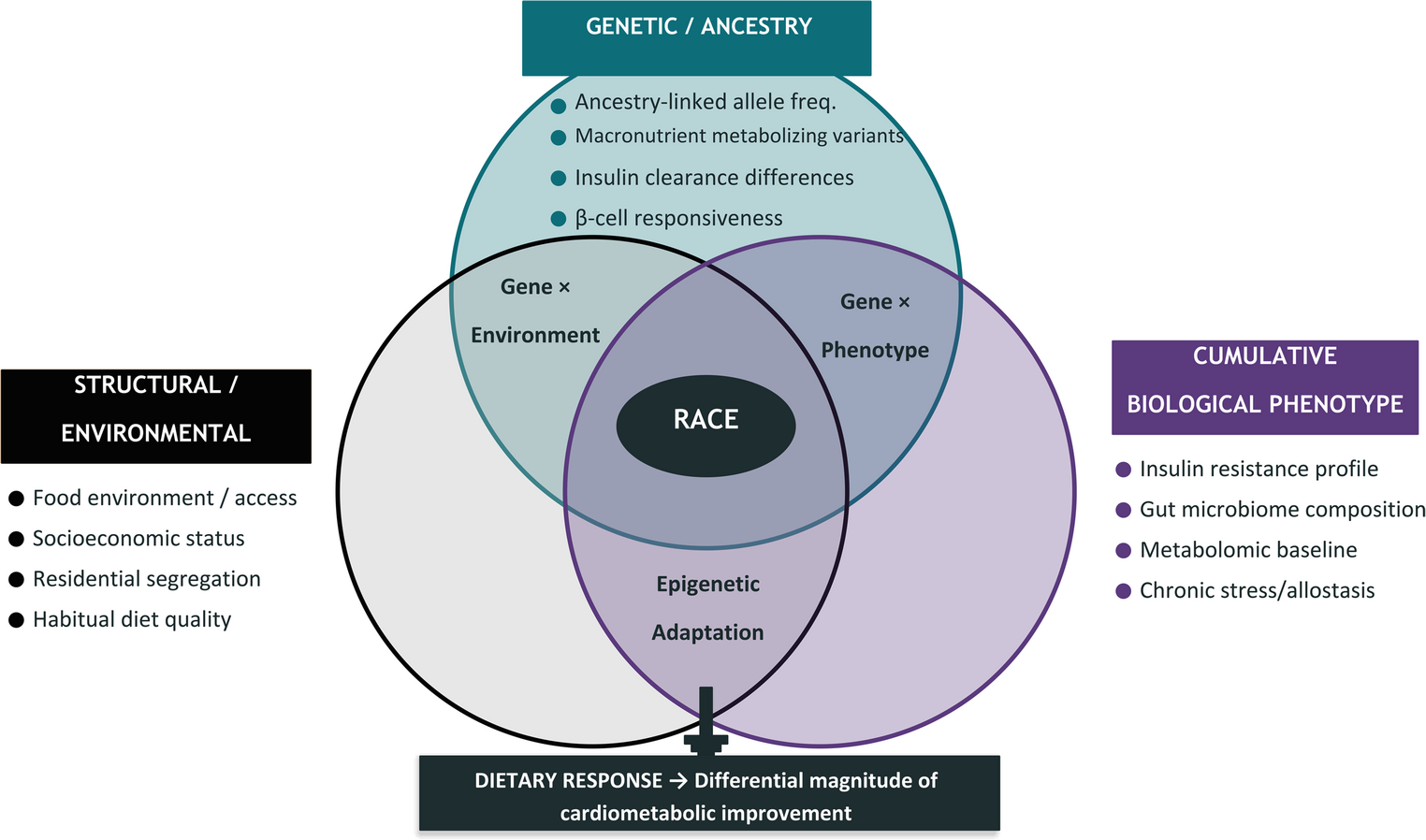
Cardiometabolic disease disproportionately affects Black populations in the US, yet dietary interventions have not reduced these disparities. This review examines race as a biosocial construct integrating ancestry-related biology and structural exposures to understand cardiometabolic risk and dietary response in precision nutrition RECENT FINDINGS: Evidence suggests racial differences in glucoregulatory physiology, metabolically relevant allele frequencies, stress-related epigenetic regulation, gut microbiome composition, and metabolomic profiles. Functional foods, including fruits, vegetables, and nuts, target pathways linked to these phenotypes. However, most intervention studies involve older, predominantly White populations, limiting understanding of race-specific responses. The review proposes the "cumulative racial biological phenotype" framework, where ancestry-related biology and structural exposures jointly influence cardiometabolic risk. It advances the greater plasticity hypothesis, suggesting greater baseline biological perturbation may predict larger dietary responses. Testing these concepts requires race-stratified, multi-omics dietary intervention trials in young adults using culturally and structurally responsive designs to improve the effectiveness and equity of precision nutrition.
The paper
University of Missouri
Current Nutrition Reports, 12 Oct 2026