The Association Between Serum Vitamin D and Gait Speed in a Middle-Aged and Older Taiwanese Population: A Community-Based Cross-Sectional Study
Abstract
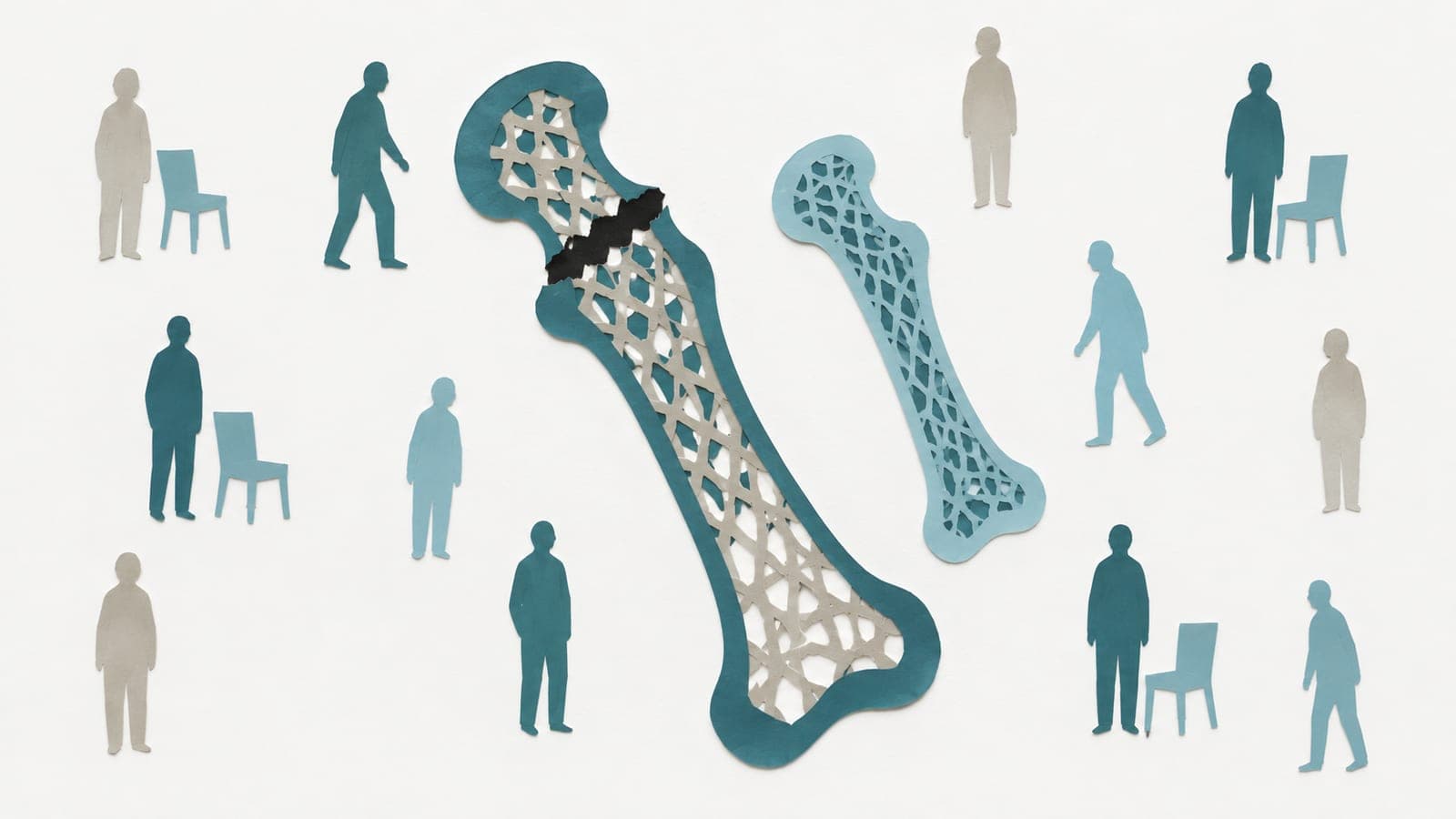
Gait speed is a key indicator for diagnosing sarcopenia, validated by both the European Working Group on Sarcopenia in Older People in 2018 and the Asian Working Group on Sarcopenia in 2019 for assessing physical performance. While global data link vitamin D to physical performance, regional sex-stratified evidence in East Asian populations remains limited. This study aims to validate and confirm the association between gait speed and vitamin D levels in a middle-aged and older population in Taiwan. This cross-sectional investigation focused on community-dwelling residents. Participants were assigned to vitamin D sufficiency (≥30 ng/mL), insufficiency (<30 ng/mL and ≥ 20 ng/mL), and deficiency (<20 ng/mL) defined by the American Endocrine Society and International Osteoporosis Foundation criteria. Analyses included Student's t-tests, analysis of variance (ANOVA), Chi-square test and sex-stratified multiple linear regression. A total of 396 participants (164 men and 232 women) were recruited, with a mean age of 65.18 ± 8.75 years; mean serum vitamin D concentration of 28.25 ± 9.45 ng/mL; and mean gait speed of 0.91 ± 0.23 m/s. A positive association between gait speed and 25(OH)D (p = 0.047), and a negative association between gait speed and age (p < 0.001) and body mass index (BMI) (p = 0.005) were observed in men. Conversely, in women, gait speed was negatively associated with age (p < 0.001), BMI (p = 0.010), hypertension (p = 0.027), and diabetes mellitus (p = 0.009). This study demonstrated a positive association between gait speed and serum 25(OH)D levels in middle-aged and older men.
The paper
Chang Gung Memorial Hospital; College of Medicine
Rejuvenation Research, 12 Oct 2026