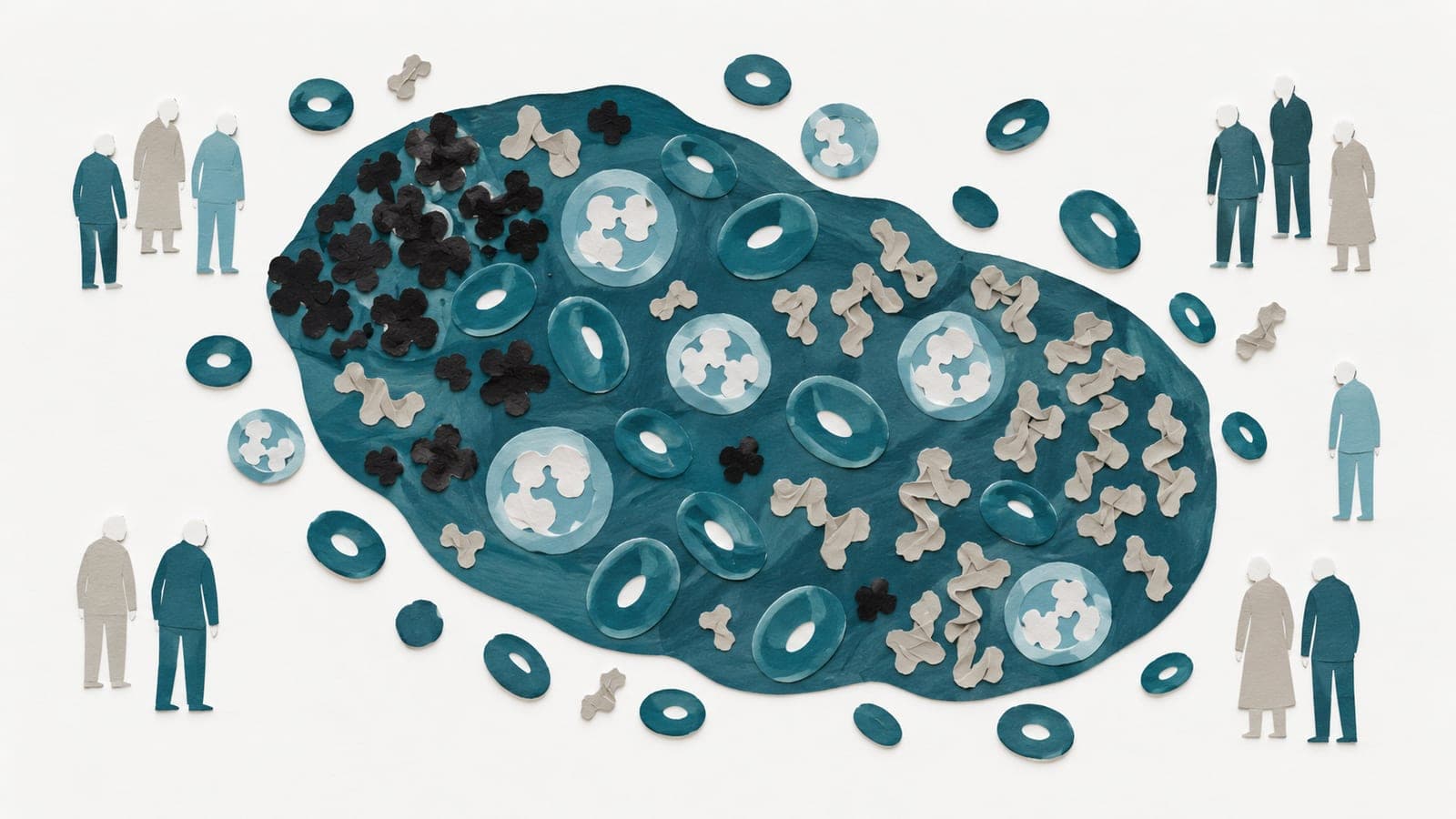
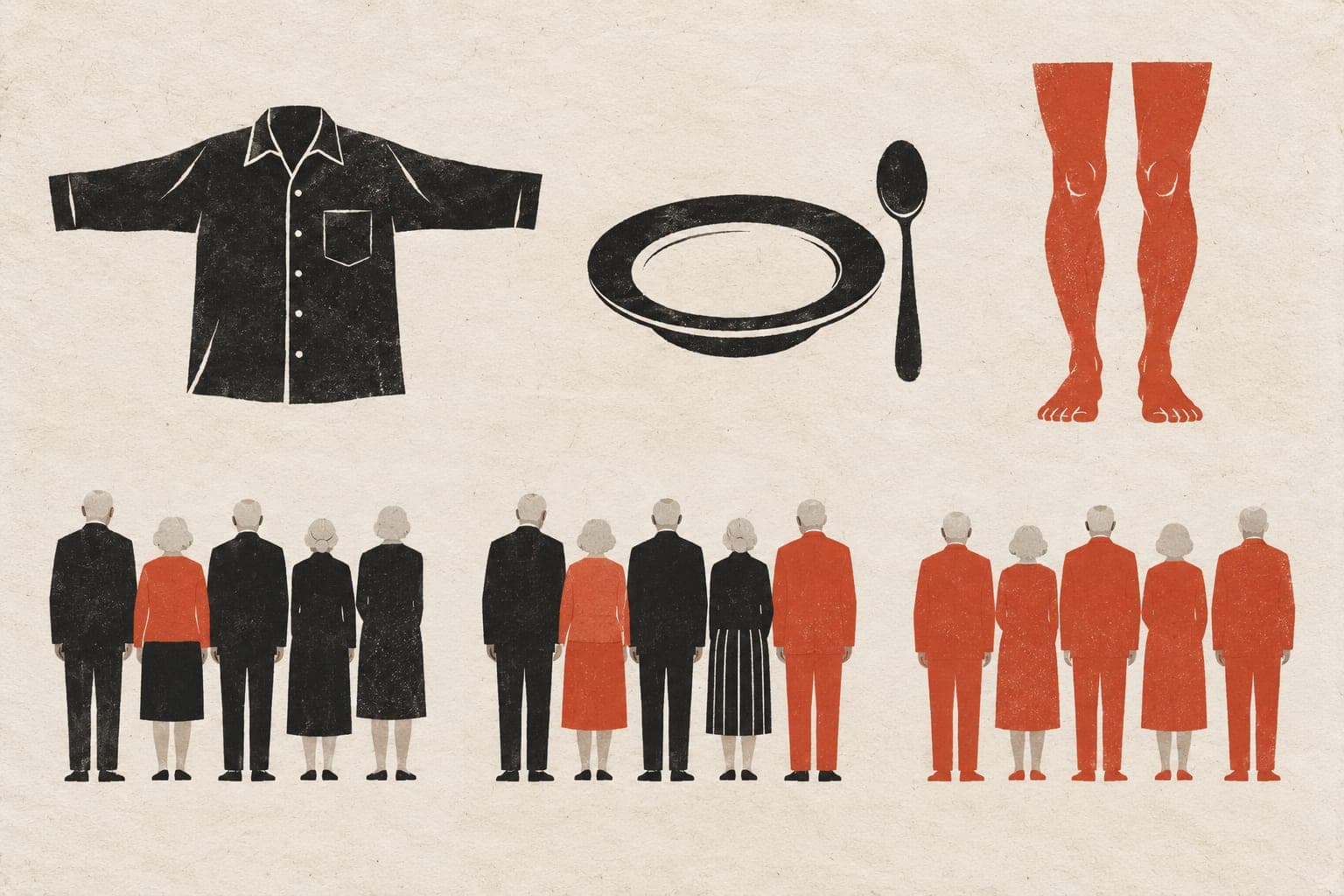
Model identifies frailty in people on regular kidney dialysis
The best model scored 0.917 on a measure of how well it separated patients with and without frailty, in 124 patients from another city.

Independent replication
In 626 patients receiving maintenance haemodialysis—regular treatment that filters waste from the blood—researchers conducted a cross-sectional study using previously collected data from four hospitals. They assessed frailty, reduced resilience to illness and other stresses, using a rating scale. The scale classified 48.6% as having frailty.
The team developed ten machine-learning models using 352 patients and checked them in two further groups of 150 and 124 patients. The best model used six predictors, including age, grip strength and measures of other illnesses. It scored 0.917 for distinguishing patients with and without frailty in the 124-patient group from another city. The researchers concluded that it may support systematic frailty screening and individual assessment.
Why it matters
Frailty affects survival and quality of life in people receiving maintenance haemodialysis. The work addresses how to make screening for this vulnerability more systematic.
Caveats
This cross-sectional analysis assessed existing frailty, not who would develop it or whether using the model would improve care. Frailty was defined by a rating scale.
From the paper
- Participants
The study included 626 MHD patients, comprising 352 in the training set, 150 in the internal validation set, and 124 in the independent external validation set.
- Limitation
The sample size should also be considered in relation to the complexity of the modeling strategy.
Quoted word for word from the full text on tandfonline.com.
The paper
Jiangnan University Medical Center
Annals of Medicine, 11 Oct 2026