Fundamentals of Osteoarthritis: Biomarkers
Abstract
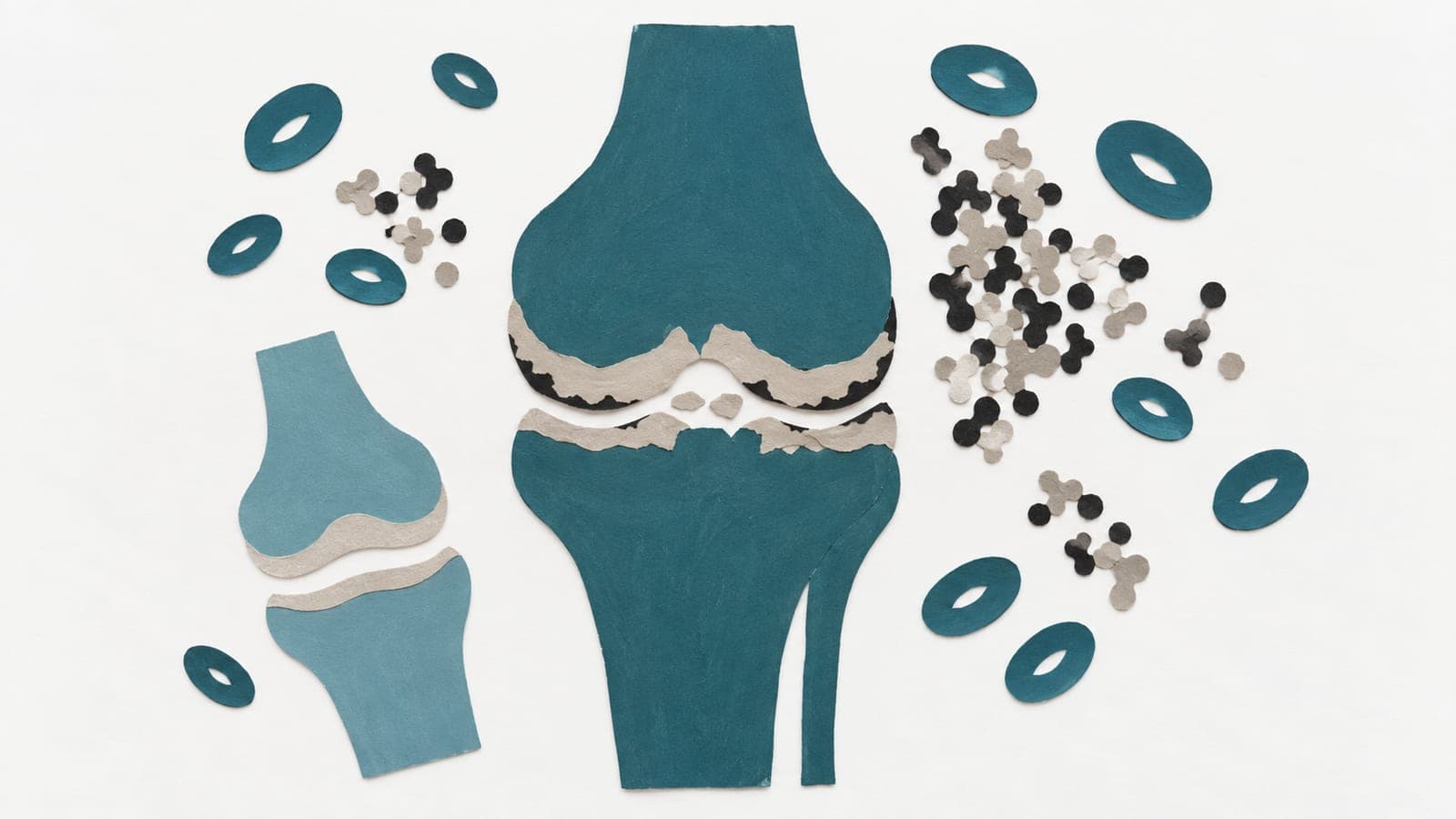
OBJECTIVE: To provide a practical framework for understanding biomarker principles and applications in osteoarthritis (OA). METHODS: We summarize current biomarker science and highlight advances since the 2022 Fundamentals in OA biomarkers review. RESULTS: OA biomarker research has evolved from single-analyte studies to large-scale proteomics, multi-omics, and predictive modeling, while established extracellular matrix biomarkers remain foundational for assessing tissue remodeling. Among thousands of circulating proteins evaluated across population cohorts, cartilage acidic protein-1 (CRTAC1) has emerged as one of the biomarkers consistently associated with OA burden, severity, progression, and risk of joint replacement. Multi-protein panels incorporating CRTAC1 and other markers identify individuals at risk for structural and pain progression and detect molecular signatures years before radiographic disease onset. These findings support an OA disease continuum characterized by prolonged molecular dysregulation preceding structural abnormalities. Multi-omic approaches further enable molecular endotyping and patient stratification, helping distinguish the underlying molecular drivers of disease from the clinical manifestations of illness. However, substantial challenges remain, including analytical validation, reproducibility, standardization across platforms, and prospective qualification for defined contexts of use. Without this, many promising biomarkers may fail to progress beyond discovery. CONCLUSIONS: Three major advances have emerged: (1) molecular abnormalities can precede radiographic OA by years, reframing OA as a process of prolonged preclinical perturbation of innate immunity; (2) multi-omics approaches support molecular endotyping and precision medicine strategies; and (3) emerging proteomic biomarkers, exemplified by CRTAC1 and multi-protein panels, augment established biomarker classes and improve risk stratification. Continued validation will be essential for clinical and regulatory translation.
The paper
Duke University; Nordic Bioscience (Denmark)
Osteoarthritis and Cartilage, 10 Oct 2026