Metabolic dysfunction associates with neuroimaging measures of brain structure and connectivity
Abstract
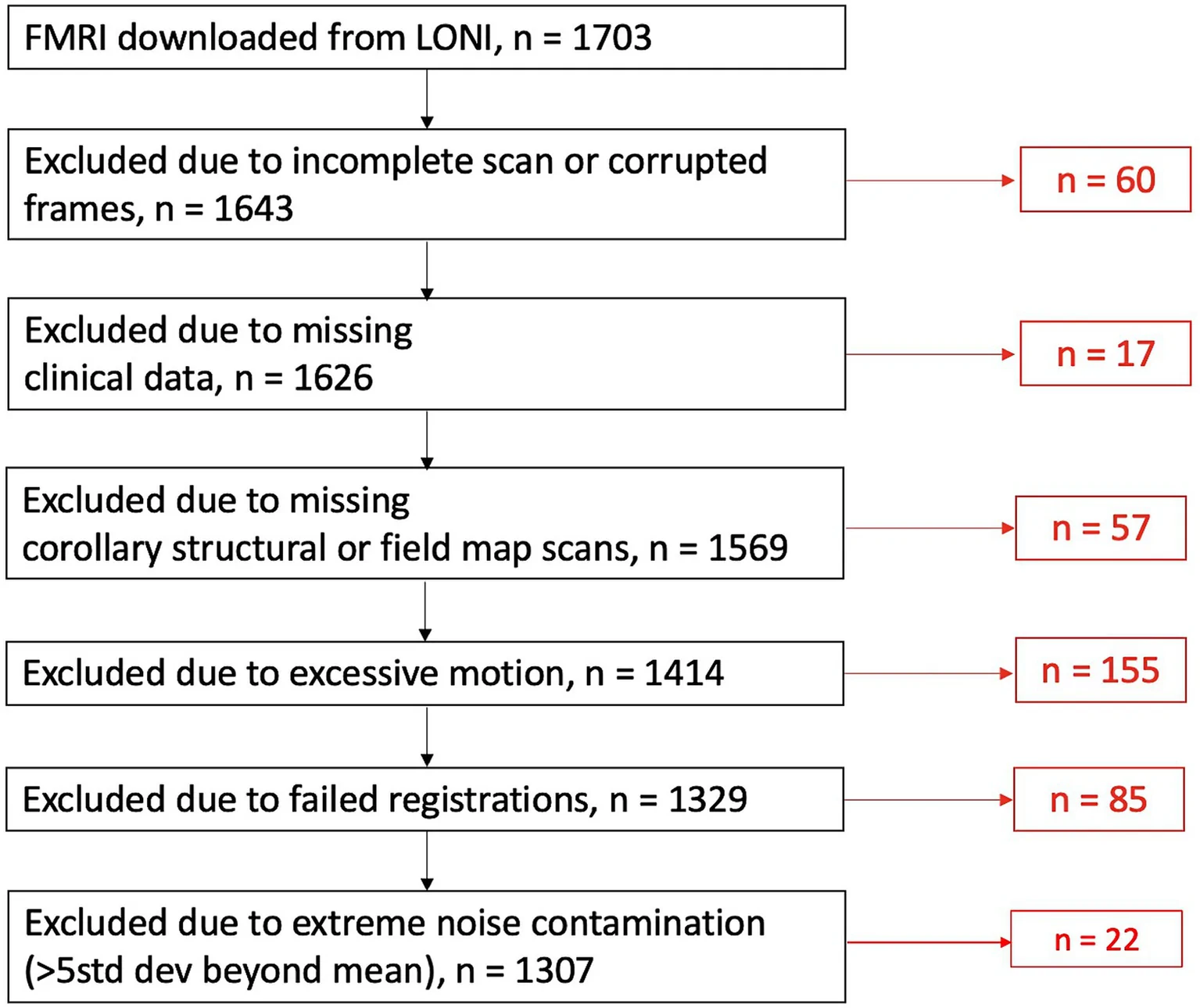
INTRODUCTION: Metabolic syndrome (MetS) and insulin resistance are established risk factors for Alzheimer's disease (AD) and have been linked to alterations in brain structure and function, including within the Default Mode Network (DMN). METHODS: Here, we examined associations between metabolic dysfunction, brain structure, and DMN functional connectivity using data from the Health and Aging Brain Study: Health Disparities (HABS-HD) cohort. Participants were classified as being cognitively unimpaired (CU; n = 1,045; mean age = 66.1 years; 65% female), or having mild cognitive impairment (MCI; n = 186; mean age = 66.5 years; 52% female) or dementia (n = 76; mean age = 69.0 years; 47% female). RESULTS: Across diagnostic groups, cortical thickness in AD-vulnerable regions varied by both cognitive status and HbA1c grouping, with the strongest effects observed in the CU cohort. HbA1c grouping was also associated with white matter microstructure, including stepwise reduc tions in fractional anisotropy of the anterior corona radiata across glycemic cat egories (normoglycemia > prediabetes > diabetes) in CU individuals. Functional connectivity of the posterior DMN (pDMN) showed main effects of both cognitive status and HbA1c grouping. Using a continuous index of cardiometabolic risk (MetS-Z), pDMN connectivity decreased linearly with increasing cardiometabolic burden in the CU cohort, whereas other DMN subnetworks exhibited positive associations with MetS-Z. DISCUSSION: These findings suggest network-specific associations between cardiometabolic risk and DMN organization that are detectable in indi viduals with MCI, a clinical state preceding dementia, as well as in some degree within cognitively unimpaired individuals. Longitudinal analyses are needed to determine whether metabolic dysfunction predicts divergent trajectories of DMN connectivity over time.
The paper
University of Kansas Alzheimer's Disease Research Center
Frontiers in Neuroscience, 25 Sep 2026