A neuronal GPCR modifies neuropeptide signaling to suppress proteostasis in distal tissues
Abstract
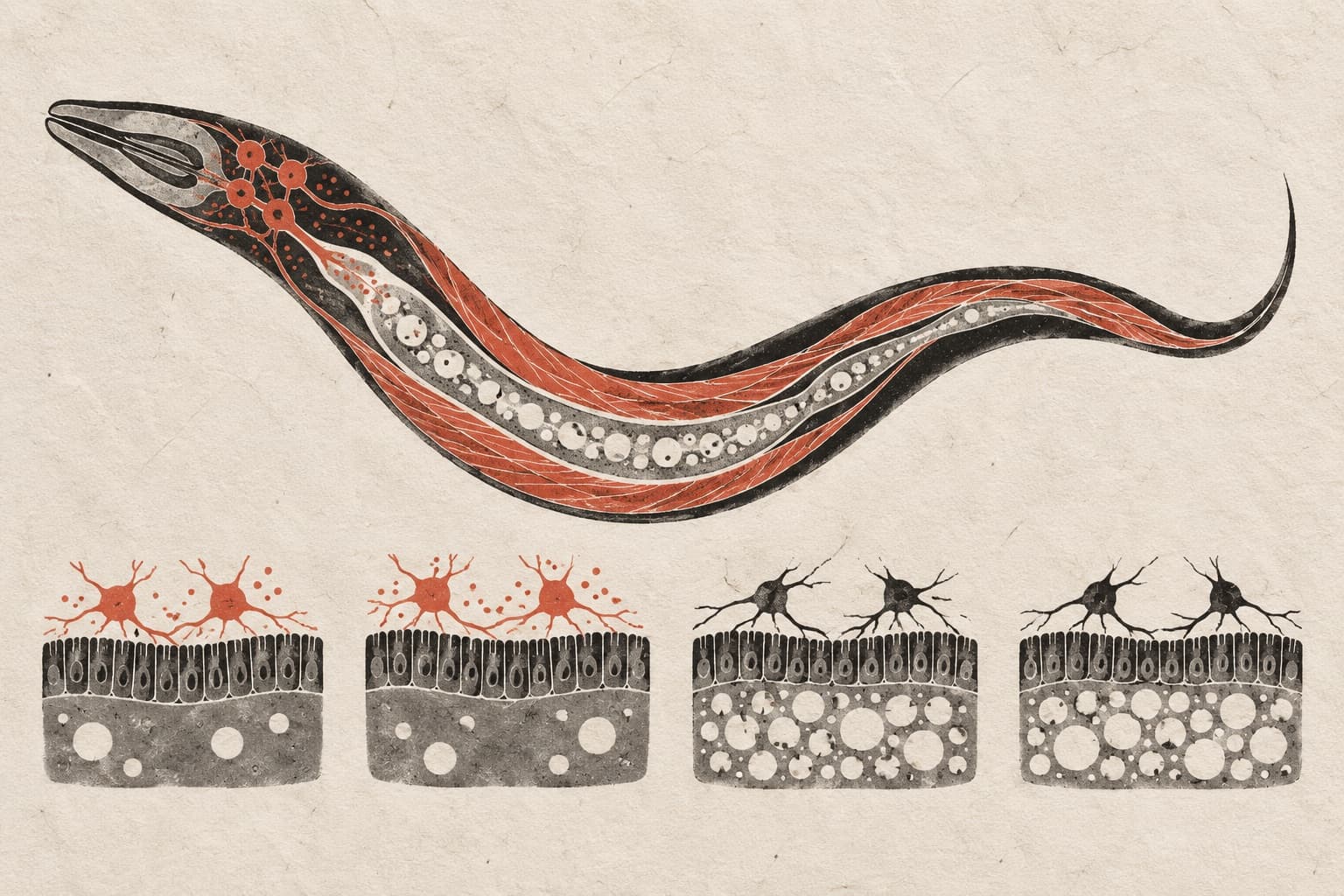
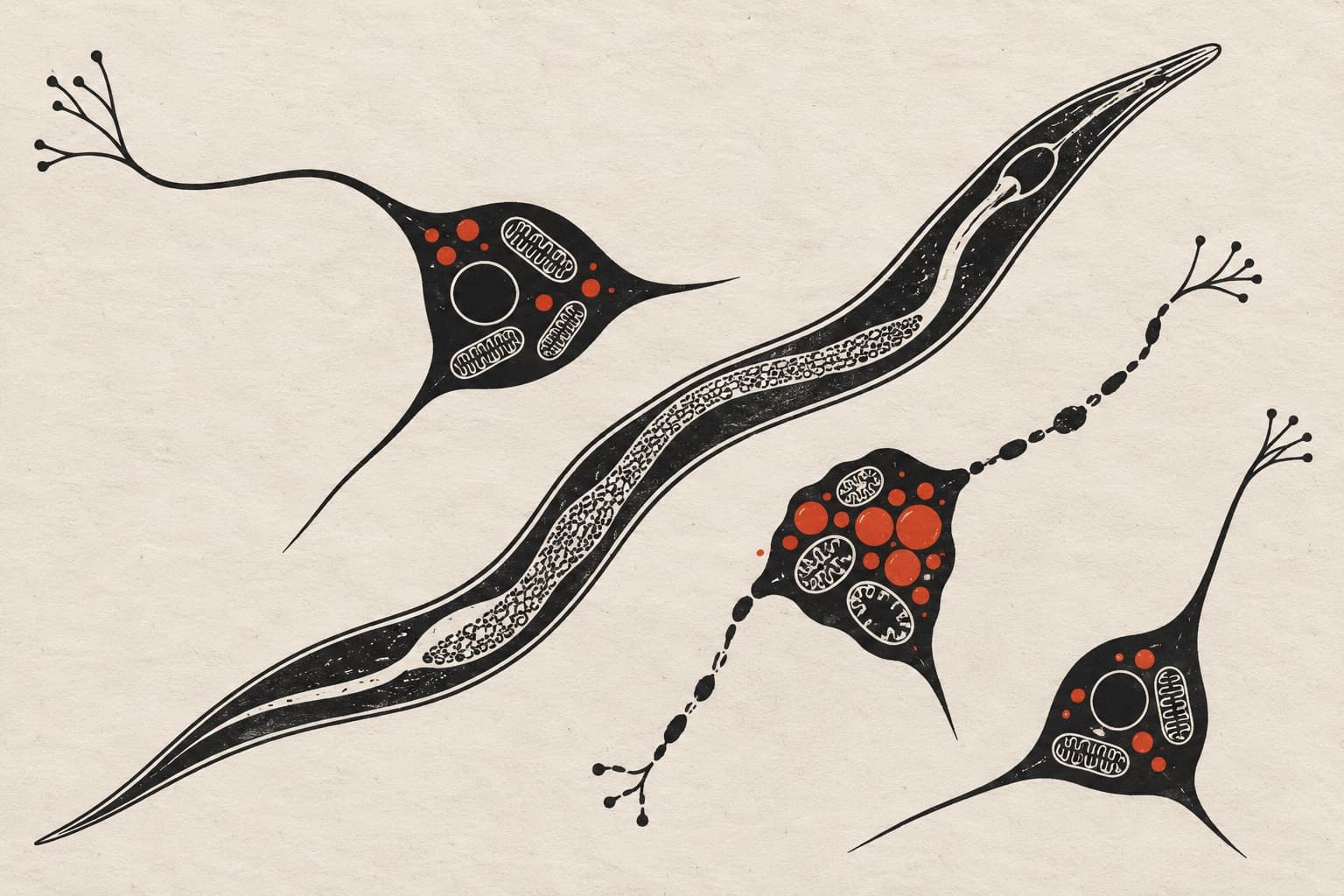
The proteostasis network (PN) safeguards the integrity of proteins by promoting various cellular activities. However, with aging, the PN's competence declines and aggregated proteins accrue within cells. This process underlies the development of neurodegenerative disorders such as Alzheimer's and Huntington's diseases. While the PN functions within cells, proteostasis is regulated across the organism by intertissue communication, which is partially governed by neurons. We previously found that reducing the expression of gtr-1, which encodes a neuronal heterotrimeric guanine nucleotide-binding protein-coupled receptor, mitigates the toxicity of the Alzheimer's disease cause, Aβ peptide. Here, we investigated the mechanism that is acted upon the knockdown of gtr-1 and found that it differentially modulates gene expression profiles, including of neuropeptide-coding genes, and dissimilarly modifies protein aggregation in worms that express distinct proteotoxic proteins. The knockdown of gtr-1 also enhances protein degradation. These findings highlight the roles of neuropeptides as organismal coordinators of proteostasis in the face of distinct proteotoxic challenges.
The paper
Hebrew University of Jerusalem
Science Advances, 9 Oct 2026