Individual short-sleep definitions show stronger health links
An observational study followed 462 healthy adults for a year, finding stronger health links using individual sleep cut-offs than a fixed six-hour limit.
Sleep Medicine
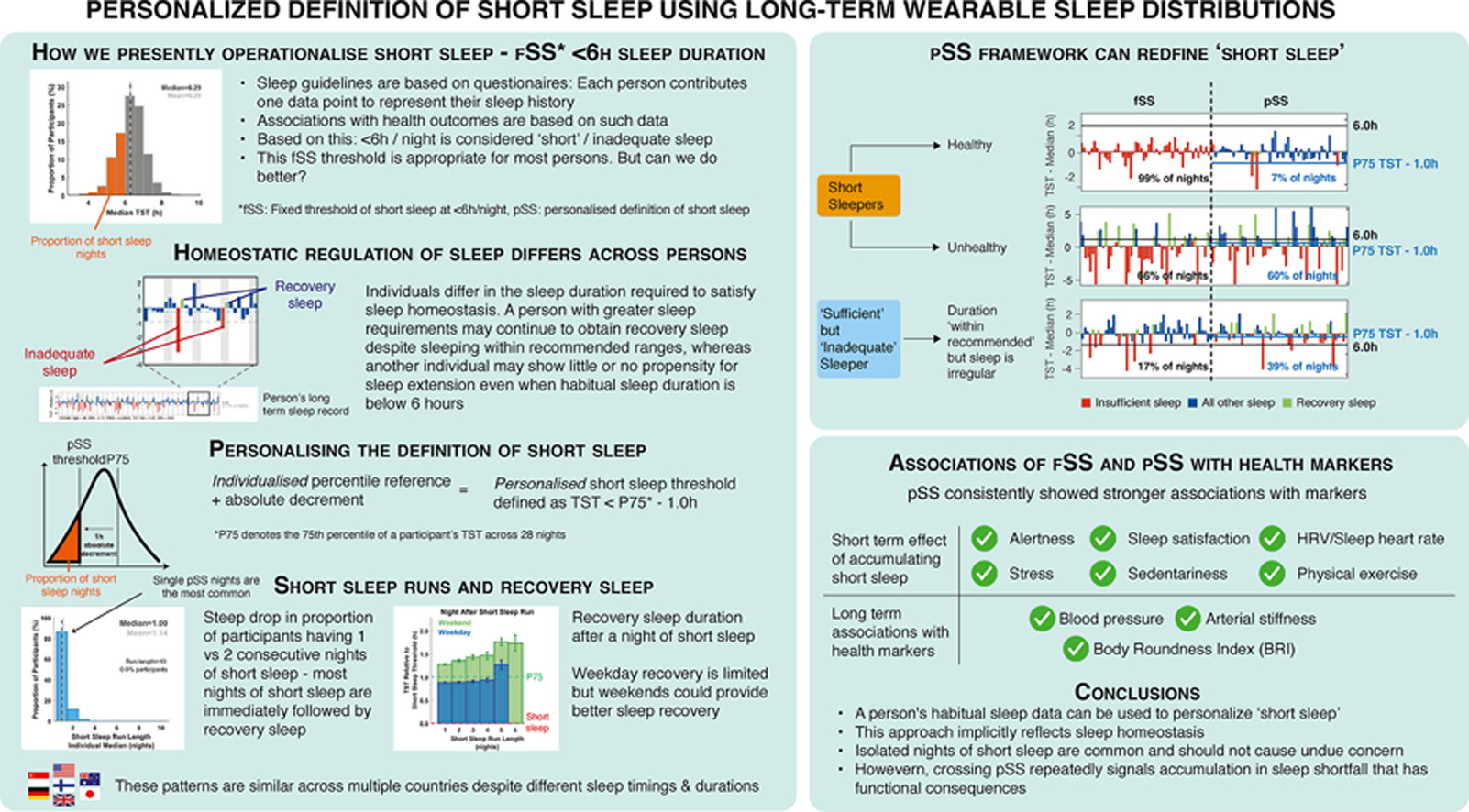
In an observational study, 462 healthy adults wore sleep trackers and provided daily assessments for a year. Researchers compared nights with less than six hours of sleep against nights defined as short using each person’s recorded sleep-duration patterns. The approaches identified similar overall proportions of short nights, but picked different people and nights.
The personalised approach showed stronger associations with daily alertness, sleep satisfaction and stress, among other outcomes. Associations grew with consecutive short nights. The proportion of personally defined short nights also showed stronger associations with blood pressure and the stiffness of arteries. Isolated short nights were common, while longer runs were uncommon. Patterns of consecutive short nights were similar across seven country-level samples despite differences in sleep habits.
Why it matters
Blood pressure and artery stiffness are relevant to cardiovascular health as people age. The authors suggested that preventive strategies may benefit from addressing both accumulated personal sleep shortfalls and occasional inadequate sleep.
Caveats
The observational design cannot show that short sleep caused changes in wellbeing or cardiovascular measures. The main sample comprised healthy adults; their ages were not given in the abstract.
The paper
Personalized definition of short sleep using long-term wearable sleep distributions
National University of Singapore
Sleep Medicine · 30 Sep 2026