Shorter sleep linked to lower egg reserves in fertility patients
In 1,288 fertility patients, shorter sleep was linked to 1.89 times the odds of reduced egg reserves; the comparison group was not specified.
Frontiers in Endocrinology
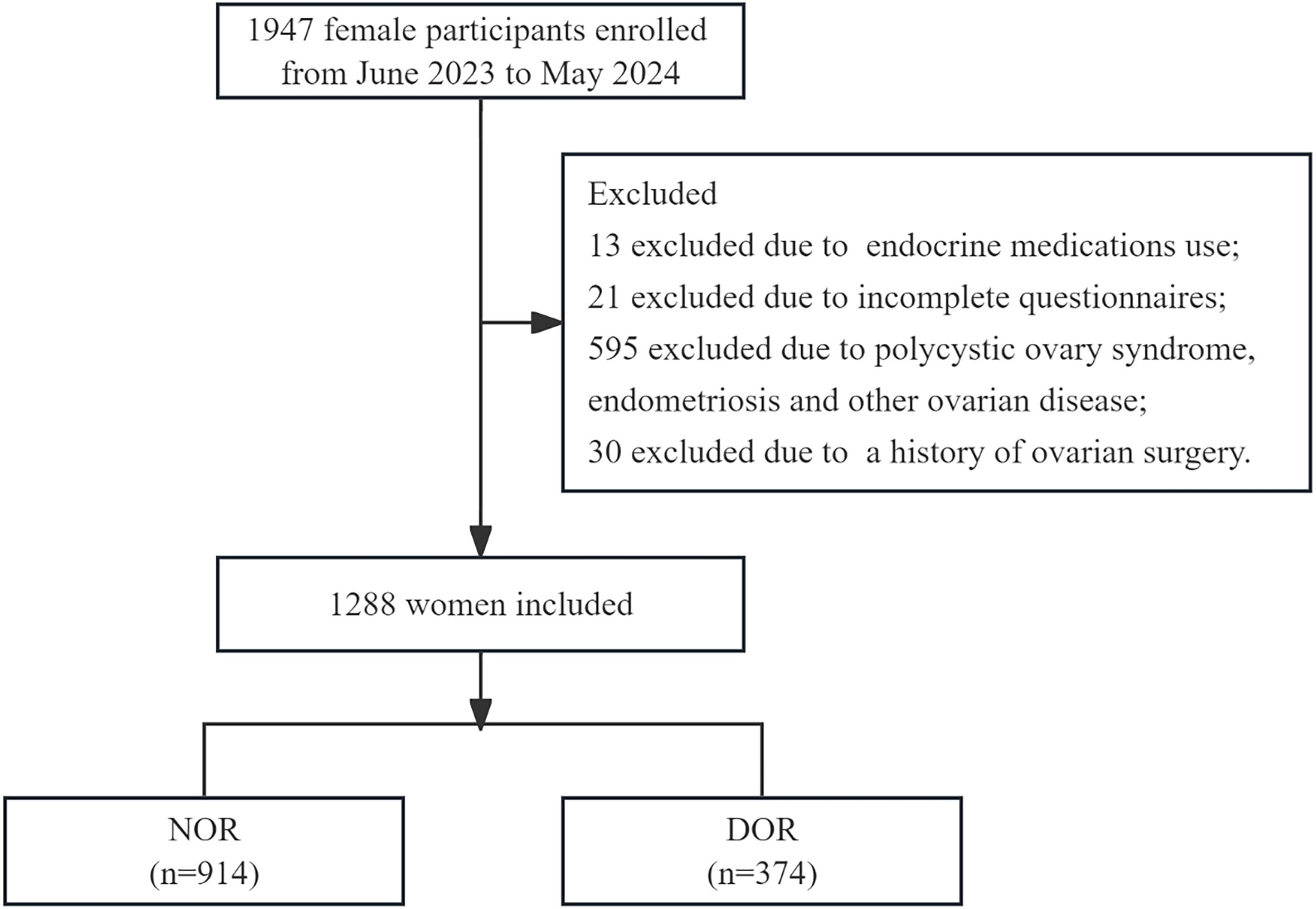
In 1,288 women aged 20–40 undergoing laboratory fertility procedures, researchers examined sleep and ovarian reserve, an estimate of the remaining egg supply. This was a cross-sectional study. The procedures were in vitro fertilisation, which combines eggs and sperm in the laboratory, and intracytoplasmic sperm injection, which injects a sperm into an egg. Women enrolled between June 2023 and May 2024.
Sleeping less than seven hours a night was associated with diminished ovarian reserve, particularly below age 35. Poor sleep quality was linked to diminished reserve in both age groups. A separate Mendelian randomization analysis used genetic data to examine sleep disorders. It linked genetically predicted sleep disorders to higher levels of follicle-stimulating hormone, which helps regulate egg development.
Why it matters
Ovarian reserve is relevant to reproductive aging. The study addressed whether sleep duration and sleep quality have different associations with this reserve across reproductive ages.
Caveats
The cross-sectional study could not establish cause and effect, and neither analysis tested whether changing sleep improved ovarian reserve. The clinical results concerned women receiving fertility care, not a general population sample.
The paper
Tongji University
Frontiers in Endocrinology · 22 Sep 2026