The histone methyltransferase complex subunit RBBP5 serves as a central epigenetic regulator of proteostasis dynamics
Abstract
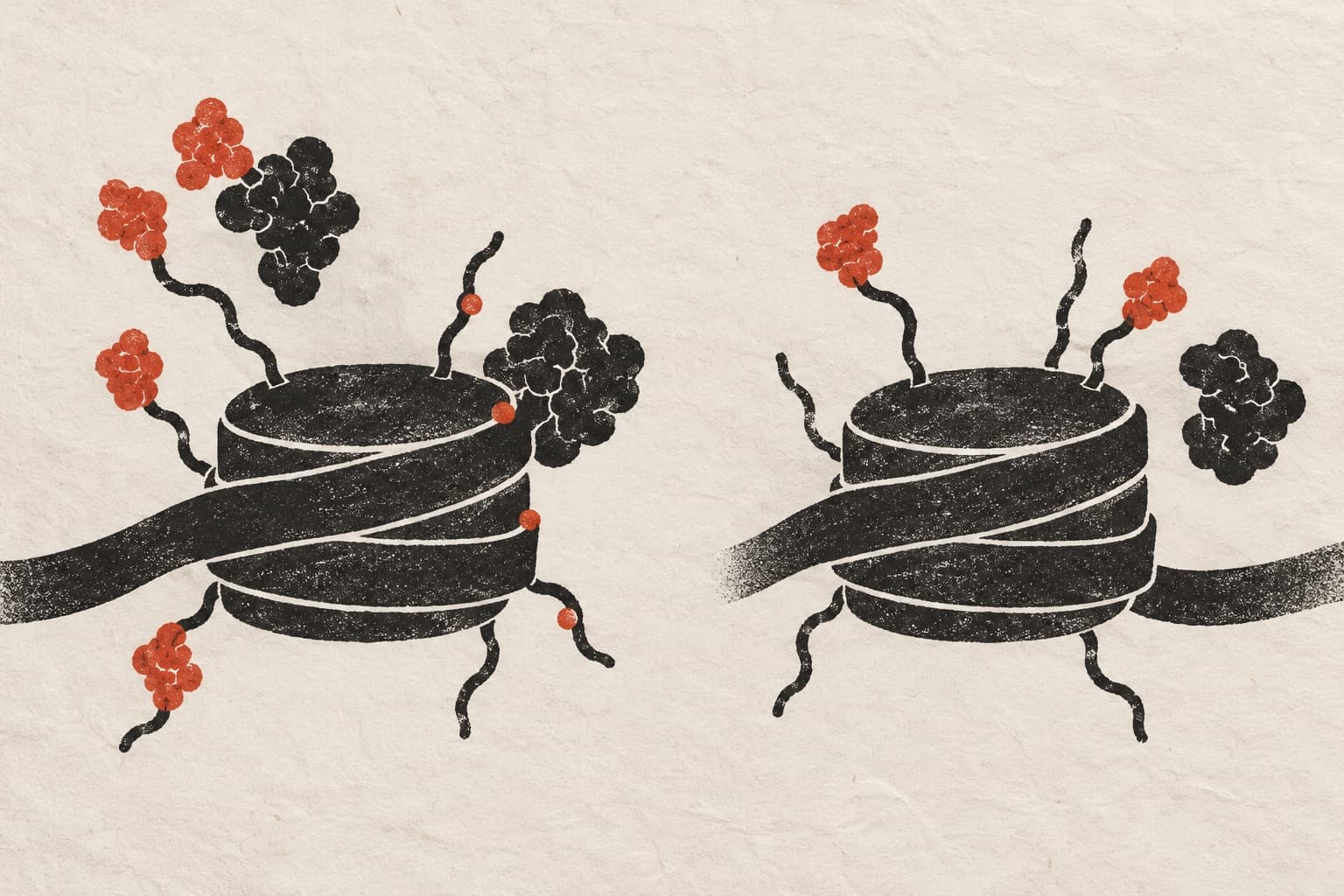
Proteostasis is essential for cellular health, with its disruption contributing to aging, neurodegeneration, and metabolic disorders. While the upstream proteotoxic stress-sensing and protein-folding mechanisms in the ER and cytosol are well studied, the transcriptional regulation of proteostasis remains incompletely understood, particularly concerning the temporal epigenome dynamics, chromatin landscapes, and co-regulatory networks underlying dynamic proteostasis control. Traditionally, proteotoxic stress responses were viewed as acute reactions to noxious stimuli, but recent evidence shows that many proteostasis genes exhibit ~12-hour ultradian rhythms under physiological conditions, driven by an XBP1s-dependent oscillator independent of the canonical circadian clock and cell cycle. By mapping the chromatin landscape of the murine 12-hour oscillator, we identified RBBP5-an essential subunit of the COMPASS complex responsible for H3K4 trimethylation-as a pivotal epigenetic regulator of proteostasis dynamics. In contrast, histone acetyltransferases and H3K9 acetylation were dispensable for dynamic proteostasis gene expression. RBBP5 is not only indispensable for the 12-hour oscillator but also essential for the transcriptional regulation of diverse proteotoxic stresses response, by coactivating XBP1s and promoting H3K4me3 deposition at the promoters of proteostasis genes. As a result, loss of RBBP5 sensitizes cells to proteotoxic stress in part due to impaired autophagy. Proximity labeling of H3K4me3 further uncovered a dynamic chromatin-associated proteomic architecture, including components of COMPASS, the Integrator complex and SWI/SNF remodelers, that constitutes the transcriptional response to proteotoxic stress. Together, these findings establish RBBP5 as a central regulator of proteostasis dynamics, essential for maintaining cellular resilience.