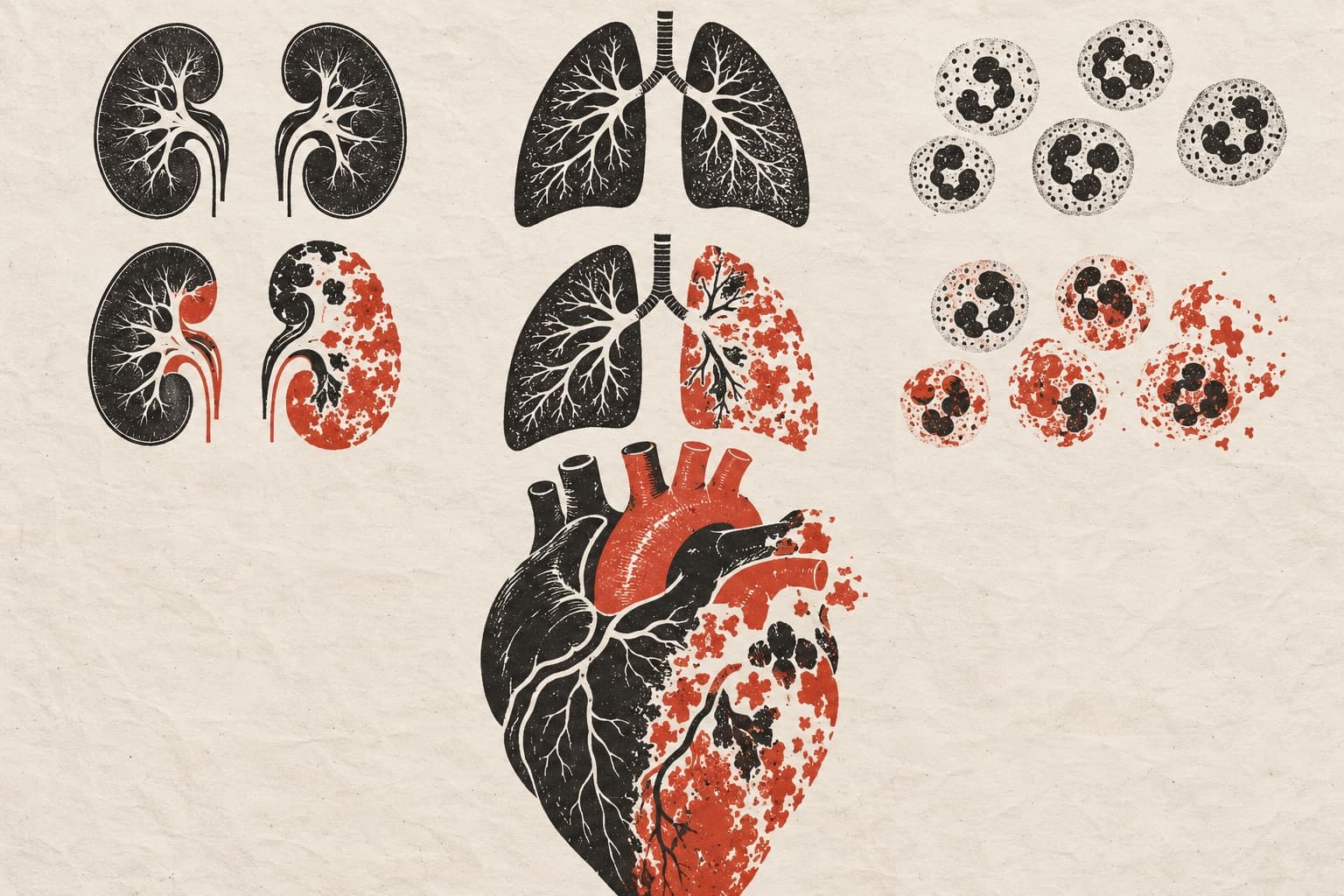
Dementia tied to more deaths in preserved ejection heart failure
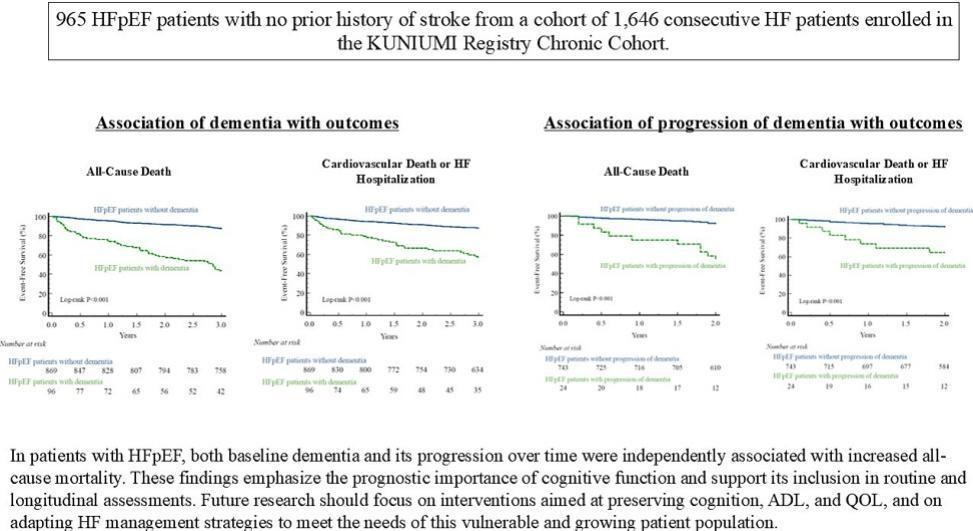
In a prospective study of 965 stroke-free patients with preserved-ejection heart failure followed for two years, dementia and its progression were linked to higher death rates.
Journal of Cardiology
Researchers evaluated 965 patients with heart failure with preserved ejection fraction and no history of stroke in a prospective Japanese cohort study. Dementia was defined using a clinical cognitive score, and participants were followed for an average of two years. Patients with dementia had higher rates of all-cause death and cardiovascular death or hospitalisation for heart failure than those without dementia. These patterns remained consistent after matching participants on baseline characteristics. Furthermore, patients whose cognitive scores declined by at least 14 points over one year experienced higher rates of both outcomes. In an analysis adjusting for multiple baseline traits, dementia progression remained linked to all-cause death.
Why it matters
Heart failure with preserved ejection fraction is prevalent in older adults, and dementia is also an age-related condition. Following how cognitive function changes over time may help clinicians better assess risk and guide management strategies in an aging population.
Caveats
As an observational study, the research cannot show that worsening dementia causes higher mortality, as both may reflect broader physical decline. The findings are also limited to Japanese patients who had never experienced a stroke.
The paper
Show 15 more authors
Haruna Yokota, Chihiro Fujii, Hiroshi Tsunamoto, Jun-Ichi Noiri, Koji Kuroda, Soichiro Yamashita, Junichi Imanishi, Masamichi Iwasaki, Takafumi Todoroki, Masanori Okuda, Akihide Konishi, Masakazu Shinohara, Manabu Nagao, Ryuji Toh, Kunihiro Nishimura,Kobe University Graduate School of Medicine
Journal of Cardiology · 7 Oct 2026