Fatty liver linked to progression of obesity in adults
In adults with preclinical obesity, ultrasound-defined fatty liver was associated with an adjusted hazard ratio of 1.59 for progression to clinical obesity.
Frontiers in Nutrition
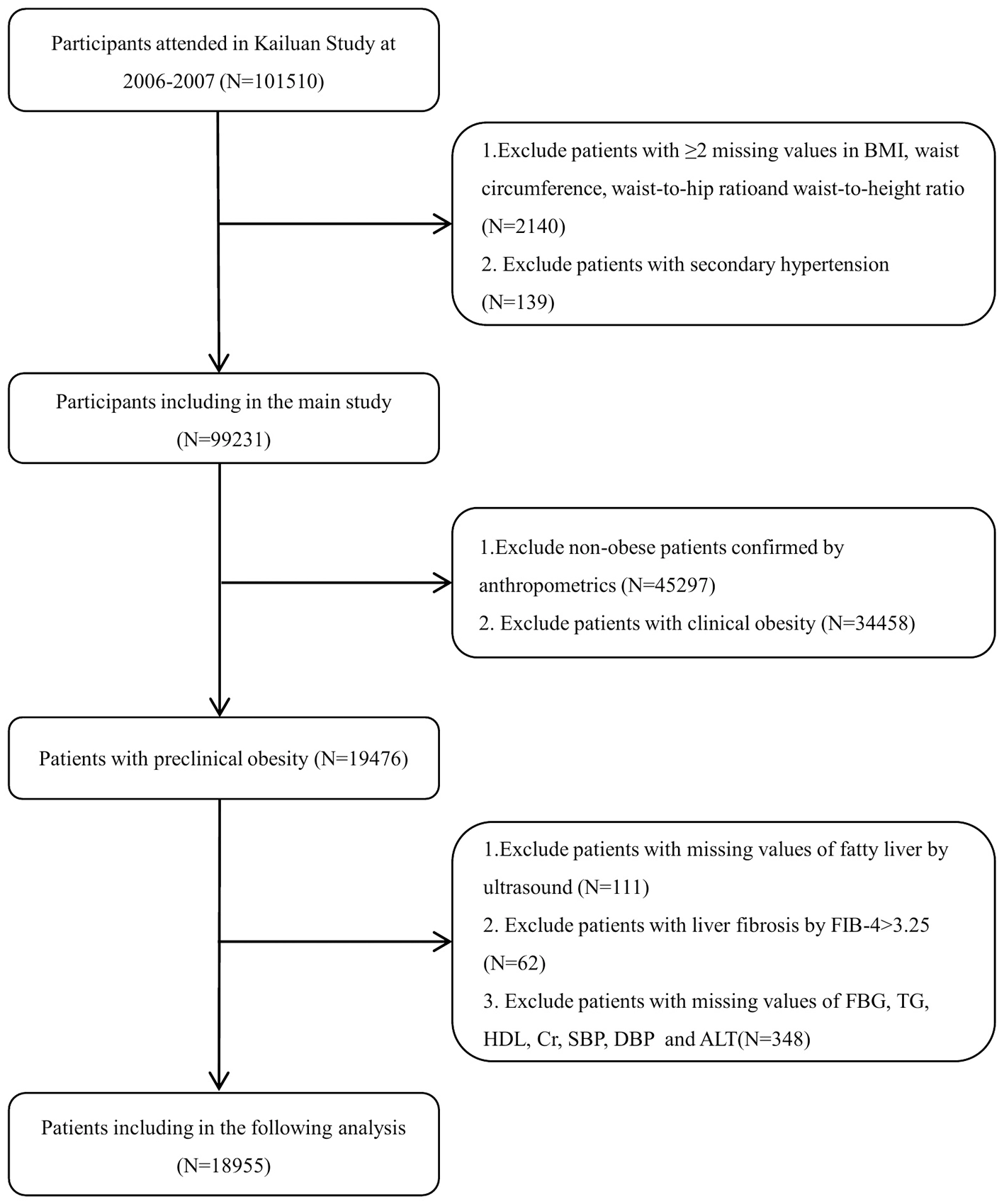
Researchers followed 18,955 adults with preclinical obesity, meaning excess body fat without established organ dysfunction, in a prospective cohort study from the Kailuan Study. They used abdominal ultrasound to identify fatty liver and grade its severity. Over a median follow-up of 7.8 years, 11,463 participants developed clinical obesity, defined as at least one obesity-related organ dysfunction. Ultrasound-defined fatty liver was independently associated with higher risk of progression, with an adjusted hazard ratio of 1.59. The risk was higher with more severe fatty liver. High blood pressure, obstructive sleep apnoea, and a syndrome of high blood sugar and abnormal blood fats were the most common organ dysfunctions that contributed.
Why it matters
Obesity-related organ damage matters for healthy lifespan. The authors suggested that ultrasound-defined fatty liver may help identify people with preclinical obesity at higher risk and support targeted metabolic surveillance.
Caveats
This observational study cannot show that fatty liver caused the transition to clinical obesity. The outcome was defined as the occurrence of at least one organ dysfunction.
The paper
Show 10 more authors
Yuxian Wang, Zhenyu Huo, Yajing Liang, Hong Zheng, Yulong Lan, Shuohua Chen, Gianpaolo Vidili, Gavino Casu, Leonardo A. Sechi, Shouling Wu,University of Sassari · Second Affiliated Hospital of Shantou University Medical College
Frontiers in Nutrition · 22 Sep 2026