Social isolation linked to poorer memory in young and older adults
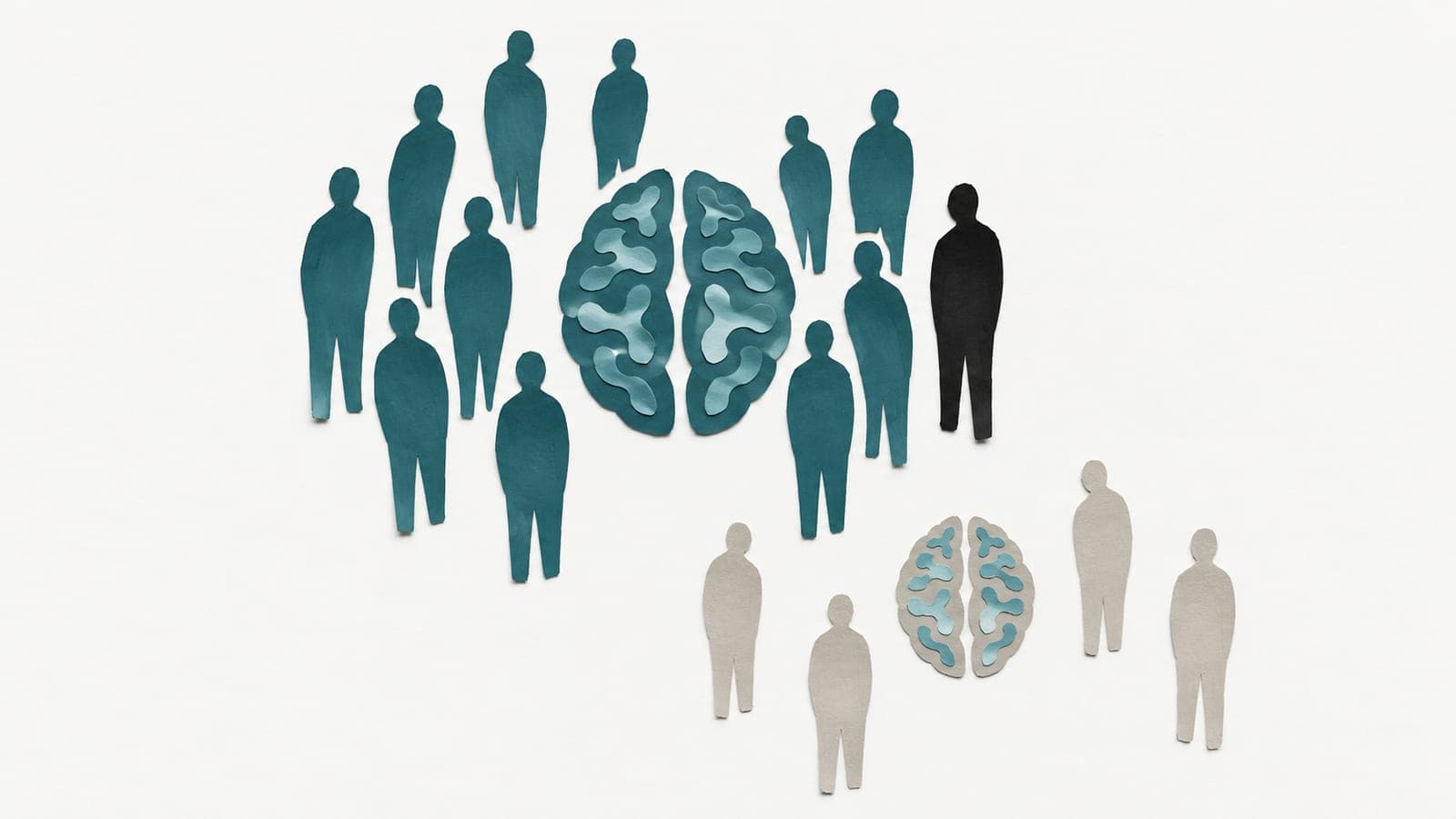
An observational analysis of 18,553 people aged 11 and older across three US cohorts linked persistent isolation and loneliness to poorer memory scores.
Declared no competing interests
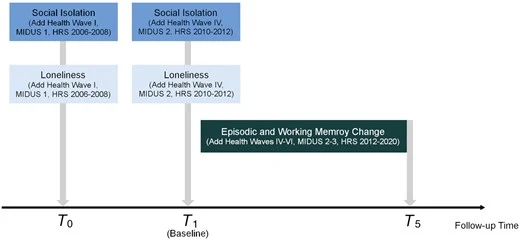
In an observational study, researchers analysed data from 18,553 people aged 11 and older in three large US population-based cohorts. They classified social isolation and loneliness as never present, temporary or persistent. They assessed subsequent memory using word recall, repeating numbers backwards and repeatedly subtracting seven.
Social isolation was linked to poorer memory in young and older adulthood. Loneliness was linked to poorer memory in older adulthood. Longer exposure, particularly persistent isolation or loneliness, predicted poorer scores. These associations weakened but largely remained after accounting for social, demographic, behavioural and health risk factors. Links with the rate of memory decline were weaker and less consistent across the cohorts.
Why it matters
Tracking memory across the life course helps assess when social disconnection may matter for cognitive aging. The authors recommended reducing persistent isolation starting early in life and loneliness in later life.
Caveats
This observational study cannot show that isolation or loneliness caused poorer memory, even after accounting for measured risk factors.
The paper
University of North Carolina at Chapel Hill
The Journals of Gerontology, Series B, 1 Oct 2026