Childhood famine exposure is linked to higher later-life frailty
Compared with unexposed cohorts, exposure at ages 0–3 and 4–11 was associated with a 0.021 and 0.042 rise in later-life frailty, appearing only in men.
Social Science & Medicine
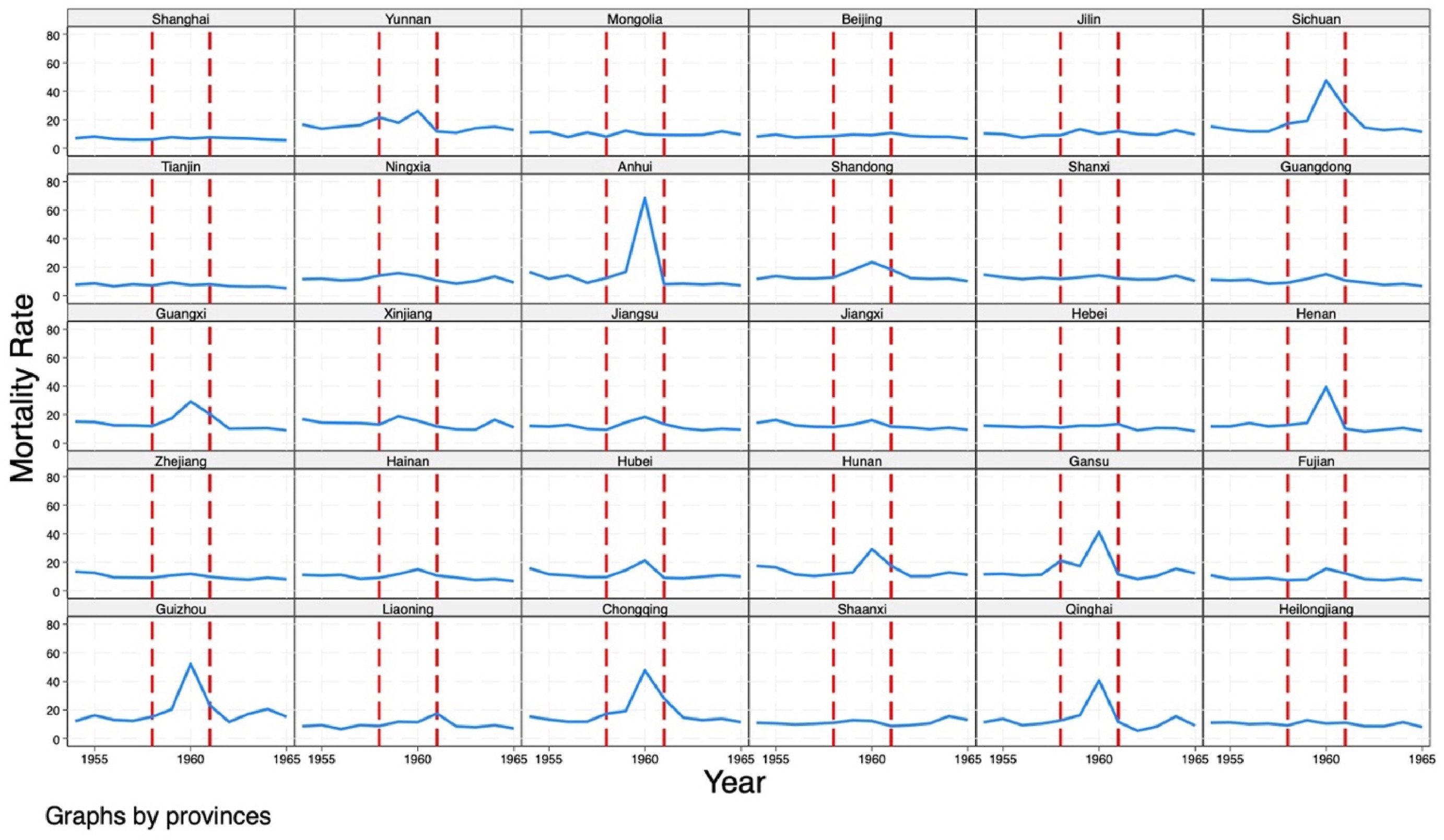
In a study of 19,426 individuals in China born between 1910 and 1968, researchers examined the long-term health consequences of exposure to the 1958–1961 Great Leap Forward movement and famine. Using a cross-sectional difference-in-differences approach designed to account for several types of selection bias, the authors compared cohorts exposed to the event across different stages of life.
Compared with unexposed individuals, exposure to the Great Leap Forward at ages 0 to 3 and ages 4 to 11 was associated with a 0.021 and 0.042 increase in later-life frailty, respectively. By contrast, the authors observed no significant adverse effects among individuals who were exposed during adolescence or adulthood. Subsequent analyses revealed that significant adverse effects were observed only among men.
Why it matters
The findings suggest that early-life exposure to extreme external stress may influence vulnerability to frailty decades later. This highlights the potential role of early developmental windows in shaping long-term trajectories of biological aging.
Caveats
The study relies on a cross-sectional design, which cannot establish causality despite adjustments for selection bias. In addition, the adverse associations were observed only in male participants.
The paper
University College London · University of Essex
Social Science & Medicine · 25 Sep 2026