Partial amelioration of CPC-induced oocyte defects following melatonin supplementation
Abstract
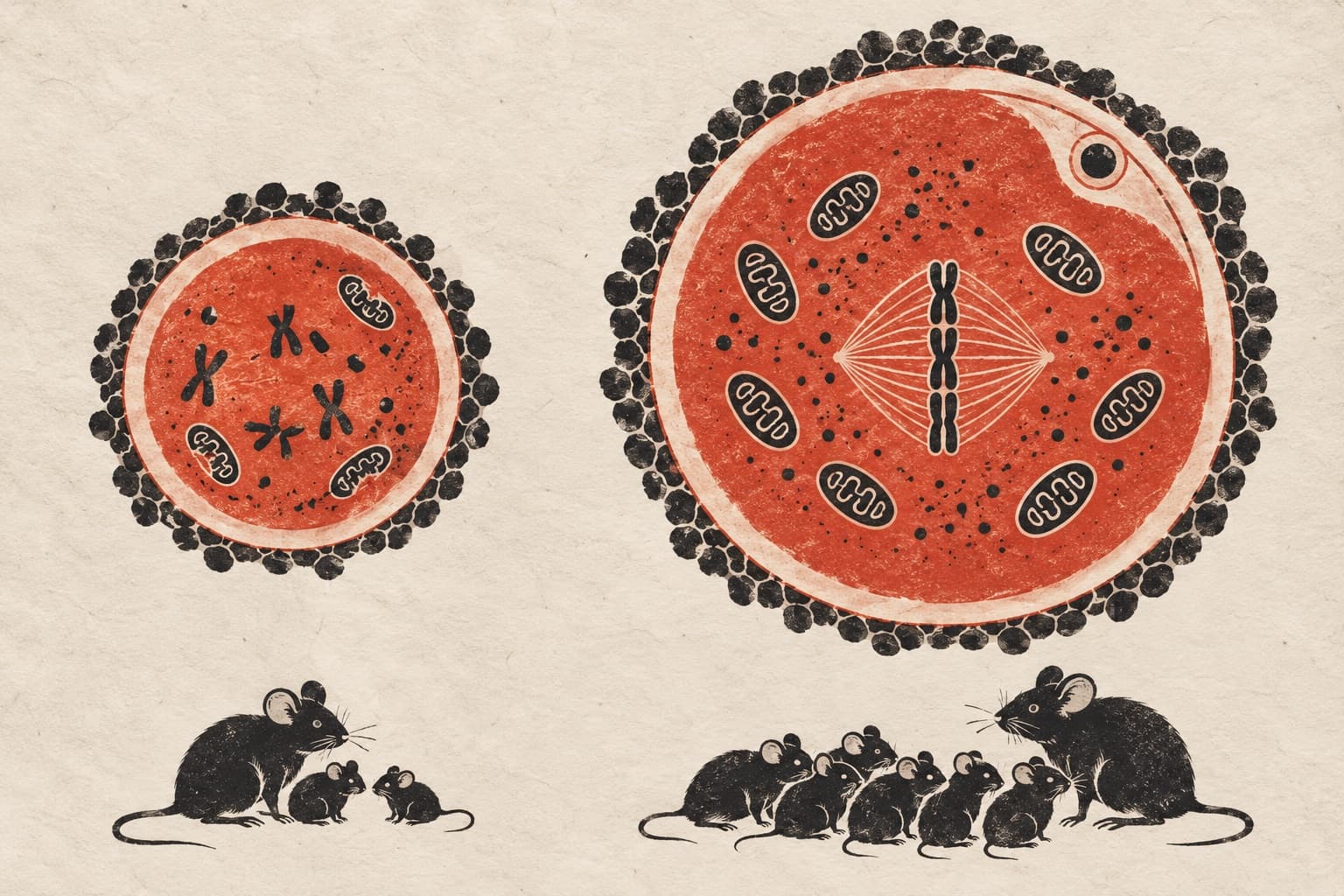
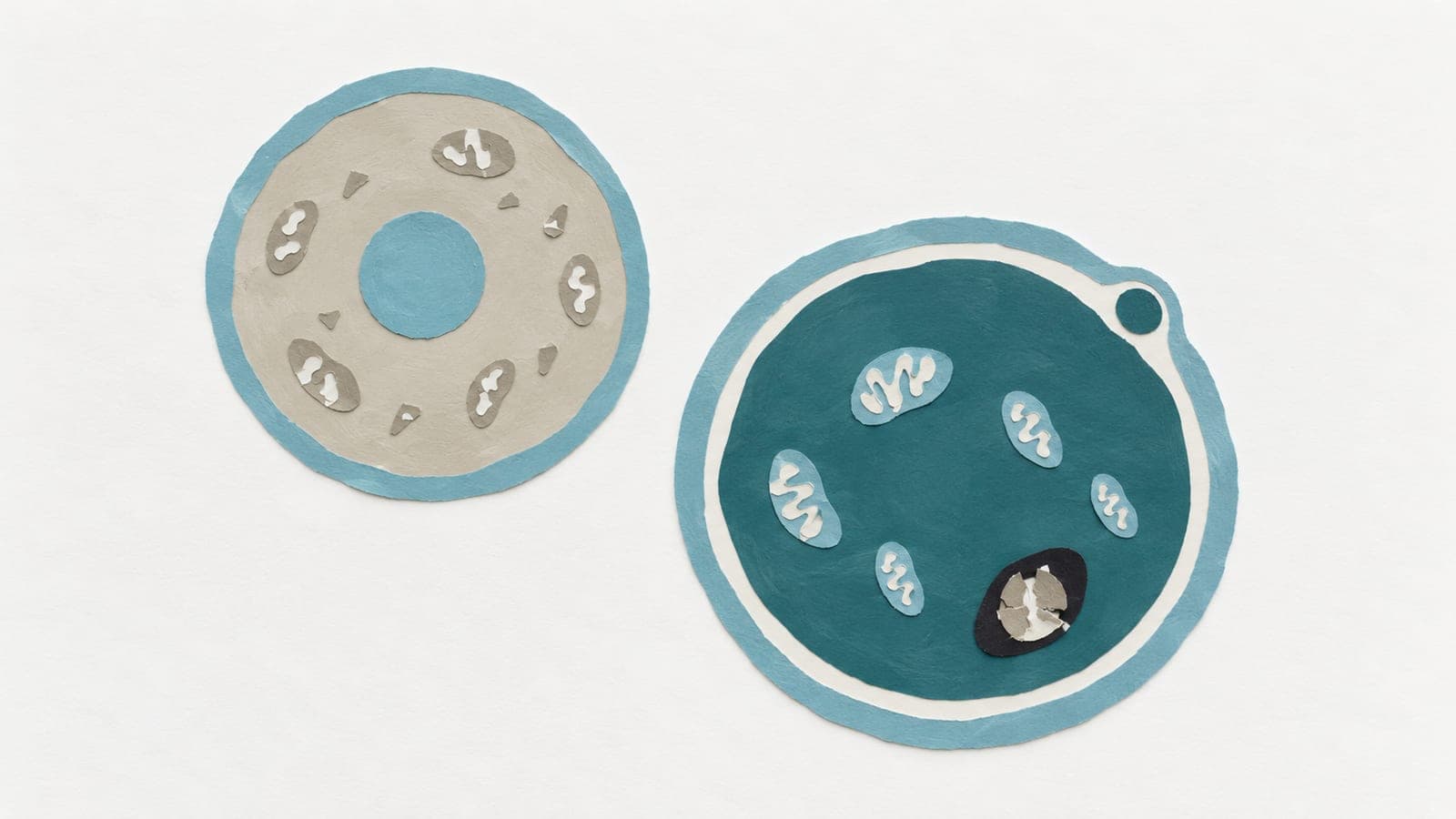
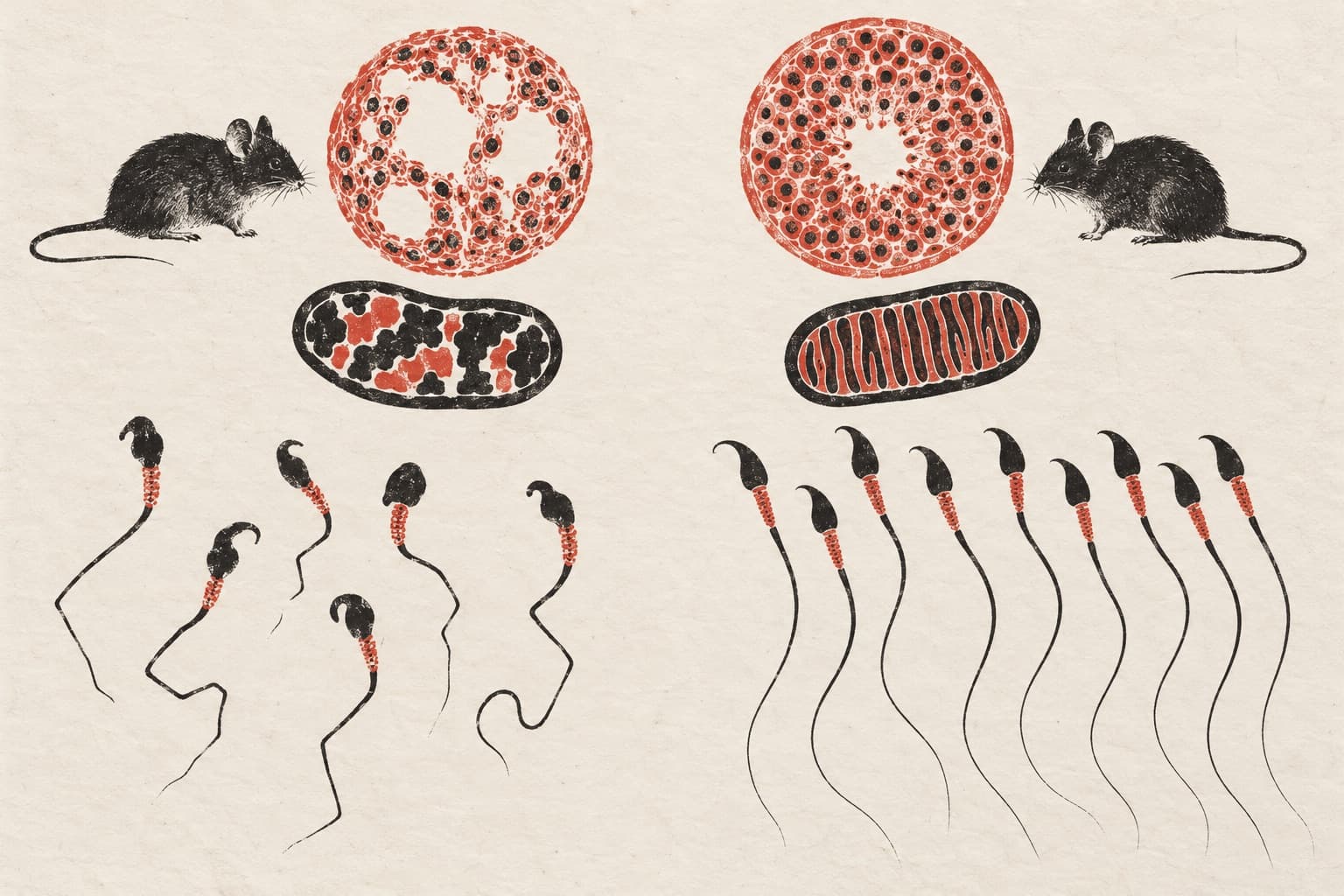
Cetylpyridinium chloride (CPC) is a prevalent disinfectant utilized as an antimicrobial agent at millimolar concentrations in numerous products directly applied to humans. Recently, CPC has been documented to have detrimental effects on female reproduction. Nevertheless, the precise mechanisms through which CPC impairs mammalian oocyte quality and the corresponding protective interventions remain inadequately elucidated. In this study, we identified that CPC can hinder oocyte maturation in vitro at nanomolar concentrations. Mechanistically, CPC disrupts spindle morphology and chromosome alignment and reduces α-tubulin acetylation levels, impairing oocyte developmental competence. Furthermore, CPC exposure altered mitochondrial distribution and intracellular Ca²⁺ homeostasis, while non-significant trends toward increased TMRE fluorescence and reduced ATP content were observed. These changes are associated with excessive ROS accumulation and DNA damage, which may act as downstream amplifiers of CPC-induced toxicity, ultimately triggering early apoptosis in oocytes. Melatonin, the primary hormone secreted by the pineal gland, is recognized as a free radical scavenger and antioxidant. We observed an association between melatonin supplementation and partial amelioration of spindle-chromosome abnormalities, redox imbalance and mitochondrial dysfunction in CPC-exposed oocytes. In conclusion, these findings illustrate that nanomolar concentrations of CPC used in vitro studies have potential harmful effects on mammalian oocyte quality. This study provides insights into potential mechanism underlying melatonin treatment against oocyte damage.
The paper
Ministry of Education of the People's Republic of China; Anhui Medical University
Reproductive Toxicology, 20 Sep 2026