Motor Improvements Following Non-Invasive Brain Stimulation with kTMP: A Case Study of Cerebellar Stroke
Abstract
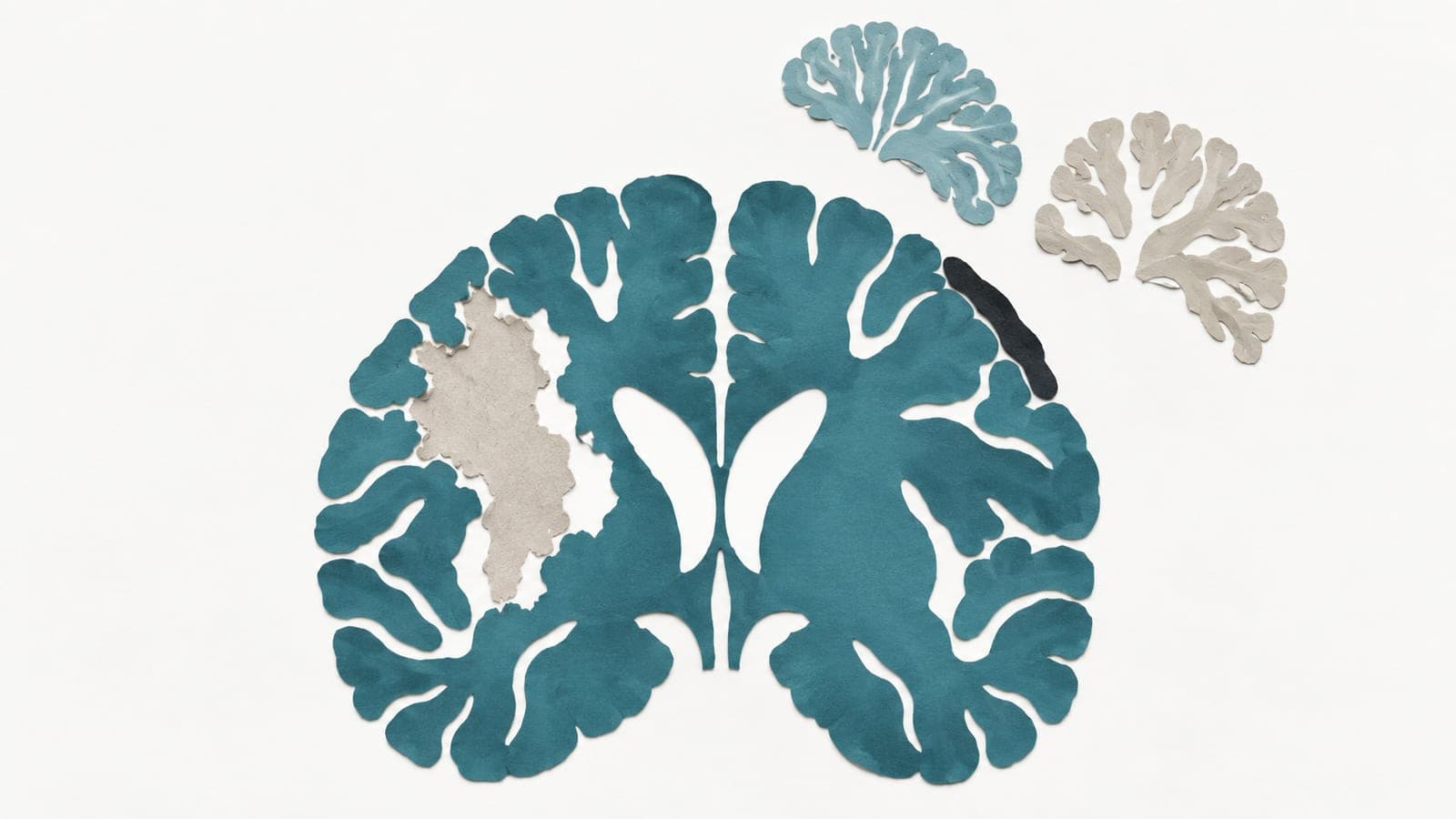
Cerebellar ataxia results in debilitating impairments in balance, gait, and cognition, with no established effective treatments. Kilohertz transcranial magnetic perturbation (kTMP) is a novel subthreshold non-invasive brain stimulation (NIBS) method that delivers strong, subthreshold electric fields to the cerebellar cortex without discomfort. We present the case of a 78-year-old patient with cerebellar ataxia following hemorrhagic stroke who underwent amplitude-modulated kTMP (AM-kTMP) targeted to vermal and paravermal cerebellar regions. The design involved an open-label phase followed by a fixed-sequence sham-active comparison. Active AM-kTMP, delivered as part of a NIBS-training protocol, produced improvements on clinical scales of ataxia alongside enhanced gait stability, with no device-related adverse reactions, representing a promising NIBS intervention for cerebellar disorders.
The paper
University of California, Berkeley
Cerebellum, 11 Sep 2026, Open access