Research progress on polysomnographic characteristics and cognitive function in perimenopausal obstructive sleep apnea
Abstract
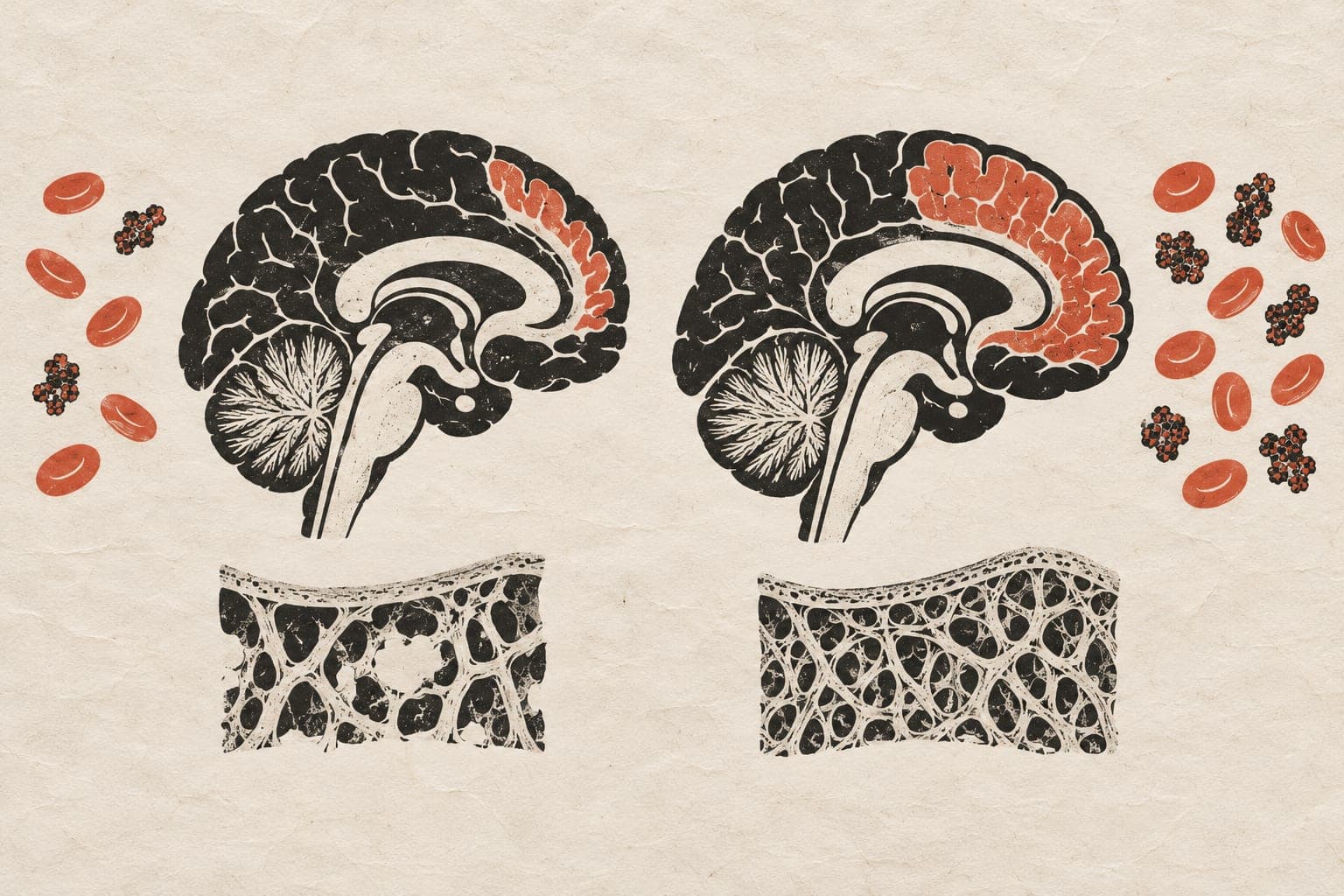
The prevalence of obstructive sleep apnea (OSA) is significantly increased in perimenopausal women. However, its symptoms overlap considerably with menopausal symptoms, leading to a very high underdiagnosis rate. Unrecognized OSA may exacerbate cognitive decline through intermittent hypoxia and sleep fragmentation. Recent studies have revealed a unique polysomnographic (PSG) "physiological fingerprint" in this population: predominance of hypopnea events, respiratory events highly concentrated in rapid eye movement (REM) sleep, a "high-frequency low-amplitude" hypoxic pattern, and sleep fragmentation with frequent microarousals. This characteristic profile is mechanistically linked to cognitive impairment: REM sleep disruption impairs emotional memory consolidation, frequent microarousals disrupt executive function and attention, and intermittent hypoxia constitutes the pathological basis of cognitive decline through oxidative stress and neuroinflammation. However, the current diagnostic framework based on the traditional apnea-hypopnea index (AHI) fails to capture the true disease burden, and targeted intervention strategies are lacking. This review aims to systematically summarize the PSG characteristics of perimenopausal women with OSA and their association with cognitive impairment, exploring multidimensional assessment approaches beyond AHI and individualized intervention pathways, thereby providing evidence-based guidance for early identification and precision management of this high-risk population.
The paper
Jilin University
Zhonghua Jie He He Hu Xi Za Zhi, 7 Sep 2026
doi.org/10.3760/cma.j.cn112147-20260305-00125PubMed 42706212