Virtual reality improved walking more in Parkinson disease
A randomized trial in 50 older adults compared 12 weeks of virtual reality walking training with aquatic Tai Chi, finding greater gains with virtual reality.
50 participants, blinded
Limit: Not all participants completed the trial, and handling of missing data was unreported
Edited by Boris Djordjevic · AgingResearch.News
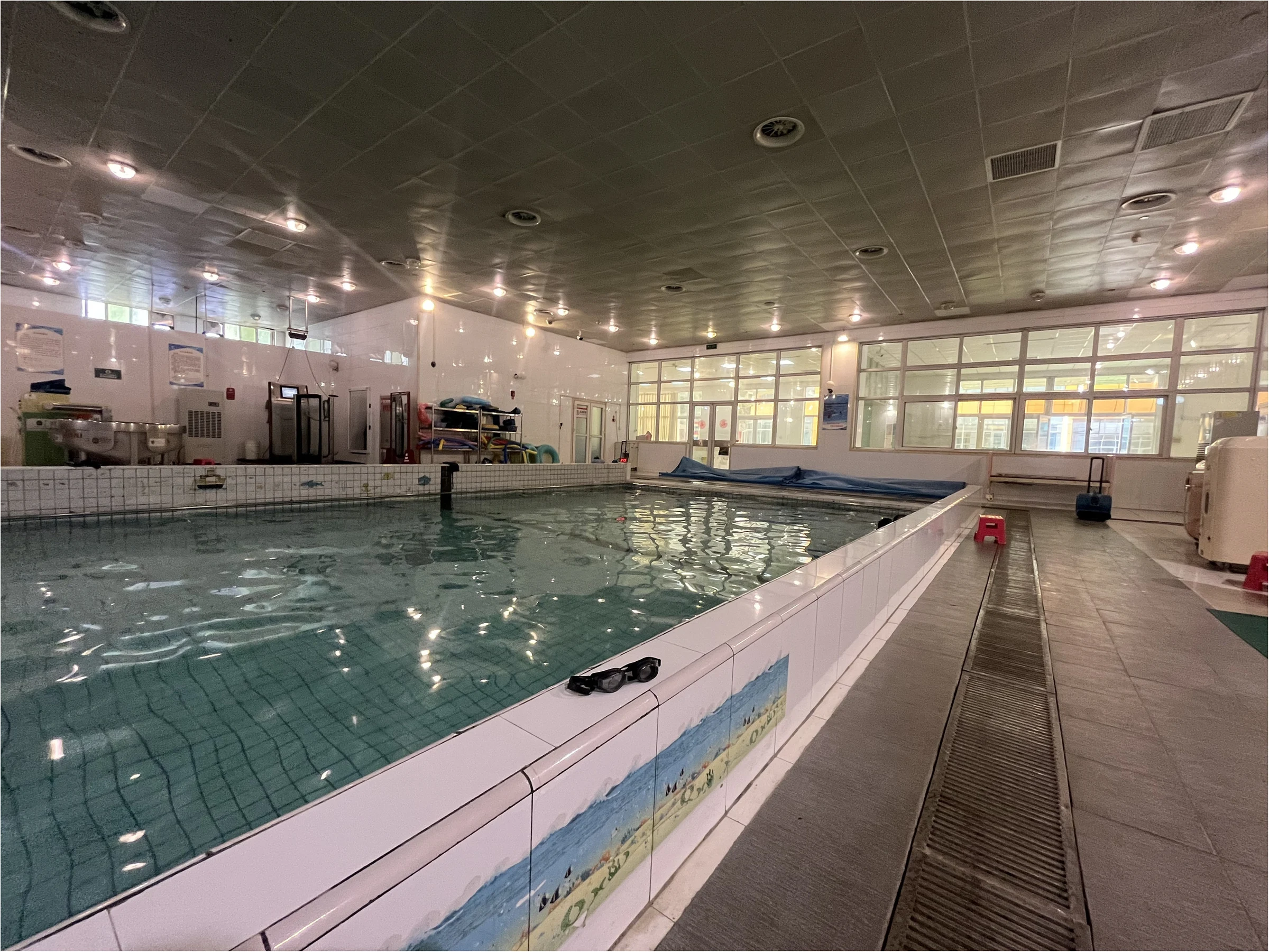
Fifty older adults with Parkinson disease and balance impairment took part in a randomized trial comparing virtual reality walking training with aquatic Tai Chi. Researchers assigned 24 participants to virtual reality and 26 to Tai Chi. Both programs involved 40-minute sessions, five times a week, for 12 weeks.
Both groups improved on measures of movement, balance and walking at weeks 6, 12 and 24 compared with their starting scores. At week 12, the virtual reality group had better movement and balance scores, quicker standing-and-walking test times, and longer six-minute walking distances than the Tai Chi group. At week 24, virtual reality retained advantages in balance and selected walking measures, including how similarly the two sides moved while walking.
Why it matters
For older adults with Parkinson disease, the trial addresses which rehabilitation approach may better support walking and balance over time.
Caveats
Forty of 50 participants completed the trial; the abstract does not report how incomplete data were handled or whether adverse events occurred. The findings concern older adults with stage 2–3 Parkinson disease and balance impairment, not people with Parkinson disease generally.
The paper
Chengdu Sport University; Hong Kong Baptist University
Archives of Physical Medicine and Rehabilitation, Aug 28, 2026, Open access


