Childhood poverty linked to poorer healthy aging in later life
Across 32 countries, older adults who grew up poor scored 0.14 standard deviations lower on a healthy aging scale than those who did not.
80,000 participants
Limit: Childhood poverty classification relied on error-prone recollections of childhood conditions
Edited by Boris Djordjevic · AgingResearch.News
In an observational study, 80,319 adults aged 50 and older in 32 wealthy and developing nations recalled childhood conditions and later reported their health functioning. Participants came from six aging cohorts; 56.6% were women. The analysis used memories of conditions at ages 10–14, such as overcrowding and household facilities, to classify childhood poverty. It combined health measures, including depression, into a healthy aging score.
Adults classified as poor in childhood scored 0.14 standard deviations lower—a gap measured relative to the spread of scores. The association remained after accounting for parental socioeconomic position, age, sex, education, wealth, marital status and country. Women also reported lower healthy aging scores, and scores varied across countries.
Why it matters
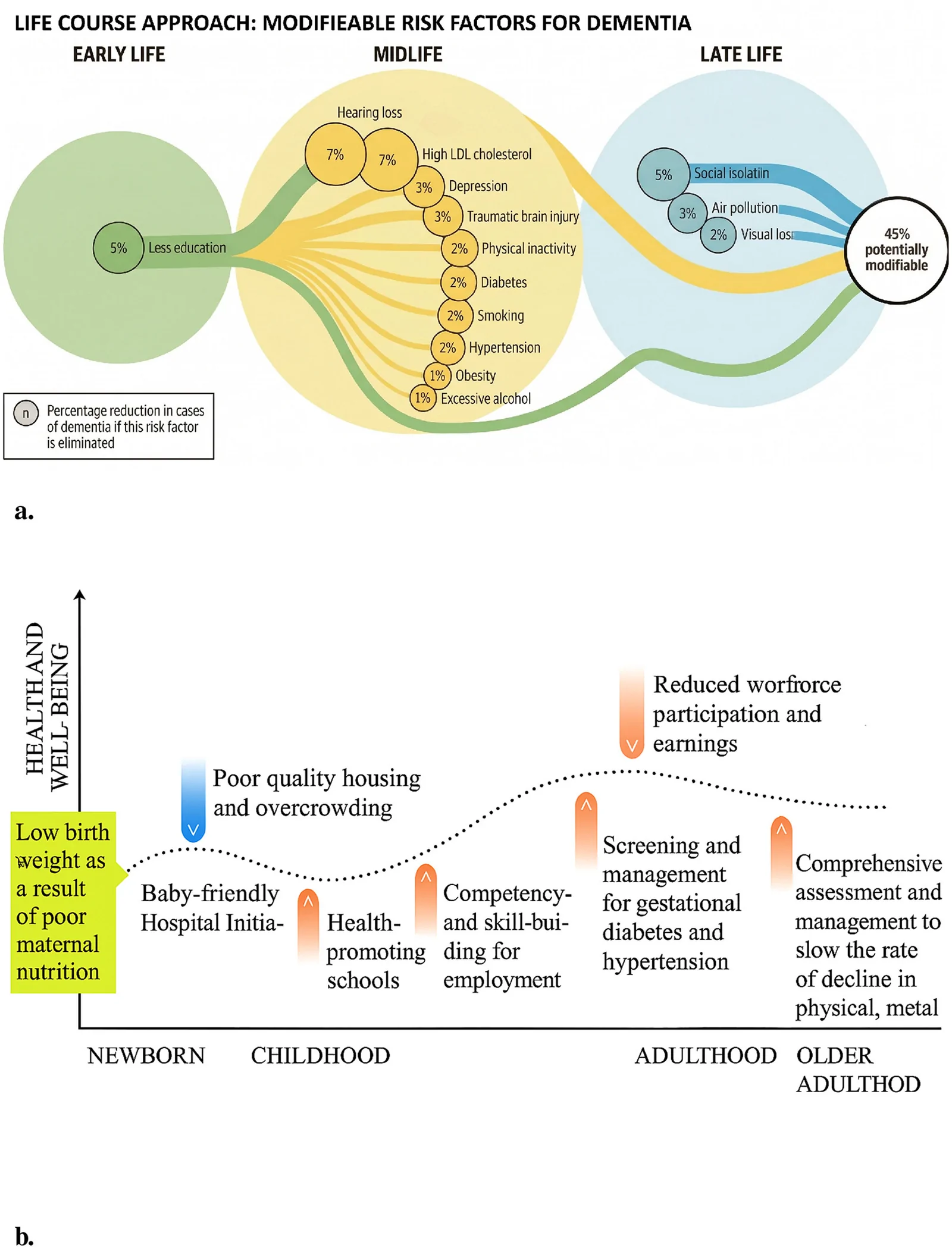
Childhood conditions bear on the question of how early efforts to support healthy aging should begin. The author recommends evaluating childhood health interventions with their potential lifelong benefits in mind.
Caveats
This observational study relied on childhood memories and cannot establish that poverty caused poorer later-life health. Poverty indicators differed across cohorts, and participation in interviews and health assessments may have influenced who entered the analysis.
The paper
University of Manchester
Frontiers in Public Health, Aug 10, 2026, Open access