Childhood advantage linked to slower cognitive aging
A 10-year cohort study of 13,357 adults aged 50 and older in China also linked estimated cognitive reserve to slower cognitive decline.
Limit: Cognitive reserve was estimated indirectly from education, job complexity and social engagement
Researchers analysed data from 13,357 adults aged 50 and older in China in a 10-year population-based observational cohort study. They assessed childhood socioeconomic status through parents’ education and job complexity. They estimated cognitive reserve—the capacity to maintain thinking skills despite brain changes—from participants’ education, job complexity and social engagement.
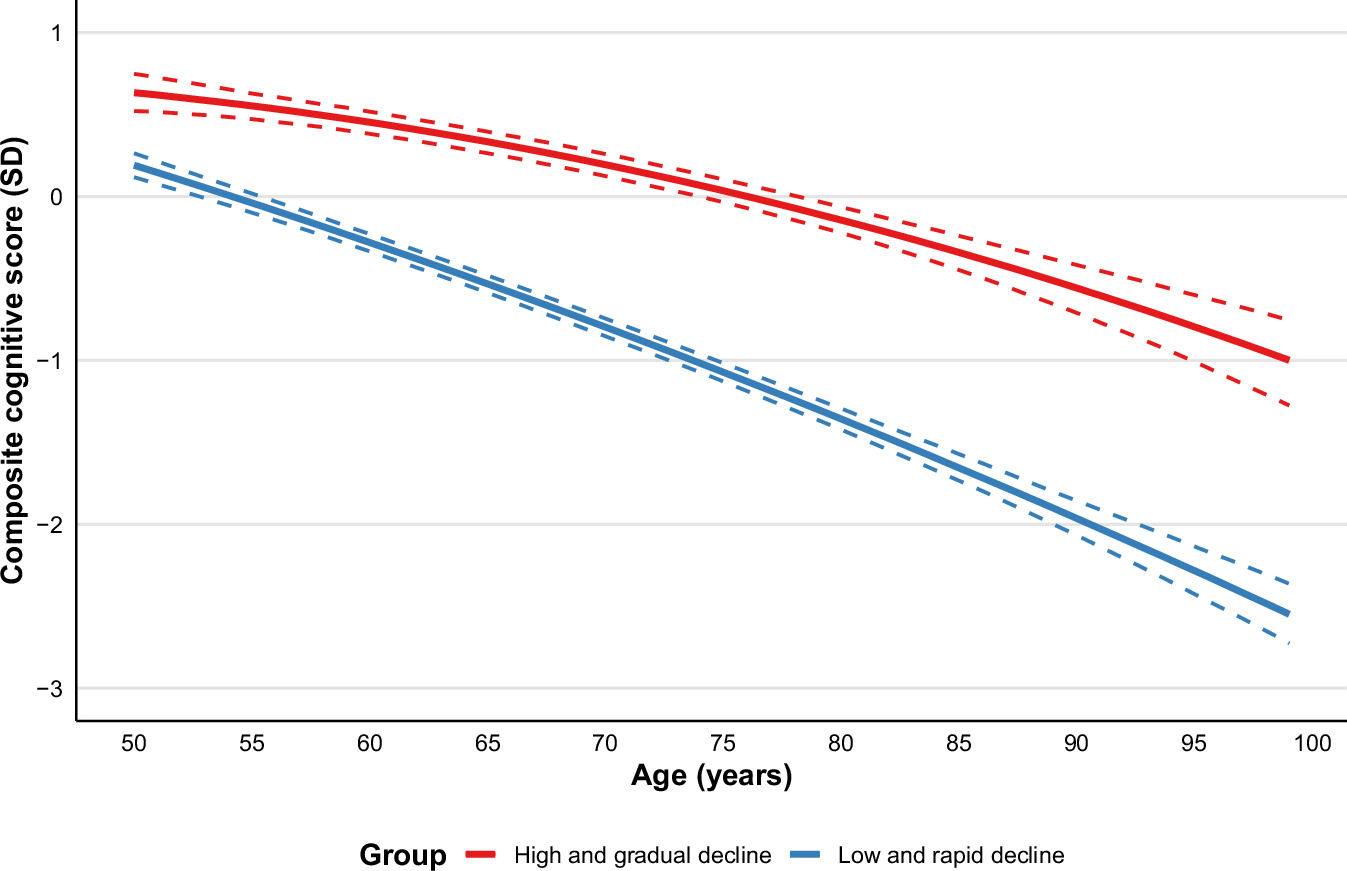
Participants followed two patterns: higher starting cognitive scores with gradual decline (25.3%), or lower starting scores with rapid decline (74.7%). Higher childhood socioeconomic status and higher estimated reserve were independently linked to the more favourable pattern, higher cognitive performance and slower decline with age. The estimated indirect link through cognitive reserve represented 57.8% of the association between childhood socioeconomic status and age-related decline.
Why it matters
Childhood circumstances and cognitive reserve may create combined advantages or disadvantages that contribute to widening inequalities in cognitive aging.
Caveats
This observational study cannot establish cause and effect or a causal pathway through cognitive reserve. Reserve was estimated using indirect measures, and the findings concern adults aged 50 and older in China.
The paper
University of California, Los Angeles; Fudan University
NPJ Aging, 15 Oct 2026, Open access, CC BY-NC-ND