Association of Principal Component Analysis-Derived Optical Coherence Tomography Angiography Microvascular Metrics with Mild Cognitive Impairment in Patients with Non-Proliferative Diabetic Retinopathy: A Cross-Sectional Study
Abstract
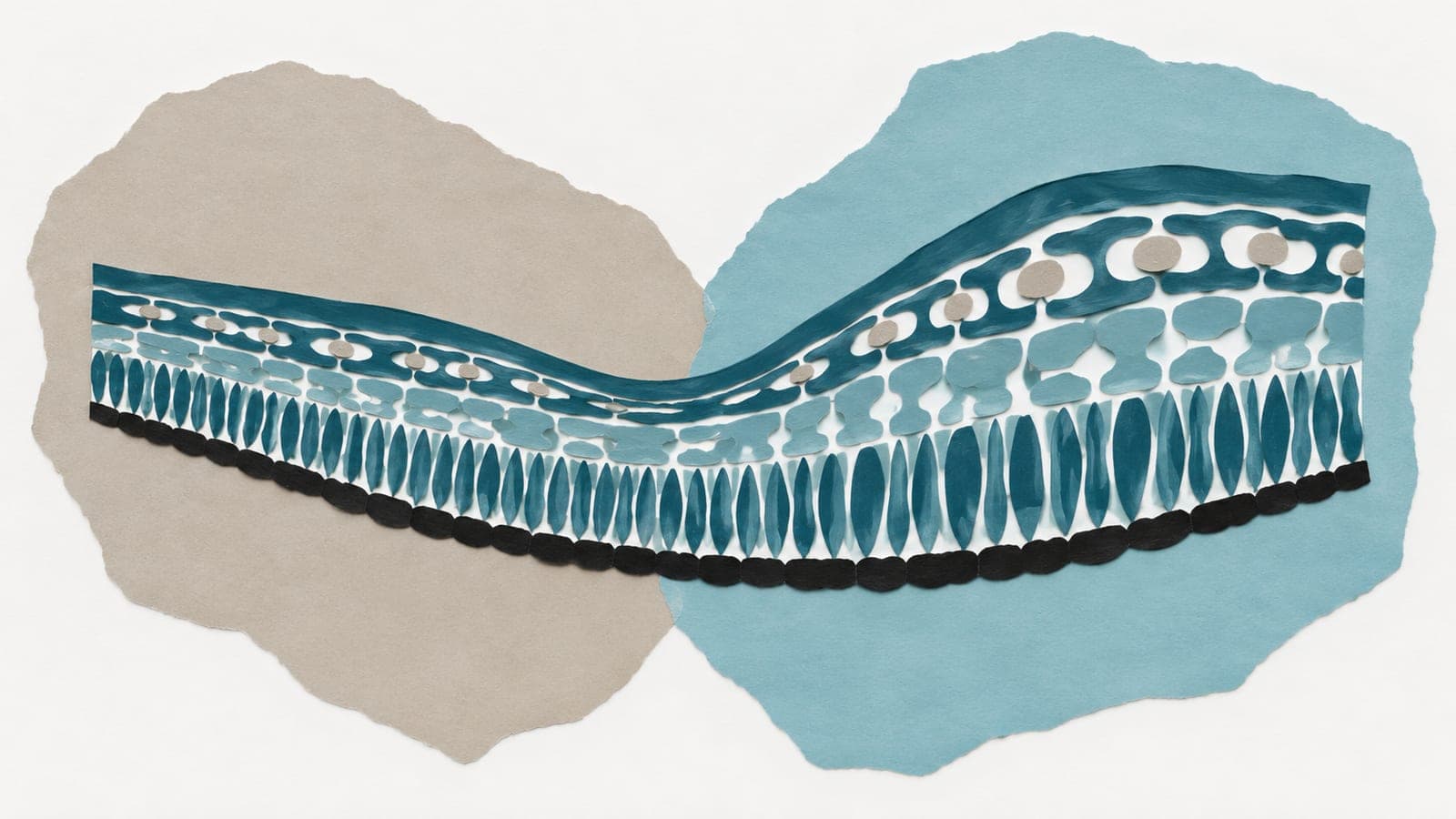
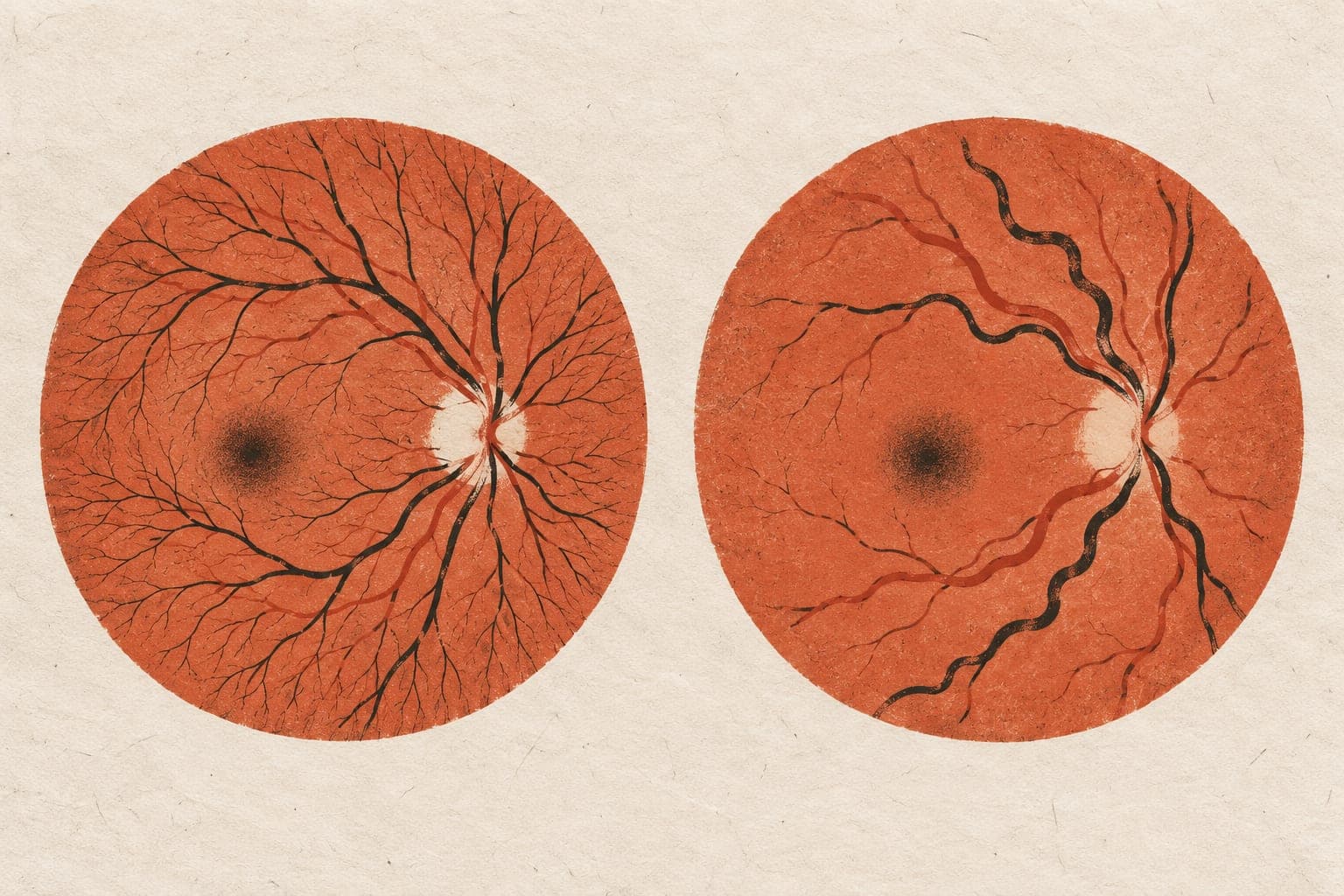
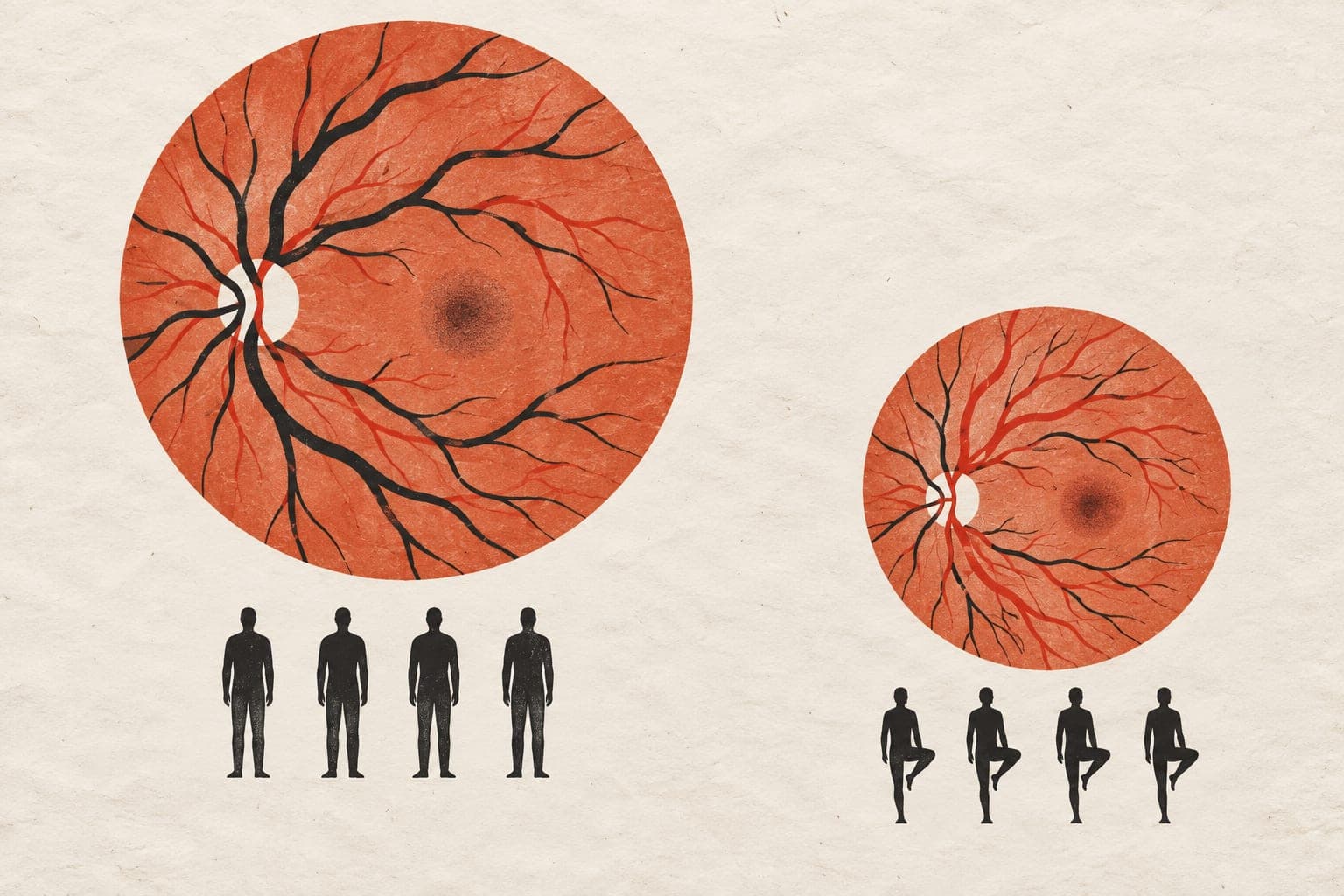
PURPOSE: To evaluate the association between principal component analysis (PCA)-derived optical coherence tomography angiography (OCTA) microvascular metrics and mild cognitive impairment (MCI) in patients with non-proliferative diabetic retinopathy (NPDR). METHODS: This cross-sectional study included patients with mild to moderate NPDR who underwent cognitive assessment and macular spectral-domain OCTA imaging. Cognitive status was assessed using the Chinese version of the Montreal Cognitive Assessment-Basic. En face OCTA images of the superficial vascular plexus (SVP), intermediate capillary plexus (ICP), and deep capillary plexus (DCP) were analyzed using an OCTAVA-based standardized image-processing workflow. OCTA vascular parameters, foveal avascular zone morphology, and lacunarity were extracted for each plexus. Generalized estimating equation models were used to account for inter-eye correlation. PCA was performed separately for each vascular plexus to reduce redundancy among correlated OCTA parameters and generate layer-specific composite scores. RESULTS: A total of 50 participants with mild or moderate NPDR (86 eyes) were included in the final analysis, including 26 participants (46 eyes) in the non-MCI group and 24 participants (40 eyes) in the MCI group. PCA identified a dominant shared variation pattern in each vascular plexus. PC1 explained 50.23%, 52.12%, and 56.92% of the total variance in the SVP, ICP, and DCP, respectively. After directional alignment, higher PC1-derived scores indicated greater OCTA-derived microvascular impairment. In adjusted logistic GEE models, higher PC1-derived scores were significantly associated with increased odds of MCI across vascular plexuses. Repeated random-split ROC analysis showed moderate discriminatory performance for unadjusted PC1-derived scores; however, after adjustment for covariates, the AUCs decreased to below 0.60. Adding PC2 and PC3 did not provide consistent incremental improvement. CONCLUSION: PCA-derived OCTA metrics may provide an interpretable approach for summarizing correlated vascular parameters and characterizing integrated microvascular alteration patterns related to MCI in NPDR. However, their limited adjusted discrimination requires further validation.
The paper
Chengdu University of Traditional Chinese Medicine
Current Eye Research, 24 Aug 2026