NF-κB across the Alzheimer disease spectrum: Context-dependent protective and pathogenic roles
Abstract
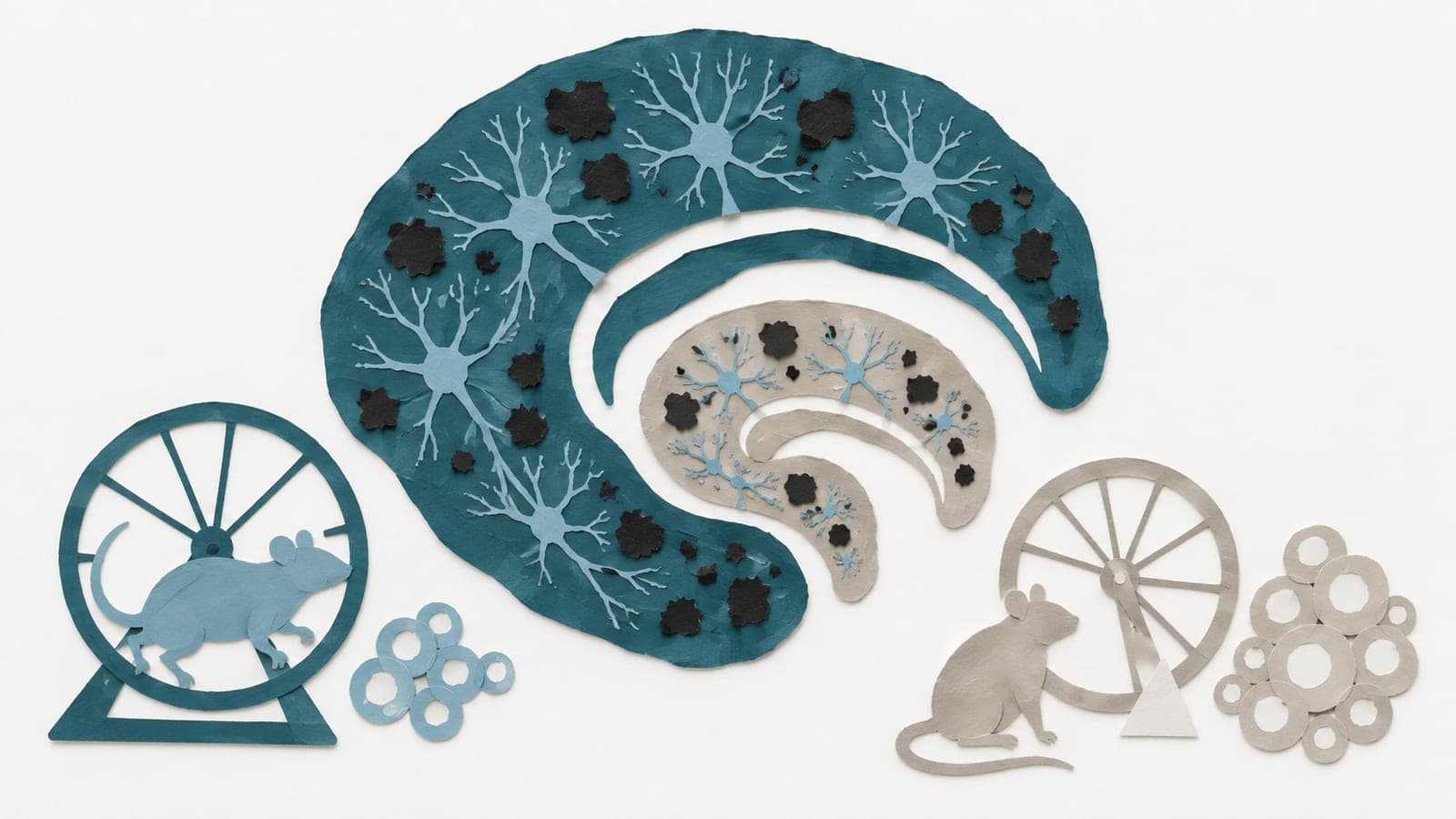
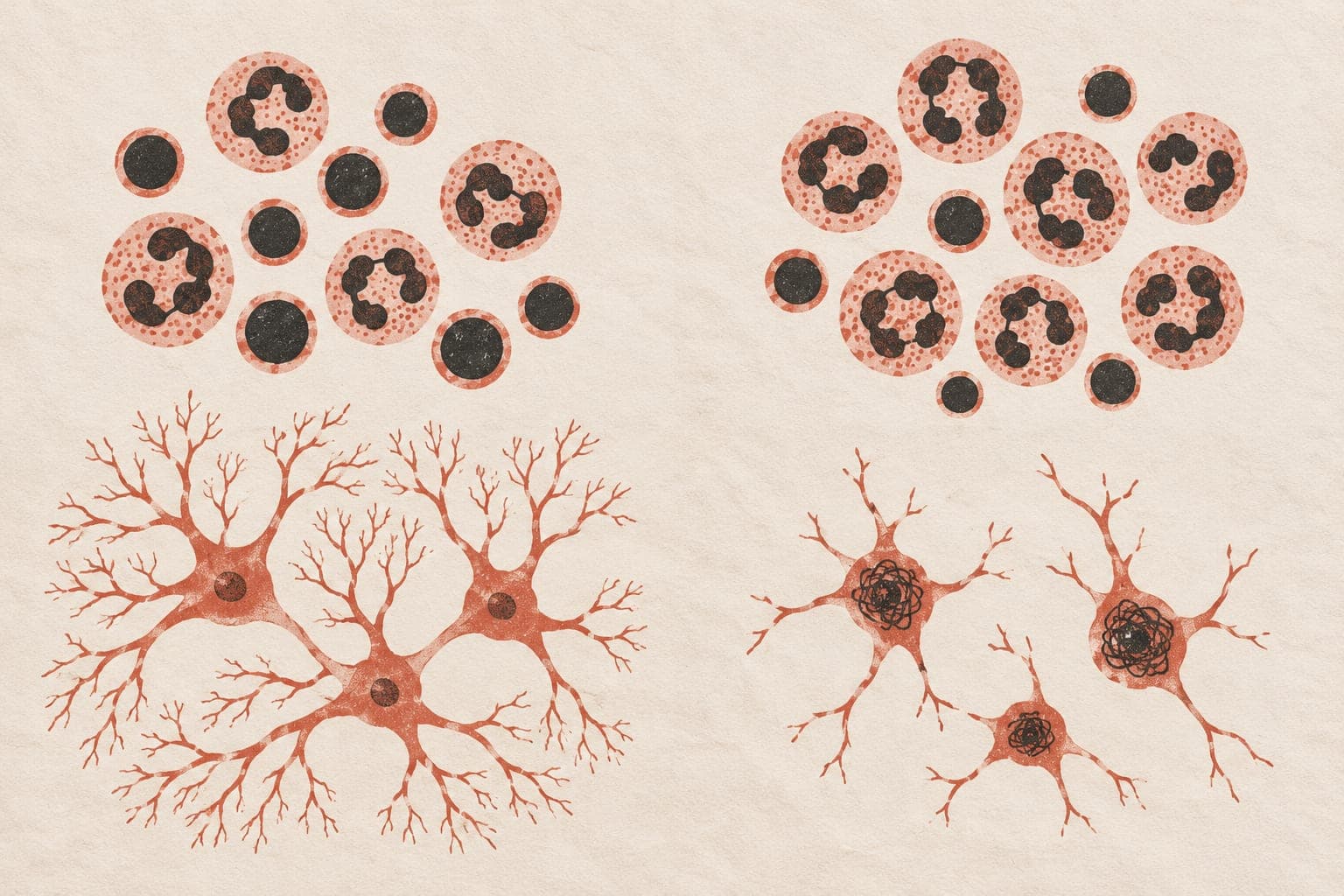
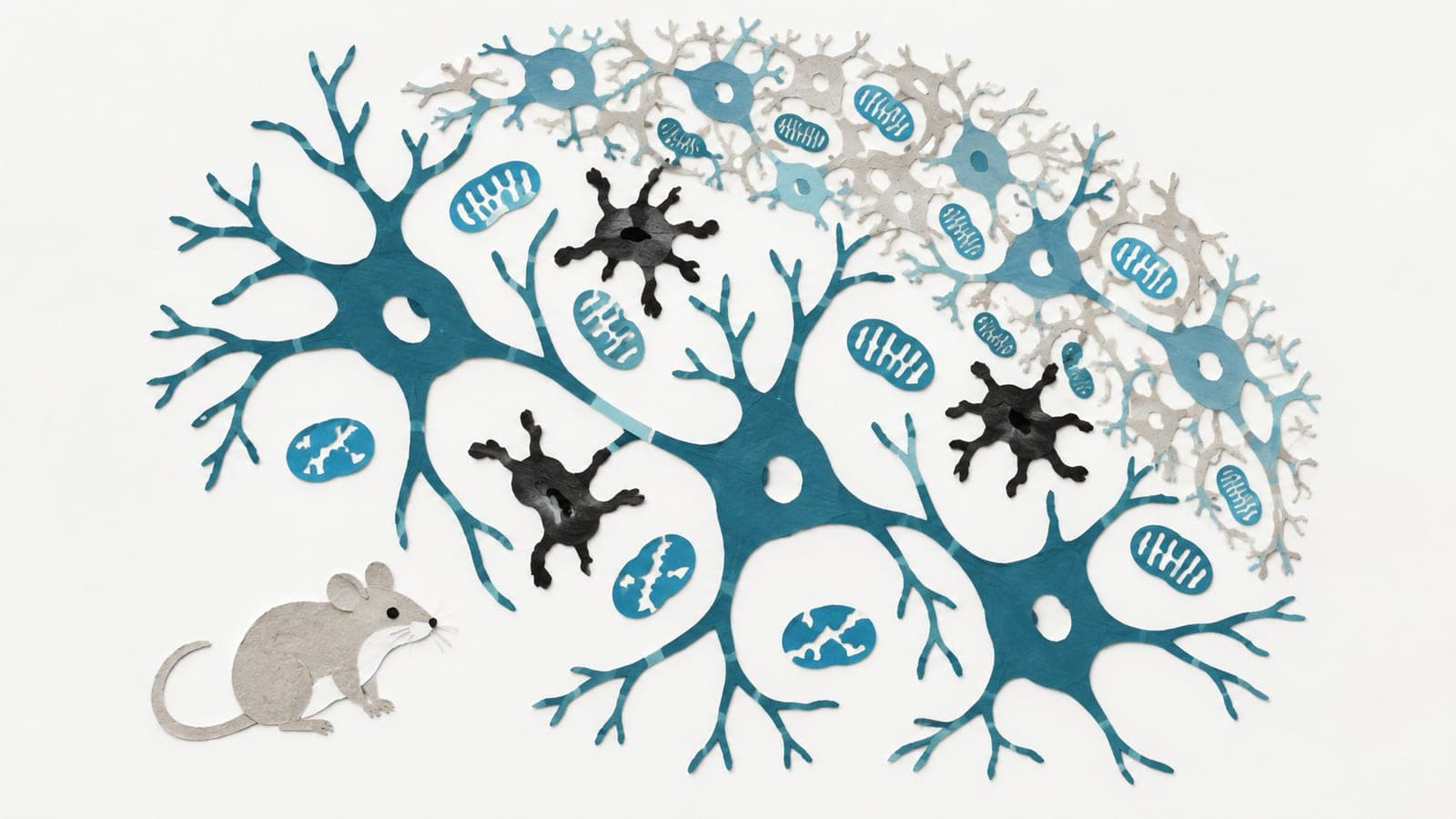
Nuclear factor kappa B (NF-κB) has been implicated in both protective and detrimental processes in Alzheimer disease (AD), creating an apparent contradiction in the literature. Increasing evidence, however, indicates that these divergent effects reflect differences in cell type, molecular configuration, activation kinetics, disease state, and the surrounding pathological environment rather than a true biological paradox. Under transient and tightly regulated conditions, NF-κB can support neuronal survival, stress adaptation, antioxidant defense, and selected compensatory responses to amyloid-β pathology. In contrast, persistent or disease-conditioned signaling is more consistently associated with amyloidogenic processing, tau propagation, chronic neuroinflammation, impaired proteostasis, neuronal dysfunction, and neurovascular injury. The available evidence therefore supports an asymmetric framework in which protective effects are confined to relatively specific molecular and temporal settings, whereas sustained pathological signaling is supported across a broader range of disease-relevant models and cellular processes. This distinction argues against indiscriminate activation or global inhibition of NF-κB, either of which could disrupt physiological functions while failing to selectively suppress disease-driving pathways. Therapeutic strategies should instead target defined pathological NF-κB programs within the relevant cell type and disease context while preserving adaptive and homeostatic signaling. This review synthesizes the context-dependent roles of NF-κB in AD and provides a framework for reconciling its apparently opposing effects.
The paper
Shiraz University of Medical Sciences; Zanjan University of Medical Sciences
IBRO Neuroscience Reports, 11 Aug 2026