Impact of exercise on cognitive efficiency in older adults with subjective memory complaints: a randomized clinical trial
24 weeks, registered ACTRN12614000017628, declared no competing interests
Abstract
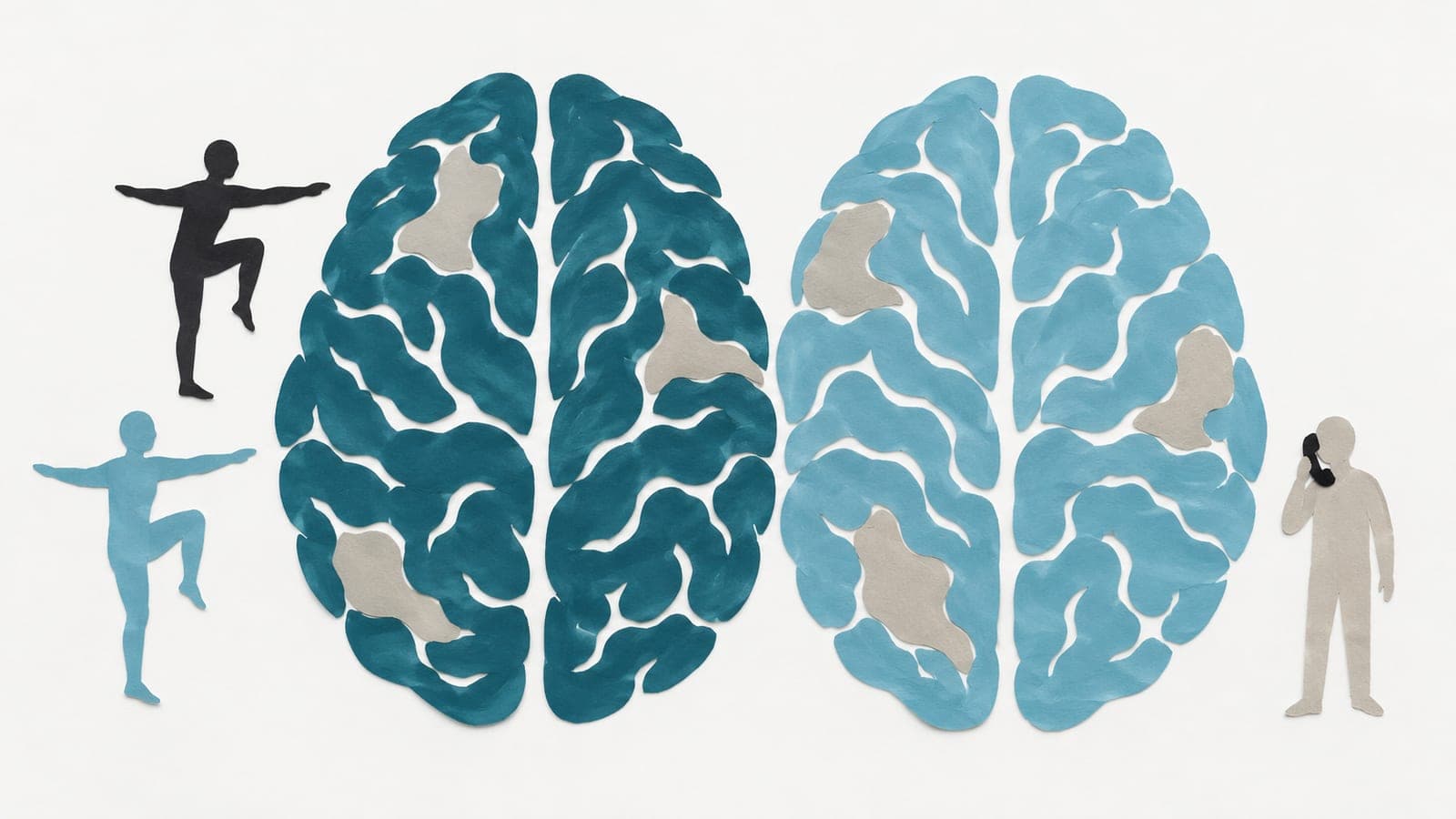
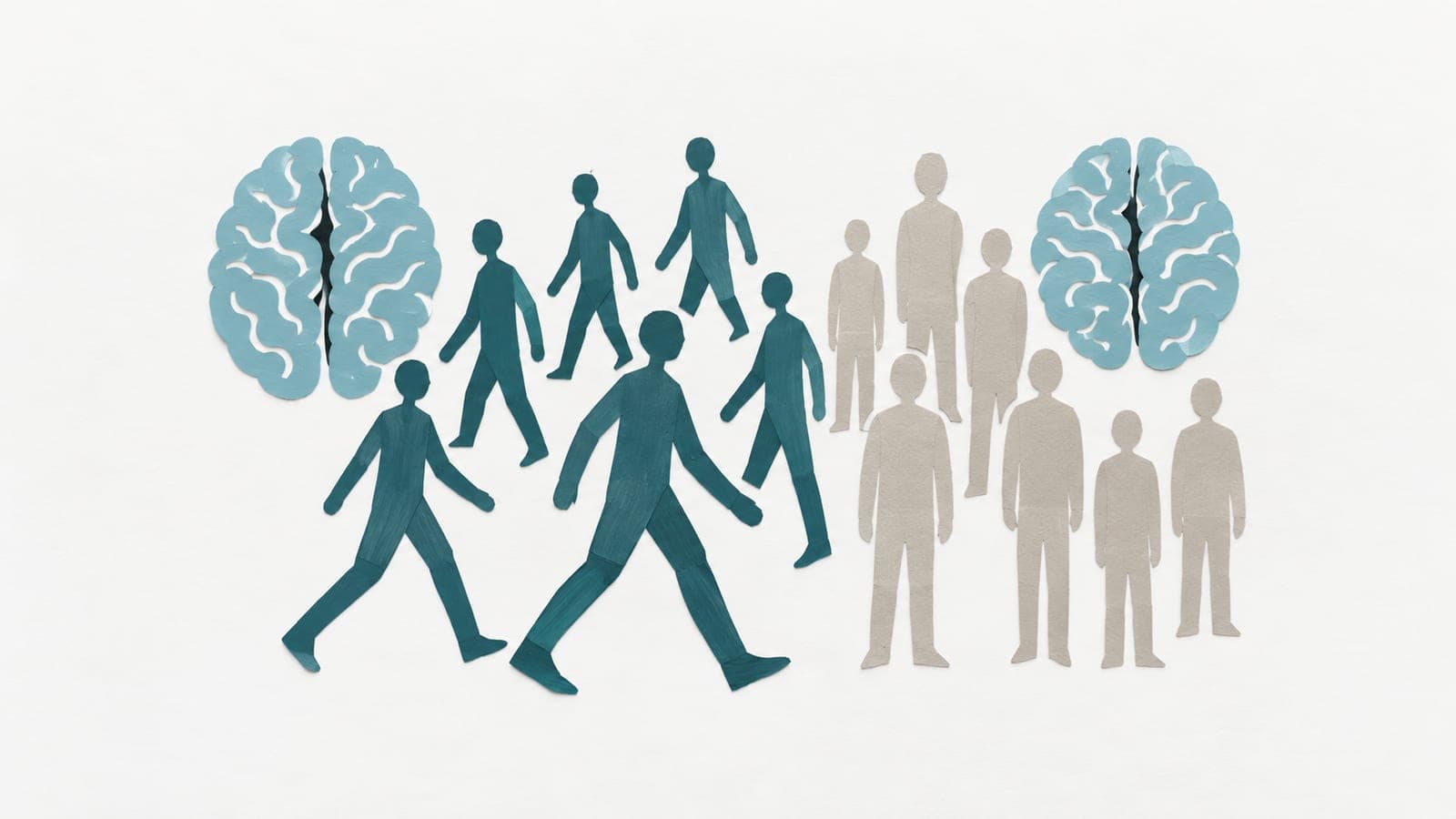
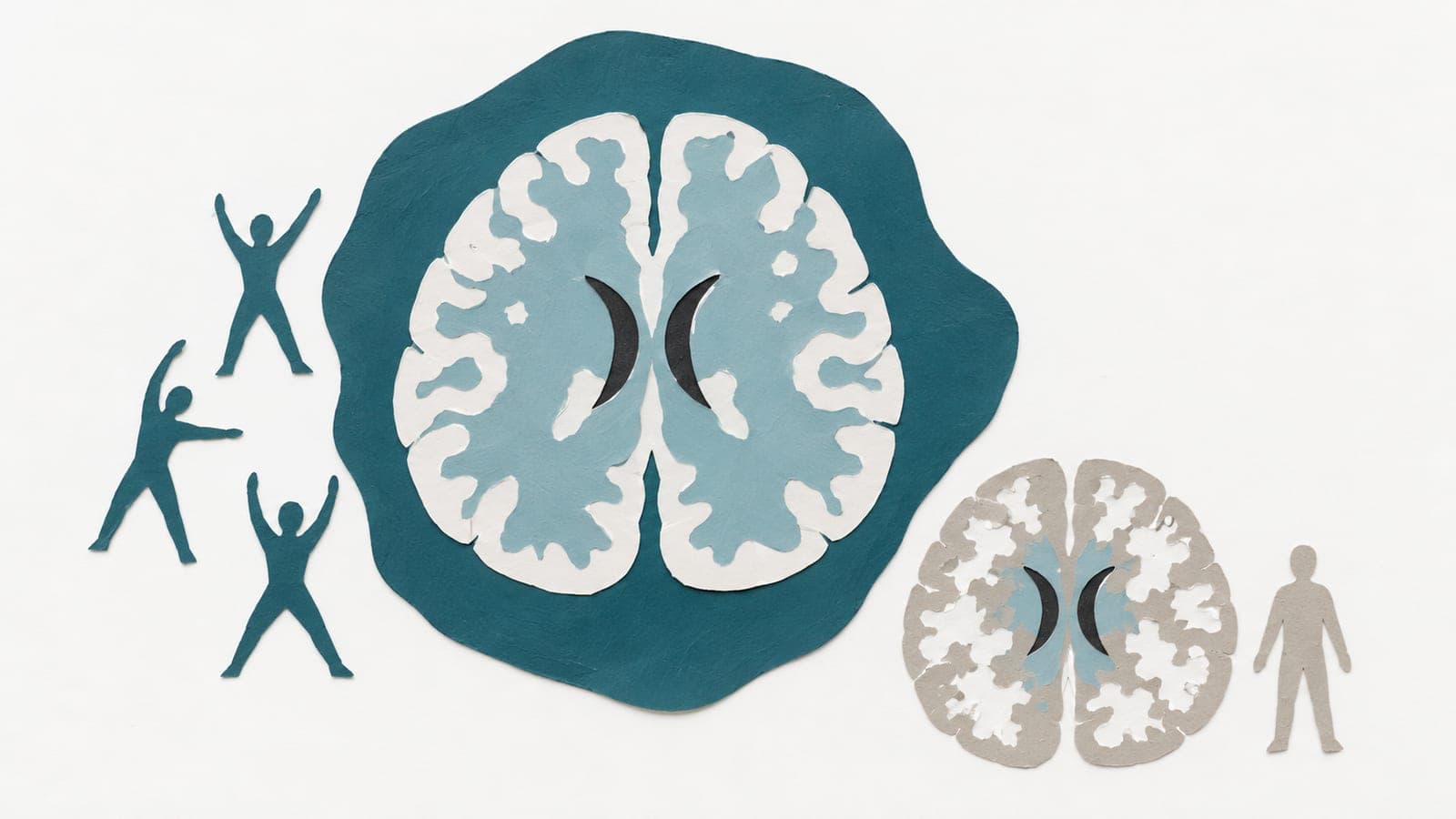
INTRODUCTION: Cerebrovascular dysfunction may contribute to cognitive impairment in older adults. Exercise is recommended for preventing cerebrovascular health and cognition; however, it remains unclear whether cognitive changes are related to changes in cerebrovascular function. Thus, this study aimed to examine whether exercise-induced changes in cognition and subjective memory complaints are associated with changes in cerebral blood velocity. METHODS: This study is a randomized controlled trial that included 72 sedentary older adults with memory complaints (age = 62 ± 7, 19 [26%♂]). Participants were randomized to a land-walking (LW), water-walking (WW), or control group (C). Exercise groups (n = 49, age = 63 ± 6, 13 [27%♂]) completed 24 weeks of supervised training (3 times/week, 50 min/session, at 40-65% of heart rate reserve). Cognitive outcomes included the Repeatable Battery for the Assessment of Neuropsychological Status (RBANS) and Trail Making Test (TMT), and subjective memory was assessed using the Memory Complaint Questionnaire (MAC-Q). Middle (MCAv) and posterior (PCAv) cerebral artery blood velocity was assessed at rest and during visual neurovascular coupling, hypercapnic reactivity, and cerebral autoregulation. RESULTS: TMT-B improved in the WW group compared to C (p = 0.031). In pooled exercise groups, improvements in RBANS (r = -0.386, p = 0.024) and MAC-Q (r = 0.357, p = 0.035) were associated with reduced resting MCAv. No significant associations were observed for other cerebrovascular measures. CONCLUSION: Improvements in neuropsychological status and subjective memory were associated with reduced resting MCAv following exercise training. These exploratory associations suggest that variability in cerebrovascular responses may relate to cognitive responses; however, without consistent group-level effects, findings should be interpreted cautiously and do not imply causality. CLINICAL TRIALS REGISTRATION: https://www.anzctr.org.au/, ACTRN12614000017628.
- Exercise
- Subjective cognitive decline
- Cerebral blood velocity
- Memory Complaint Questionnaire
- Repeatable Battery for the Assessment of Neuropsychological Status
- Humans
The paper
The University of Western Australia
Frontiers in Aging Neuroscience, 5 Aug 2026