Brain scan findings linked to symptom relief in memory trial
In a six-month trial of 51 people with vascular mild cognitive impairment, lower volumes of bright brain areas were linked to greater symptom reductions.
Journal of Alzheimer's Disease
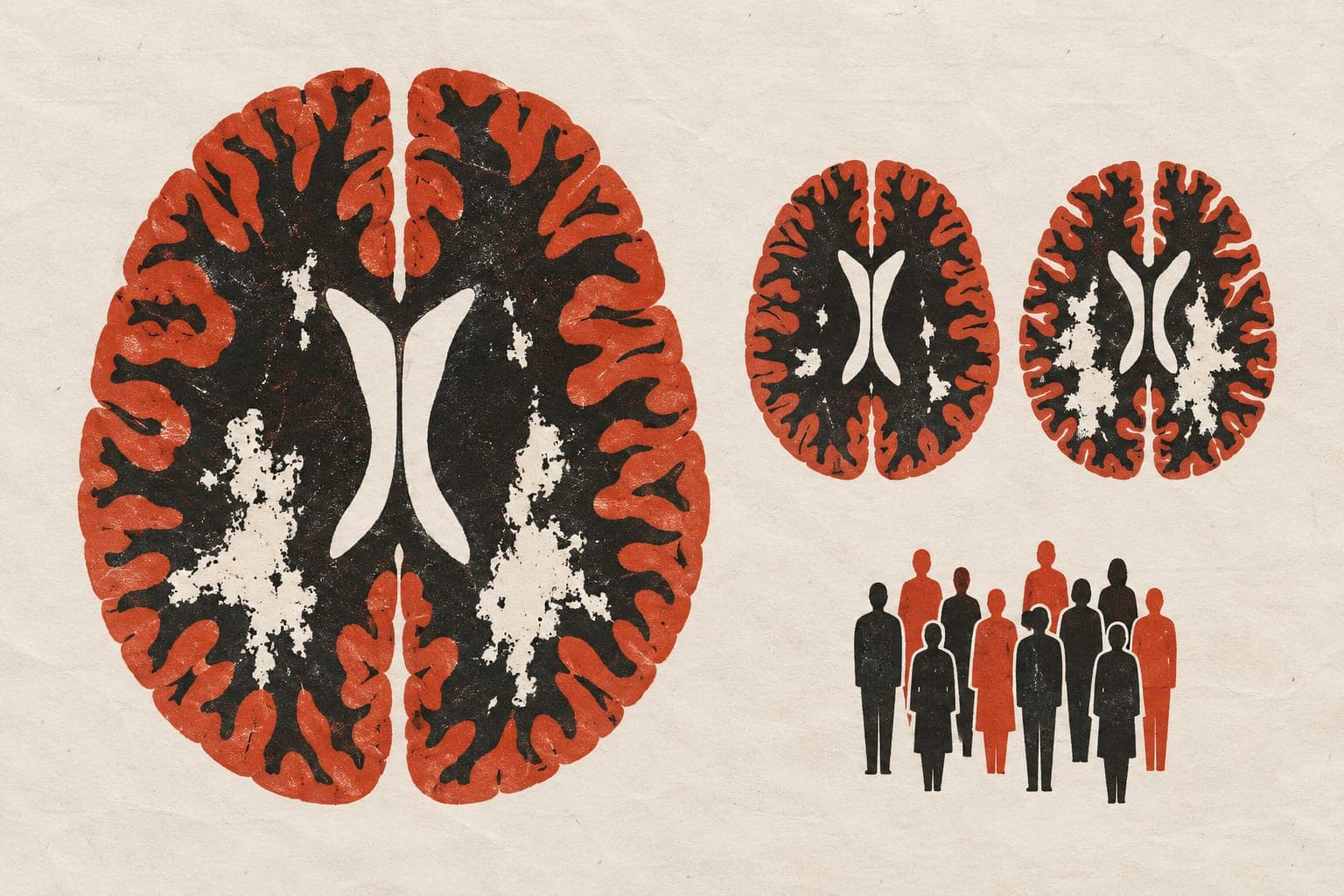
A randomised trial analysed 51 people with vascular mild cognitive impairment, mild thinking and memory difficulties linked to blood vessel problems. Participants received either 2,400 mg of N-acetylcysteine daily or a placebo, alongside exercise, for six months. Researchers used magnetic resonance imaging to measure bright areas in the brain’s white matter, tissue connecting brain regions. They assessed behavioural and psychological symptoms with a checklist at the start, three months and six months.
Lower starting volumes of these bright areas, both in frontal brain regions and across the brain, were associated with greater symptom reductions in the N-acetylcysteine-plus-exercise group. Improvements in apathy, a lack of motivation, accounted for this effect.
Why it matters
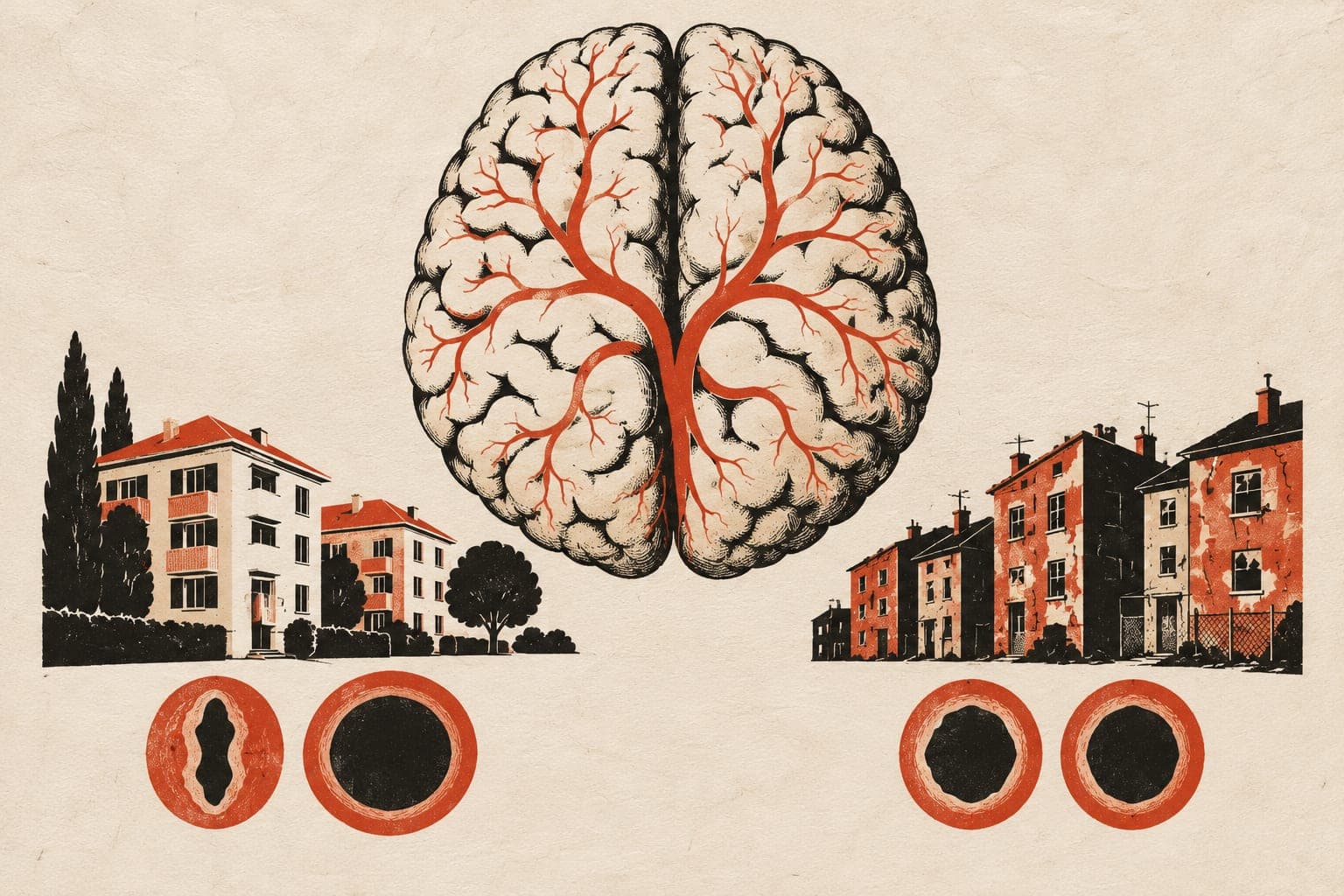
Thinking and memory difficulties are a concern in aging. The authors said the findings support improving care for risk factors affecting the brain’s blood vessels.
Caveats
The brain scan association does not show that reducing these bright areas would improve symptoms. The analysis included 51 participants, and researchers assessed symptoms with a checklist.
The paper
Show 13 more authors
Fuqiang Gao, Joel Ramirez, Zahinoor Ismail, Sandra E Black, Xingshan Cao, Nathan Herrmann, Susan Marzolini, Paul Oh, Jinghan Jenny Chen, Kate Survilla, Walter Swardfager, Danielle Vieira, Mark J Rapoport,Sunnybrook Research Institute
Journal of Alzheimer's Disease · 7 Oct 2026