Frailty and lung measures help assess risk in lung-scarring disease
Frailty was associated with higher risk of death or sudden worsening compared with being below the frailty threshold (hazard ratio 3.94).
Limit: Risk estimates relied on only 35 patients who died or had sudden disease worsening
Edited by Boris Djordjevic · AgingResearch.News
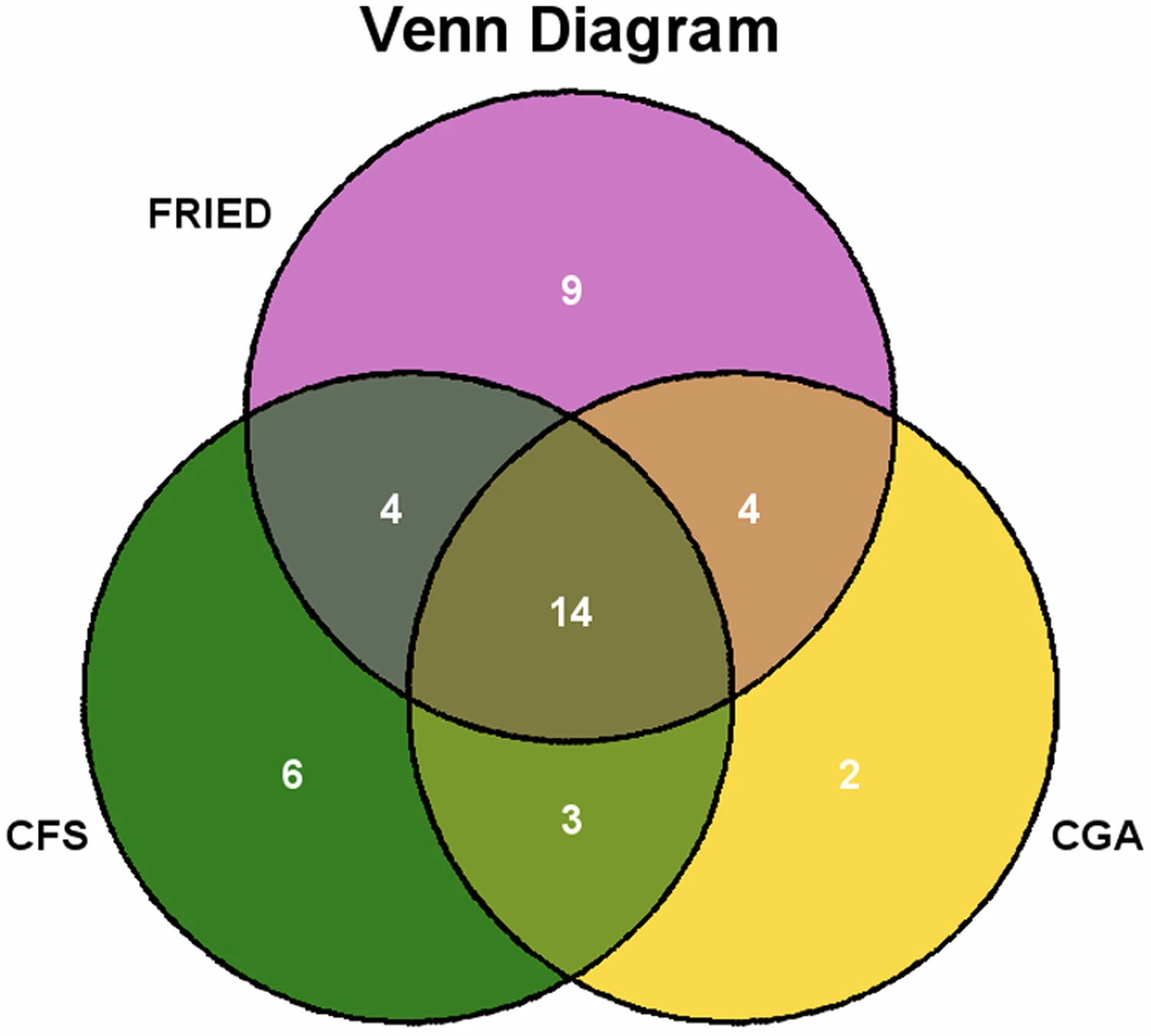
In a prospective cohort study, researchers followed 140 adults aged 65 or older with confirmed idiopathic pulmonary fibrosis, a lung-scarring disease. At one center, they assessed frailty using three tools and combined it with a measure of respiratory disease severity.
Over a median 465 days, 35 patients (25.0%) died or had sudden disease worsening. The Clinical Frailty Scale classified 19.3% as frail. Frailty on this scale and more severe lung disease were independently associated with the combined outcome. The combined model scored 0.72 on a measure of how well it ranked patients by risk. The authors concluded that combining frailty and lung measures improved risk assessment and supported personalized care addressing multiple aspects of health.
Why it matters
Idiopathic pulmonary fibrosis mainly affects older adults. The work addresses whether assessing broader vulnerability alongside lung function can help guide their care.
Caveats
This observational study identified associations, not effects of changing frailty. Its findings came from adults aged 65 or older with confirmed idiopathic pulmonary fibrosis at one center, limiting generalization to other populations.
- Idiopathic pulmonary fibrosis
- Clinical Frailty Scale
- Acute exacerbation
- Comprehensive Geriatric Assessment–Frailty Index
- Fried frailty phenotype
- Humans
The paper
University of Milano-Bicocca
Archivos de Bronconeumologia, Aug 13, 2026


